



Picatinny Rail Accessories Manufacturer
As a specialized Picatinny rail accessories manufacturer, we design, engineer, and produce a complete ecosystem of MIL-STD-1913 compatible accessories built for defense procurement programs, institutional deployment, and law enforcement modernization initiatives. At Key-Arma, Picatinny rail accessory manufacturing is not about producing aftermarket components for retail distribution. It is about delivering dimensional precision, verified structural performance, and cross-platform mounting compatibility that meets the expectations of defense contractors, system integrators, and government procurement bodies operating at scale.
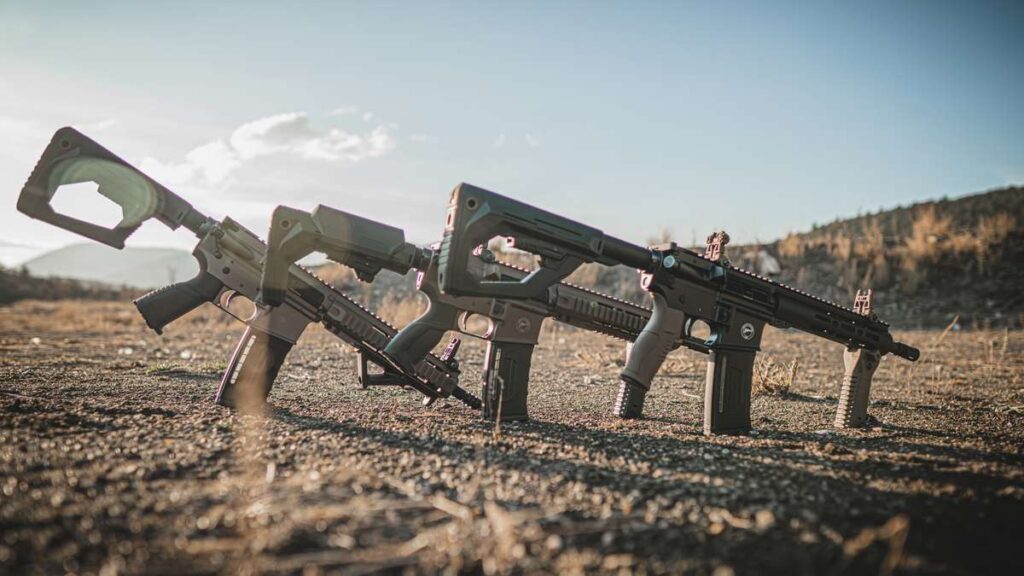
Our manufacturing model is structured exclusively for OEM and B2B cooperation. We do not produce for consumer retail or direct-to-shooter distribution. Every Picatinny rail accessory we manufacture is designed, validated, and produced for organizations that require documented quality assurance, batch-level traceability, and the ability to source consistent components across multi-year weapon system programs. Our Picatinny accessory product range covers foregrips, handguards, rail sections, optic mounts, sling attachment points, light mounts, and platform-specific integration kits for both AR-15 and AK weapon families.
Understanding the Picatinny Rail Standard (MIL-STD-1913)
The Picatinny rail, formally designated as MIL-STD-1913, is the dominant accessory mounting interface in modern military and law enforcement weapon systems. Originally developed at the Picatinny Arsenal in the early 1990s, the standard defines a series of transverse slots machined into a raised rail surface at precise intervals. Accessories attach to the rail via cross-bolts, clamp mechanisms, or lever-lock systems that engage these slots, creating a secure, repeatable mounting interface that withstands recoil forces, operational vibration, and environmental exposure.
The Picatinny standard specifies exact dimensional parameters for slot width, slot depth, slot spacing (center-to-center), and rail width. These specifications ensure that any accessory manufactured to MIL-STD-1913 compliance will mount securely on any Picatinny rail surface from any manufacturer. This interoperability is the foundation of the standard’s enduring dominance in military accessory systems. For institutional buyers, it means that accessories sourced from one qualified manufacturer will integrate seamlessly with rail platforms produced by another, enabling flexible procurement strategies without compatibility risk.
Despite the growth of newer mounting systems such as M-LOK and KeyMod, the Picatinny rail remains the primary interface for optics, aiming devices, weapon-mounted lights, laser designators, and other accessories where return-to-zero repeatability, maximum clamping force, and universal compatibility are non-negotiable. The rail’s robust mechanical engagement makes it uniquely suited for accessories that must maintain precise alignment under sustained recoil loading, a requirement that lighter-duty mounting interfaces cannot consistently satisfy.
Picatinny Rail Accessory Ecosystem
We manufacture a comprehensive ecosystem of Picatinny rail compatible accessories designed to address the primary functional requirements of modern weapon configurations. Each accessory category is engineered to deliver precise Picatinny slot engagement, secure lockup under operational loads, and reliable performance across the environmental and mechanical demands of military, law enforcement, and security operations.
Picatinny Rail Foregrips
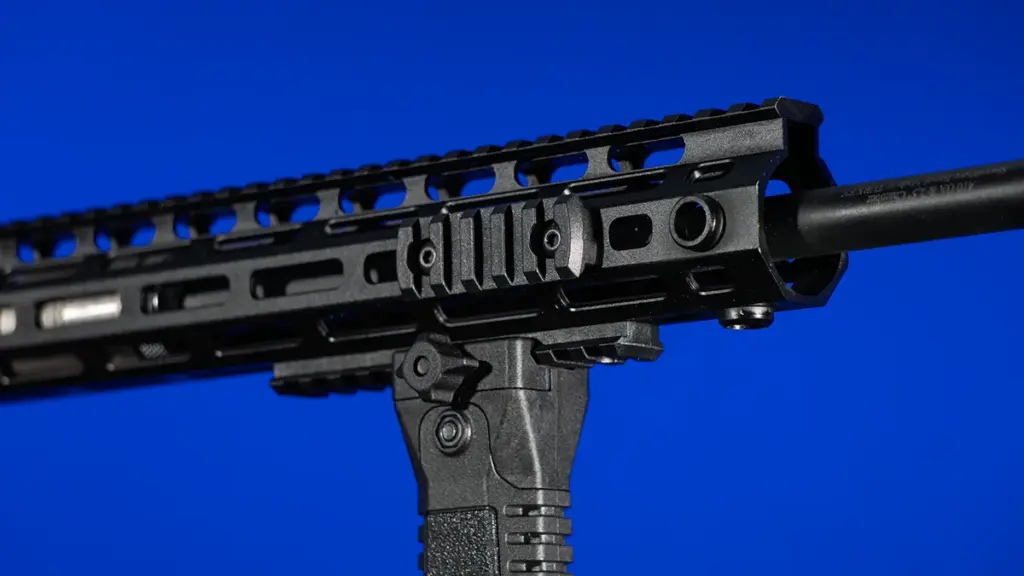
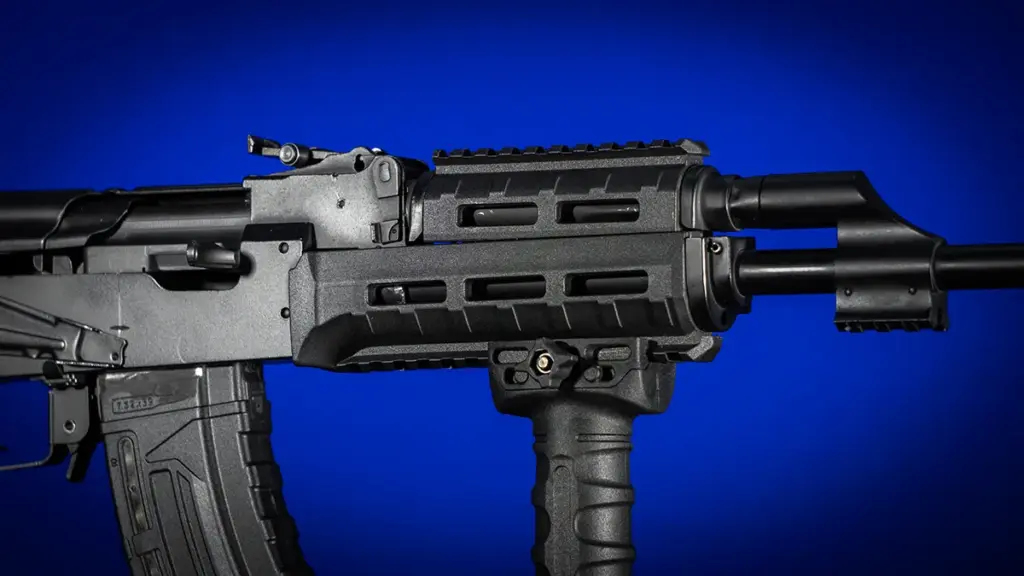
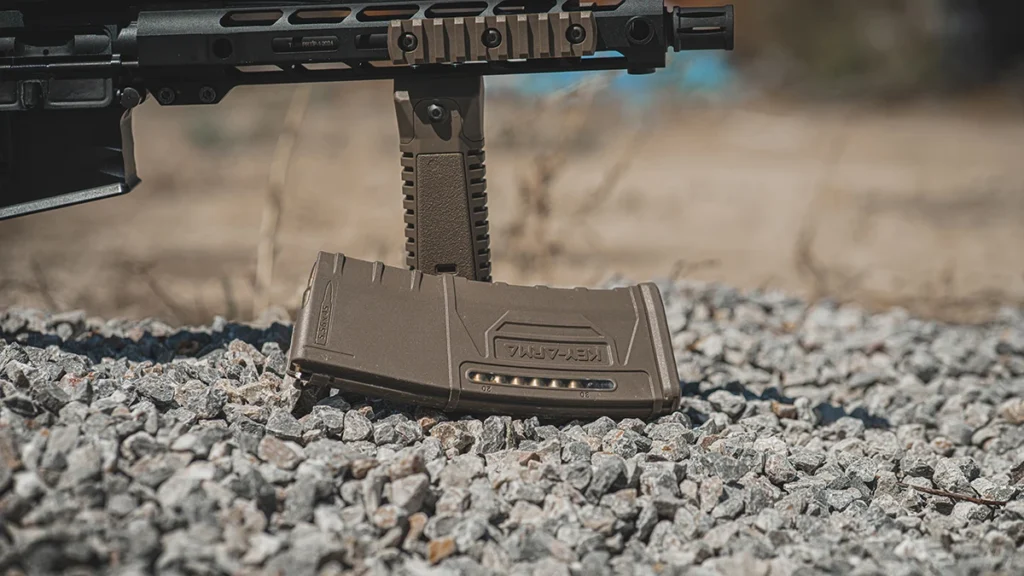
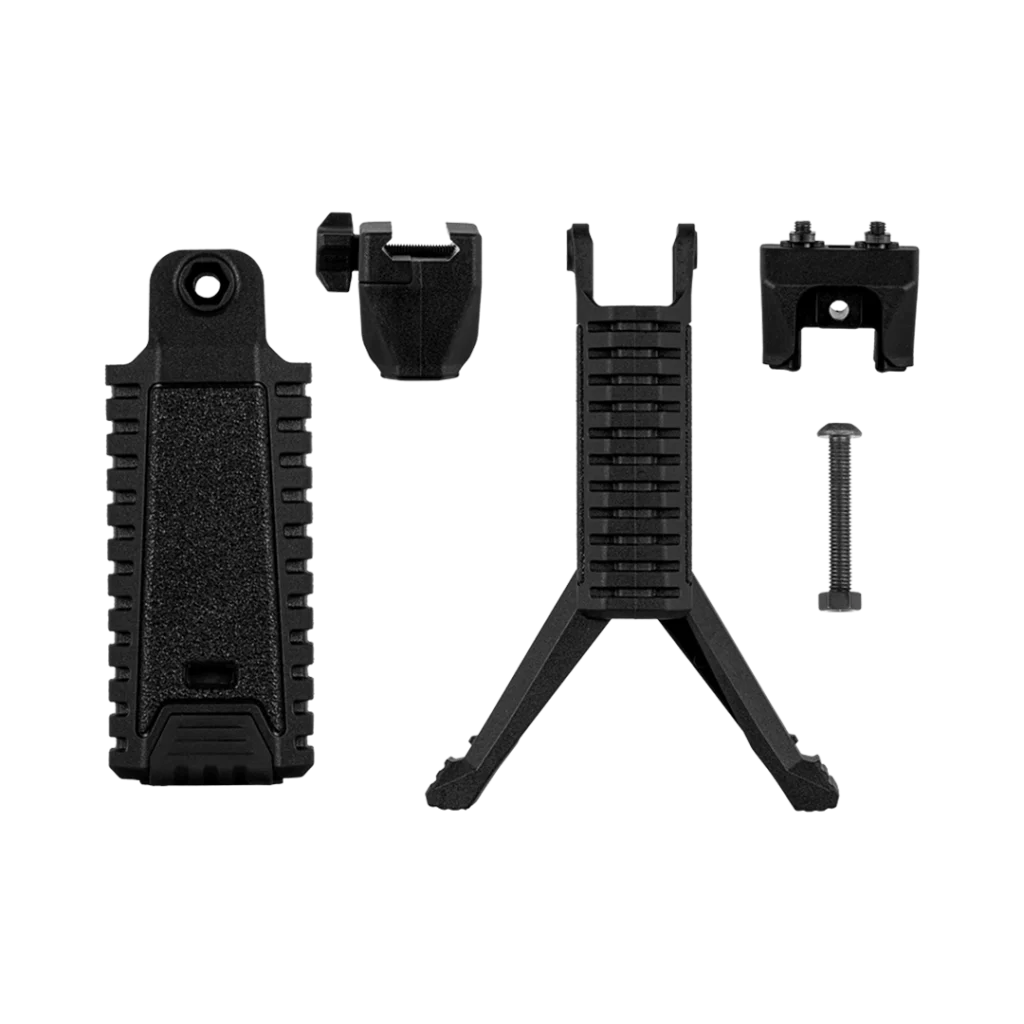
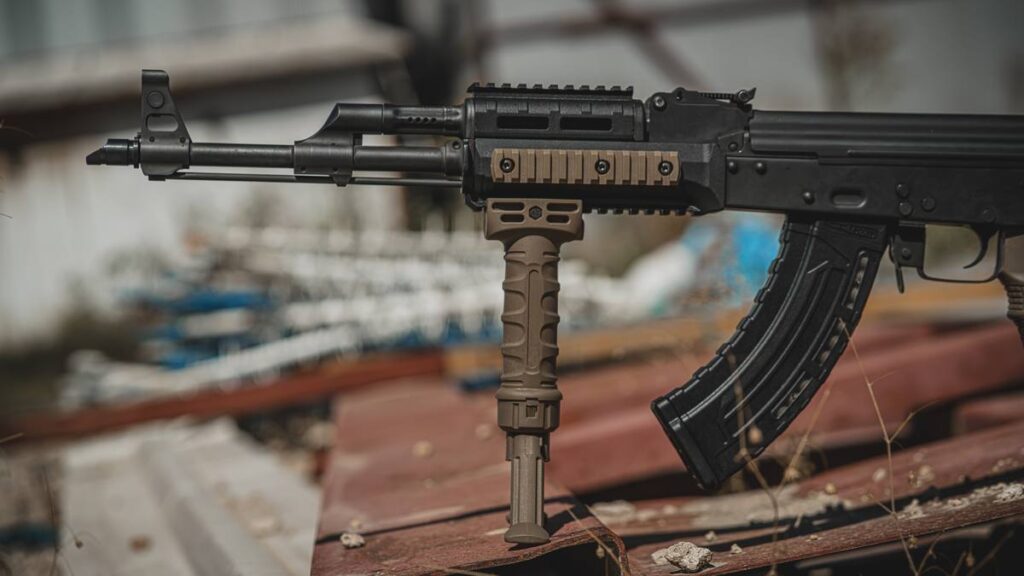
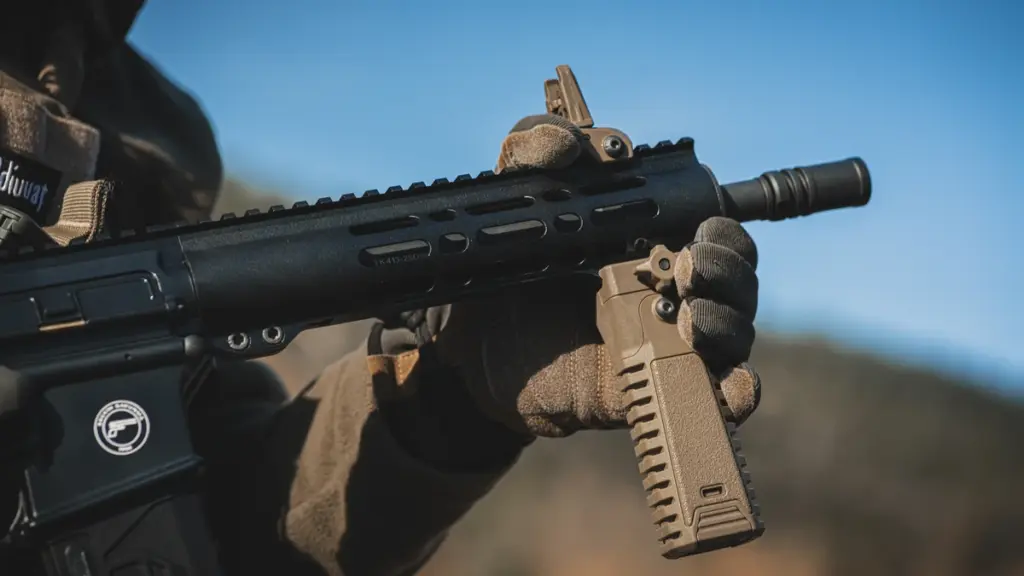
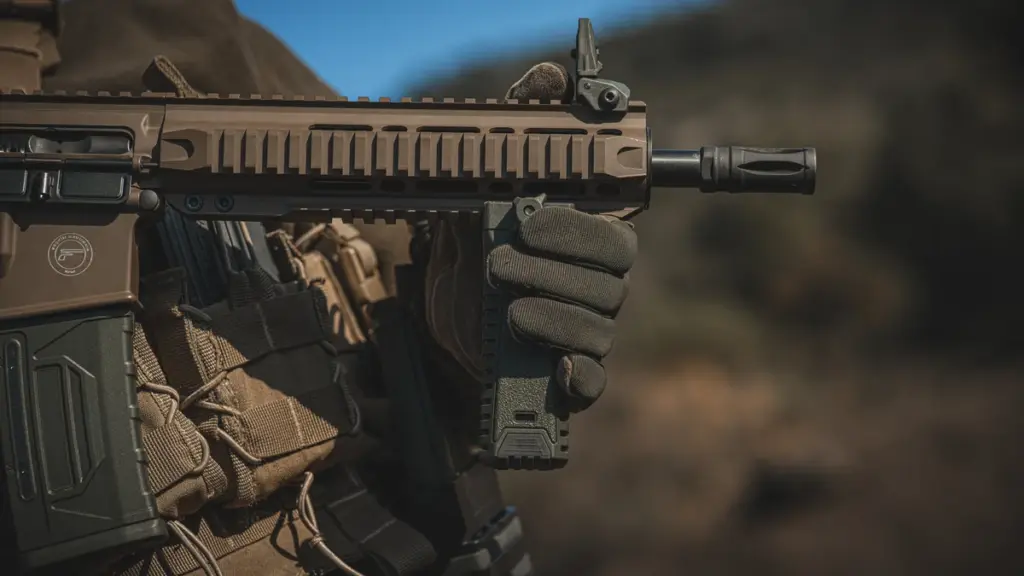
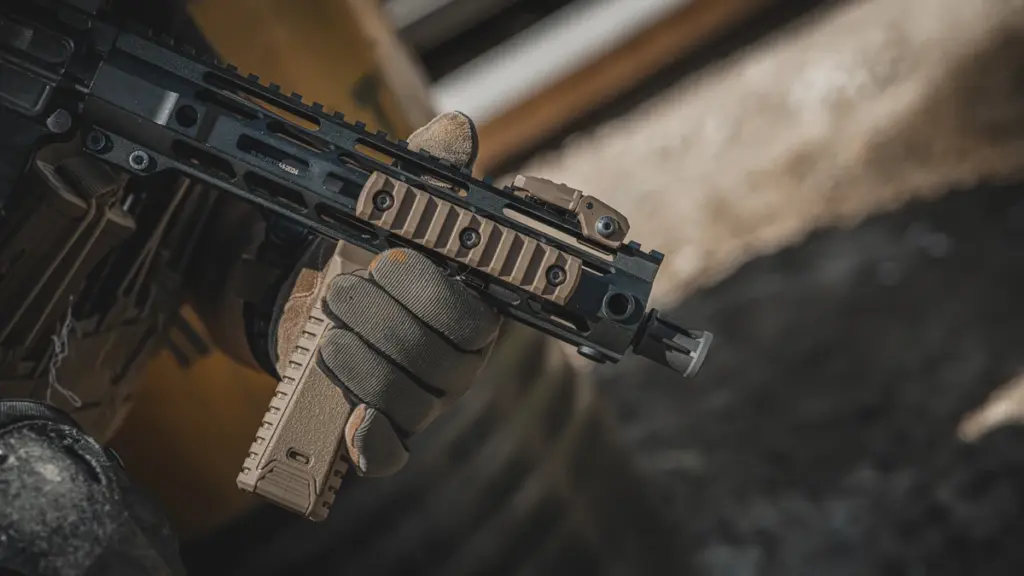
Our foregrip line includes vertical and angled configurations with integrated Picatinny rail mounting interfaces. Each foregrip model provides a direct-attach connection to MIL-STD-1913 rail surfaces via cross-bolt or clamp mounting mechanisms. The mounting interface is precision-engineered to match Picatinny slot geometry within controlled tolerances, ensuring secure lockup without lateral play, rotation, or loosening under sustained recoil and operational vibration. Ergonomic contouring is optimized for institutional applications where operators spend extended periods in ready positions, patrol configurations, or vehicle-mounted orientations.
Rail Sections and Mounting Interfaces
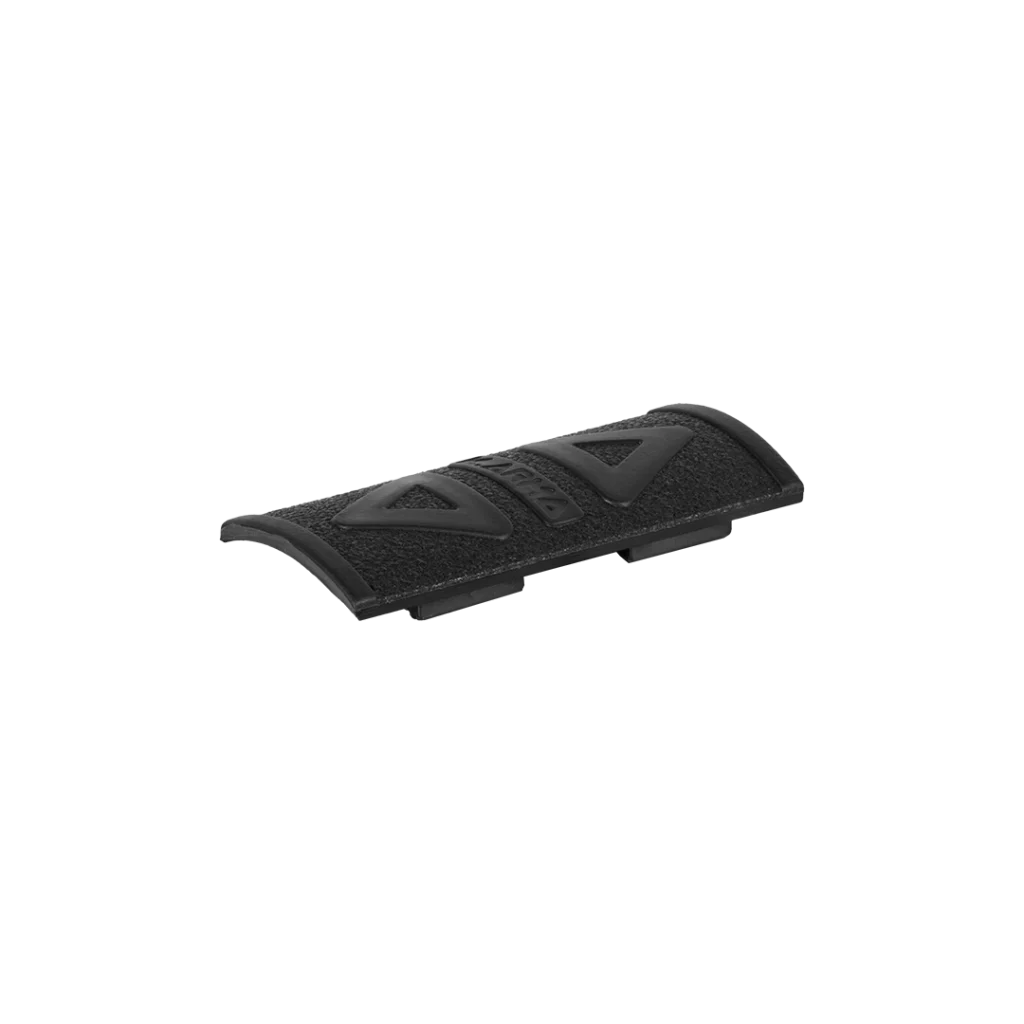
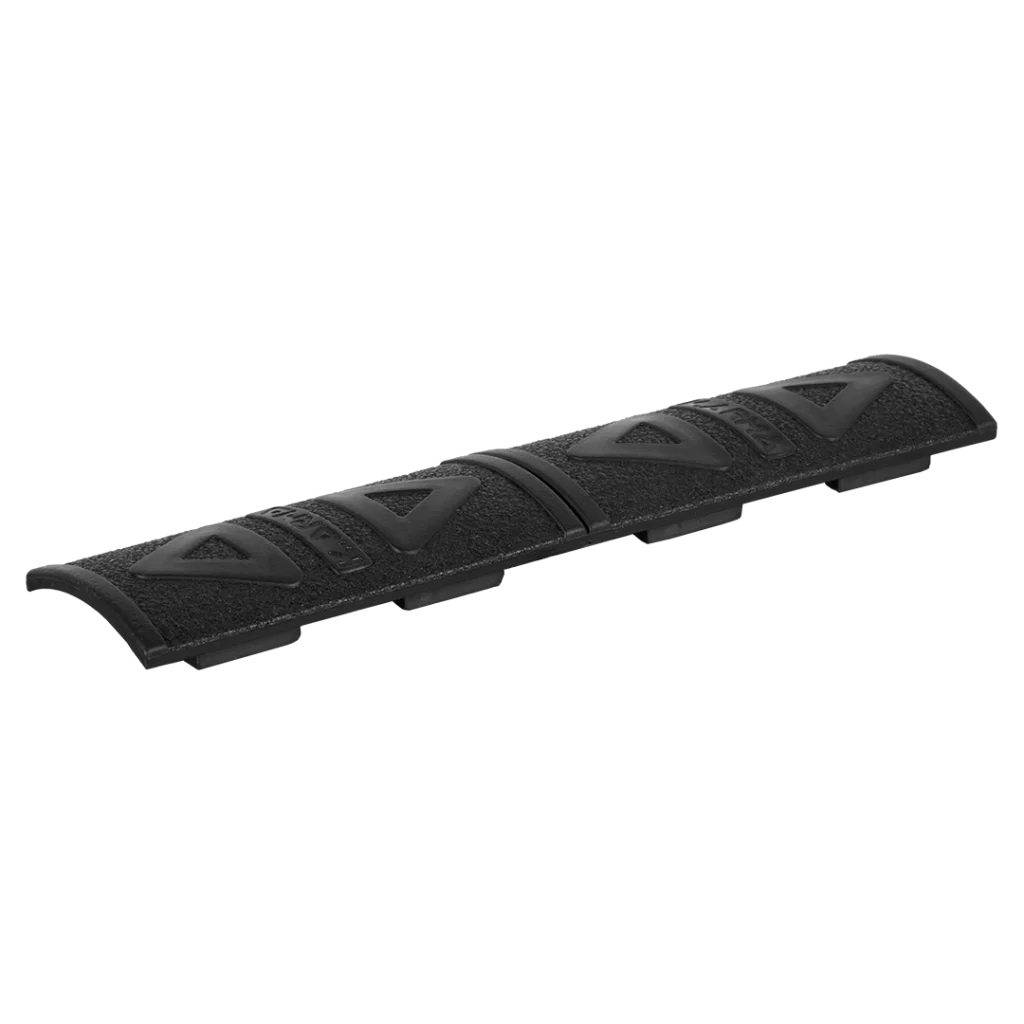
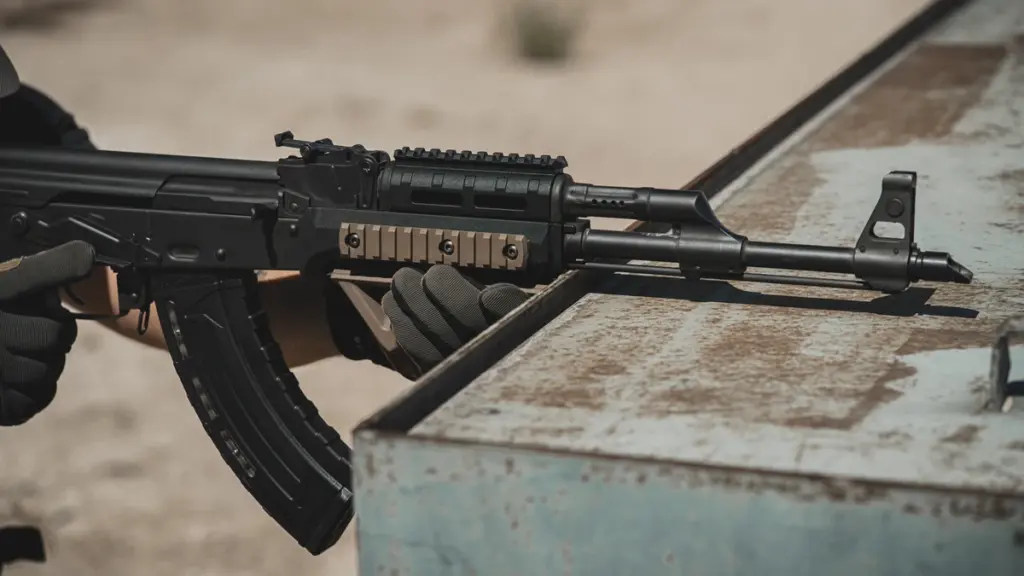
Picatinny rail sections serve as the structural backbone for modular weapon accessory configurations. We produce standalone rail sections, handguard-integrated rail segments, and adapter sections that enable Picatinny accessory mounting on platforms originally designed for other interface standards. Our rail sections are manufactured to deliver consistent slot dimensions across production batches, ensuring that any MIL-STD-1913 compliant accessory achieves proper engagement and secure lockup when installed. Slot spacing, depth, and width are controlled to the dimensional standards defined in the Picatinny specification, providing predictable accessory positioning across single-slot and multi-slot mounting footprints.
Optic Mounts and Sight Systems
Optic mounting is one of the most demanding applications for Picatinny rail accessories because it requires absolute return-to-zero performance after removal and reinstallation. We produce optic mount bases, riser blocks, and cantilever mounts designed to deliver consistent clamping force distribution across the Picatinny rail surface. Our sight and optic mounting solutions are engineered for the specific requirements of red dot sights, magnified optics, and night vision devices, each demanding different mounting heights, eye relief considerations, and load profiles.
Light Mounts and Sling Attachments
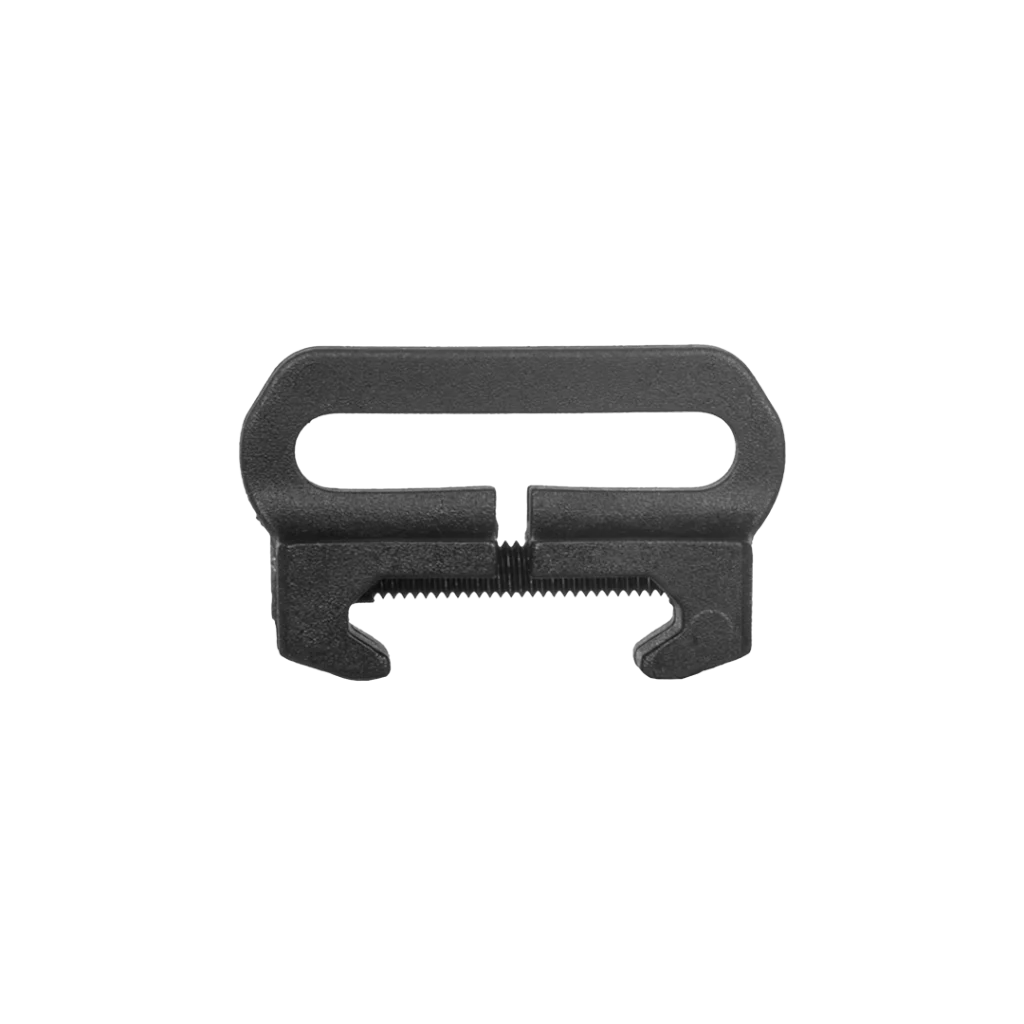
Weapon-mounted lights and sling attachment points are essential functional requirements for any institutional weapon configuration. We produce Picatinny-compatible light mount interfaces designed for industry-standard tactical light bodies, as well as sling attachment points engineered for both loop-through hardware and quick-detach swivel systems. Each mounting accessory is built to handle the dynamic loads associated with tactical movement, vehicle operations, and weapon transitions without loosening, rotating, or developing play at the rail interface.
Cross-Platform Picatinny Integration: AR-15 and AK
The Picatinny rail standard is platform-agnostic by design. The rail geometry and slot dimensions are identical regardless of the host weapon system, which means accessories manufactured to MIL-STD-1913 can be deployed across different platforms without modification. We leverage this cross-platform compatibility by producing Picatinny accessories that serve both AR-15 and AK platform configurations within a unified product ecosystem.
AR-15 Picatinny Integration
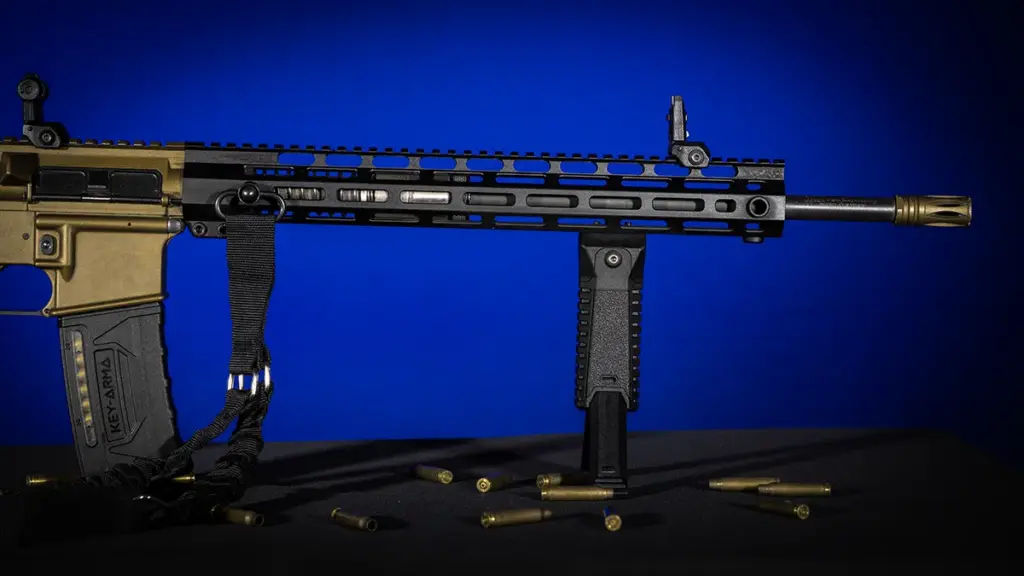
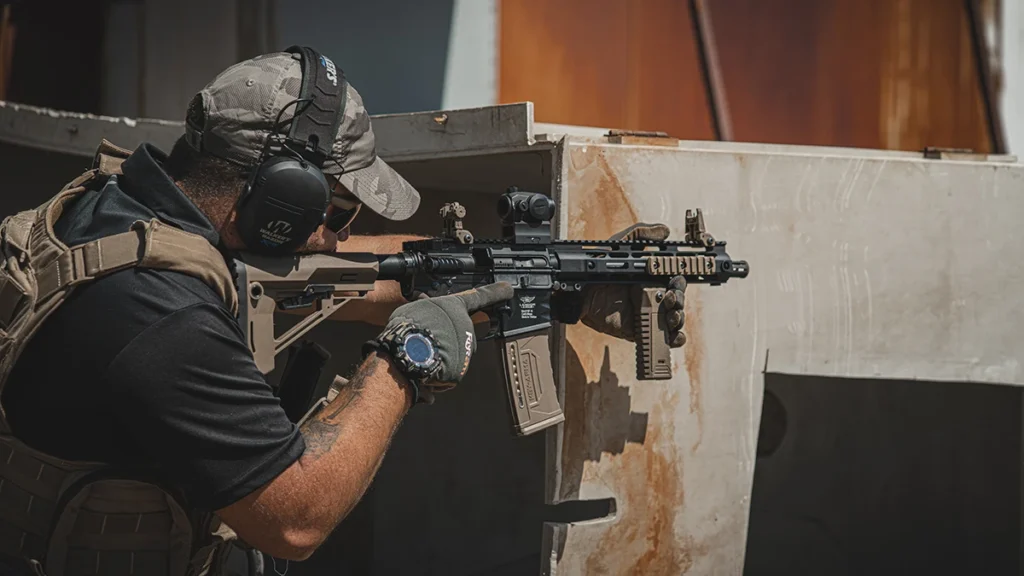
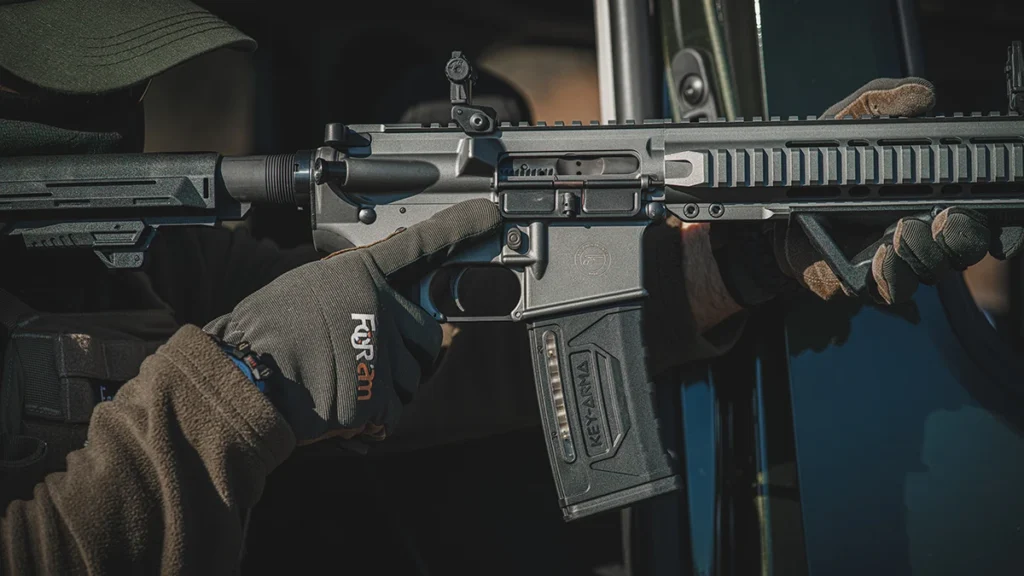
The AR-15 platform has long been the primary vehicle for Picatinny rail adoption. Flat-top upper receivers with integrated Picatinny rail surfaces are the standard configuration for modern AR-15 builds, and handguard systems with Picatinny rail segments remain widely deployed across military and law enforcement inventories worldwide. Our Picatinny foregrips, rail sections, optic mounts, and accessory interfaces are fully compatible with AR-15 Picatinny rail surfaces across the industry. For institutional buyers managing AR-15 fleets, our accessories integrate directly into existing rail configurations without adapter requirements, additional hardware, or modification to the host weapon.
AK Platform Picatinny Integration
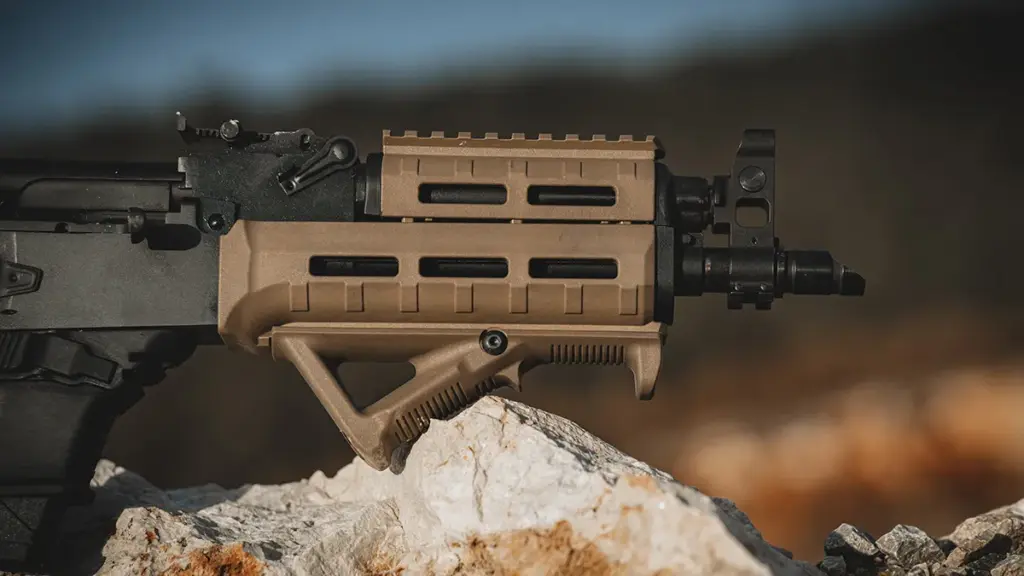
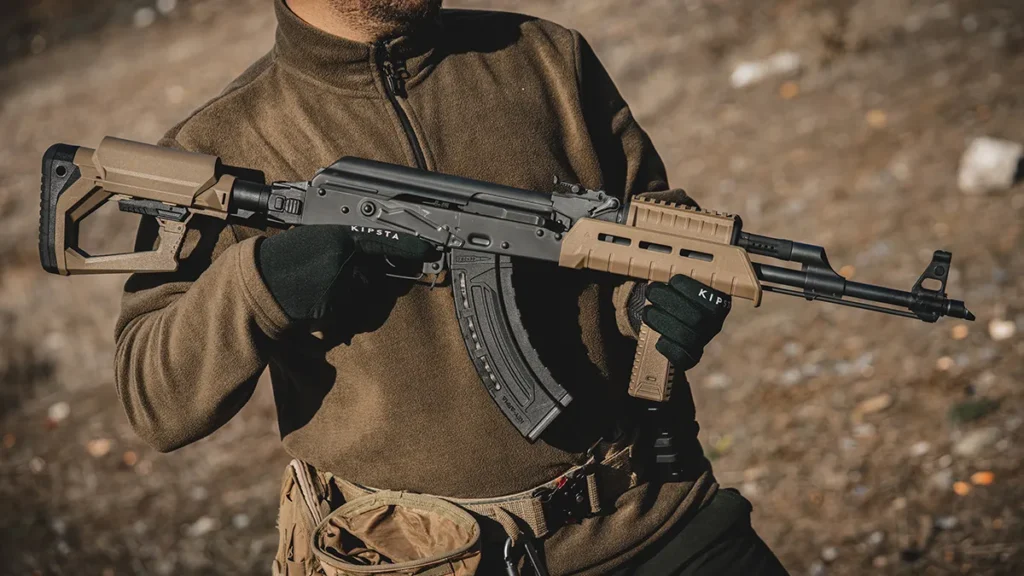
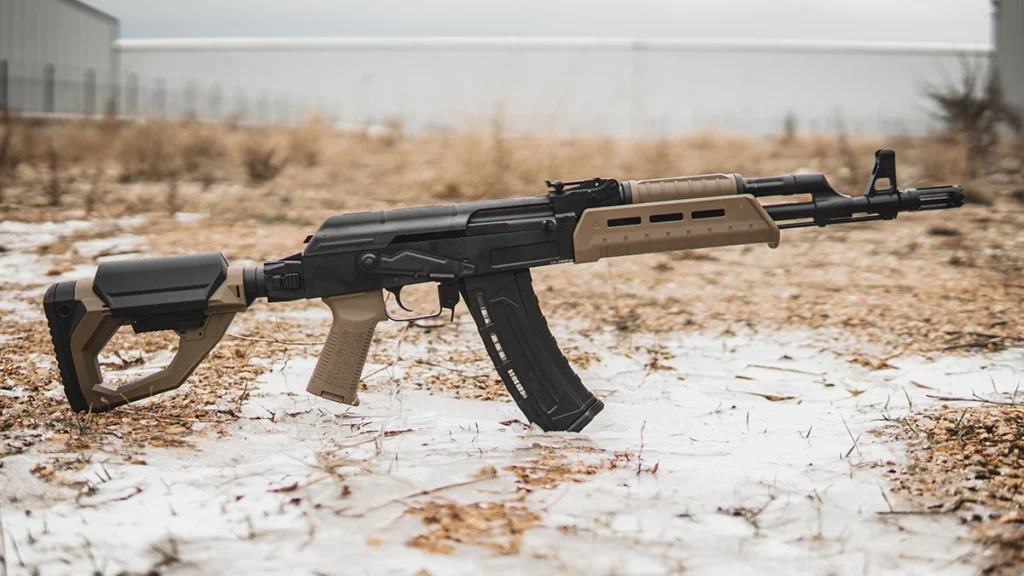
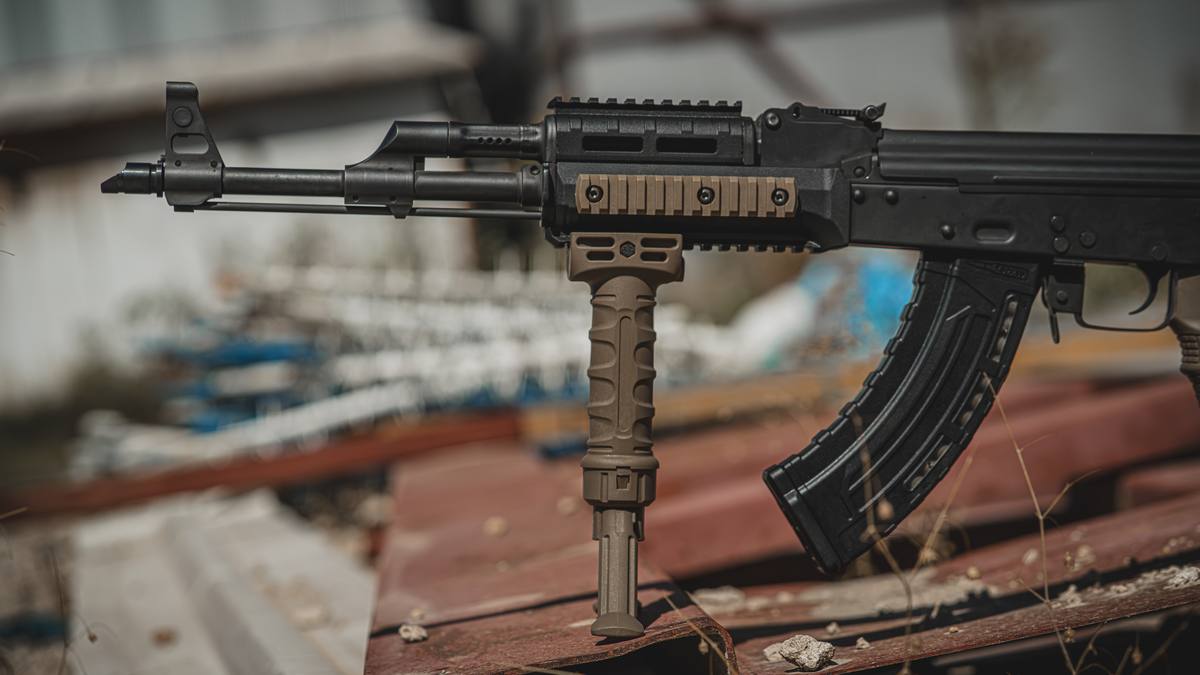
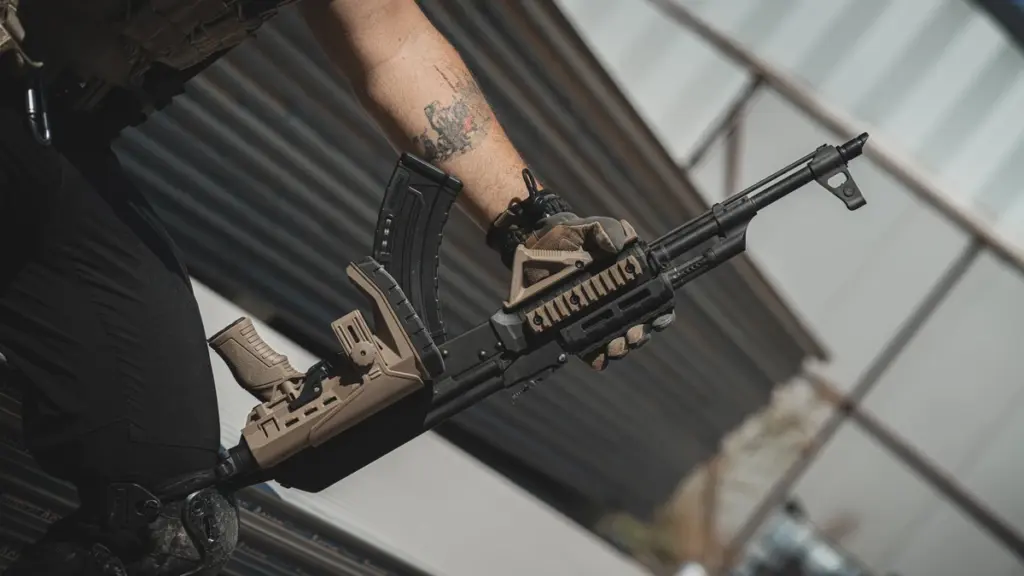
The AK platform has increasingly adopted Picatinny rail interfaces through modernized dust covers, side-mount brackets, and replacement handguard systems that incorporate MIL-STD-1913 rail surfaces. Our Picatinny accessory range is fully compatible with AK-platform Picatinny rail systems, enabling institutional users to standardize their accessory inventory across mixed AR and AK weapon fleets. This cross-platform standardization reduces SKU counts, simplifies logistics, and allows procurement teams to source a single accessory inventory that serves multiple weapon platforms from a single qualified manufacturer.
Manufacturing Precision for Picatinny Slot Tolerances
The Picatinny rail mounting system depends fundamentally on dimensional precision. The interface between the accessory clamping mechanism and the rail slot must fall within defined tolerance windows to achieve secure engagement, consistent clamping force, and reliable return-to-zero performance for mounted optics and aiming devices. Manufacturing Picatinny rail accessories to the required precision standard demands controlled processes from raw material through finished component.
Slot Geometry and Dimensional Control
The cross-bolt or clamp lug on each Picatinny accessory must match the rail slot geometry precisely. Slot engagement width, depth, and the cross-bolt interface dimensions are all critical parameters that determine whether the accessory will engage the rail properly, lock securely, and resist loosening under vibration, recoil forces, and temperature cycling. We control these dimensions through precision CNC machining, in-process measurement, and statistical process monitoring. Every production batch is validated against reference rail gauges to confirm proper engagement characteristics before accessories are released for shipment.
Surface Finish and Clamping Interface Quality
The contact surfaces between the accessory clamp and the Picatinny rail must deliver consistent friction characteristics to ensure reliable clamping force at specified torque values. Surface finish on our Picatinny mounting interfaces is controlled to specified roughness parameters that balance smooth installation with secure retention. Burr-free edges prevent material interference during installation and removal cycles. Consistent surface quality across production batches ensures that torque specifications produce uniform clamping force regardless of which specific accessory and rail combination is used in the field.
Material Engineering for Picatinny Rail Accessories
Material selection for Picatinny rail accessories directly affects structural performance, weight characteristics, environmental durability, and long-term dimensional stability. Different accessory categories demand different material approaches based on their specific load profiles, precision requirements, and operational environments.
Reinforced Polymer Components
Foregrips, rail covers, hand stops, and non-load-critical mounting accessories are manufactured from fiber-reinforced polymer compounds formulated for high impact resistance, UV stability, and chemical resistance to cleaning solvents and lubricants. Reinforced polymer delivers an excellent strength-to-weight ratio for components that must withstand daily handling, field impacts, and temperature extremes without dimensional change or structural degradation. Our polymer formulations are validated across the full operational temperature range from arctic conditions to desert environments, ensuring consistent performance regardless of deployment geography.
Aluminum Alloy and Metal Components
Optic mounts, rail sections, riser blocks, light mounts, and structural mounting interfaces that sustain concentrated mechanical loads are manufactured from aerospace-grade aluminum alloys. These components require higher strength, stiffness, and fatigue resistance than polymer alternatives can provide. Our metal Picatinny components are precision-machined from billet or forged aluminum stock, anodized for corrosion and wear protection, and dimensionally verified to ensure consistent rail engagement across production runs. For components requiring maximum clamping force and return-to-zero performance, such as optic mounts, metal construction is essential for maintaining the mechanical rigidity the application demands.
OEM and Contract Manufacturing Capabilities
We serve as a contract manufacturing partner for organizations that require Picatinny rail accessories produced under their own brand identity or to program-specific configurations. Our OEM capabilities include private labeling, custom color and finish options, program-specific markings, modified feature sets, and custom mounting configurations aligned with partner technical requirements.
Technical alignment with OEM partners is established before production begins. We work through detailed specification review, acceptance criteria definition, material standard confirmation, and documentation format agreements during the pre-production phase. This front-loaded approach ensures that series production delivers components that meet partner requirements without integration surprises or post-delivery qualification issues.
Our production infrastructure supports both qualification-phase quantities and sustained high-volume series production. Whether an OEM partnership involves a single foregrip model or a complete Picatinny accessory suite covering foregrips, rail sections, optic mounts, and handguard components, we scale production capacity while maintaining consistent quality output and predictable delivery timelines. Tooling, material sourcing, and process workflows are designed for scalable throughput, allowing us to move from prototype through series production without compromising the dimensional and structural standards established during the qualification phase.
B2B-Focused Manufacturing and Procurement Model
Institutional procurement of Picatinny rail accessories involves requirements that extend well beyond product selection. The procurement decision must account for supply chain transparency, batch-level documentation, revision control, and the manufacturer’s ability to sustain consistent supply over the lifecycle of a defense or law enforcement program. We have structured our B2B manufacturing model to address these requirements from the ground up.
Institutional Procurement Process Support
We operate within procurement frameworks that include formal tenders, framework agreements, government-to-government supply contracts, and multi-year delivery schedules. Every production batch is accompanied by material certifications, dimensional inspection records, and full traceability documentation. Our B2B customers can integrate this documentation directly into their compliance and audit workflows without additional qualification overhead.
Program-Level Coordination
Picatinny rail accessories are typically procured as part of weapon system upgrade, modernization, or initial fielding programs. We coordinate production timing, documentation formats, packaging specifications, and logistics with system integrators and prime contractors to ensure that accessory supply aligns with the broader program timeline. Component delivery is managed as a program element integrated into the overall supply chain rather than as a standalone accessory purchase.
Cross-Platform Standardization for Mixed Fleets
Organizations operating mixed weapon fleets that include both AR-15 and AK platforms benefit significantly from Picatinny rail standardization. By sourcing Picatinny compatible accessories from a single manufacturer, procurement teams can consolidate their accessory supply chain, reduce vendor complexity, and maintain a unified inventory of mounting accessories that serves both weapon families. We support this standardization strategy by producing our full Picatinny accessory range with verified compatibility across both AR and AK rail platforms.
Framework Agreements and Long-Term Supply Continuity
Defense and law enforcement programs require the ability to procure identical components years after initial qualification. We maintain tooling, material specifications, and process documentation for our Picatinny product line so that repeat orders, even after significant time intervals, deliver the same fit, function, and quality baseline as the original qualification lot. For our B2B partners, this means program continuity without requalification cycles or specification drift.
Quality Control and Production Discipline
The performance and reliability of our Picatinny rail accessories depend directly on the quality control systems governing their production. We embed inspection and verification at every stage of the manufacturing process: incoming material verification, in-process dimensional checks during machining and molding, Picatinny interface geometry validation against MIL-STD-1913 reference standards, and finished-product functional testing on representative rail platforms.
Batch consistency is monitored continuously across production runs. Every batch is traceable from raw material receipt through processing, assembly, inspection, and final packaging. Quality records are maintained throughout the product lifecycle for reference, audit, and reorder purposes. Picatinny interface engagement is functionally tested on both AR-15 and AK rail platforms to verify cross-platform compatibility for every production lot. If your program requires specific acceptance testing protocols, enhanced inspection criteria, or third-party inspection access, we accommodate these requirements as part of our standard operating procedures.
Related Product Categories and Ecosystem
Our Picatinny rail accessory manufacturing is part of a comprehensive product ecosystem covering the key functional categories across both AR and AK weapon platforms. Explore related categories:
- Accessories: our complete tactical accessory range across all platforms
- Foregrips: vertical and angled foregrip configurations with Picatinny interfaces
- Handguards: Picatinny rail and handguard systems
- AR Upgrades: full AR-platform component catalog
- AK Upgrades: full AK-platform component catalog
- Buttstocks: tactical buttstock models
- Grips: ergonomic pistol grip solutions
- Buffer Tubes: Mil-Spec and Commercial-Spec receiver extensions
- Sights: iron sight and aiming solutions
- Magazines: full magazine product range
- Defense Industry: institutional and defense-oriented solutions




Why Choose Us as Your Picatinny Rail Accessories Manufacturer
Selecting a Picatinny rail accessories manufacturer for institutional programs requires confidence in manufacturing precision, MIL-STD-1913 compliance, cross-platform compatibility, and long-term supply reliability. We deliver Picatinny accessories engineered to the dimensional precision the standard demands, validated across both AR-15 and AK rail platforms, and produced under quality control systems designed for defense and law enforcement procurement requirements.
Our B2B partnership model is structured for the documentation, coordination, and supply continuity requirements of multi-year weapon system programs. If your organization is evaluating a capable Picatinny rail accessory manufacturing partner for current or upcoming programs, we are prepared to engage through technical review, sample evaluation, and formal qualification processes. Our commitment is to deliver components that perform as specified, on schedule, and with full traceability, for every order and every program year.
Gallery

Contact Us for OEM and B2B Cooperation
If you are sourcing a qualified Picatinny rail accessories manufacturer for OEM production, contract manufacturing, or institutional procurement, contact us with your requirements.
Email: [email protected]
Email: [email protected]
WhatsApp: +90 537 467 65 18
Phone: +90 332 500 00 84
Contact Page