



AR-15 Magazine Manufacturer
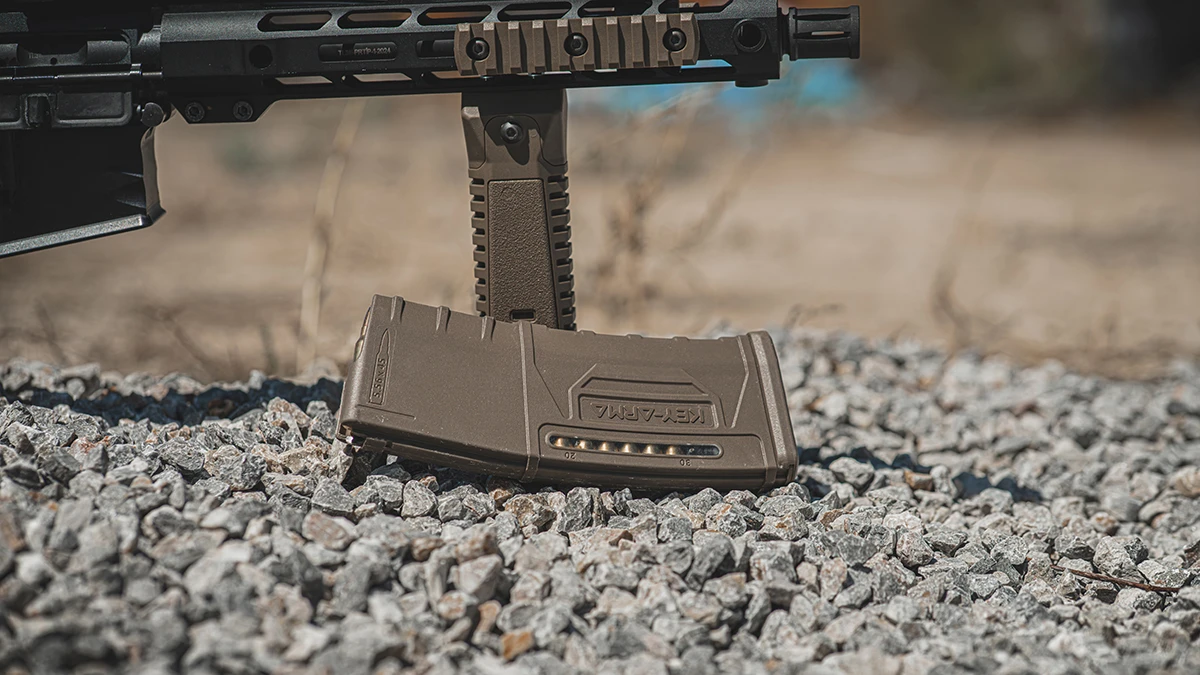
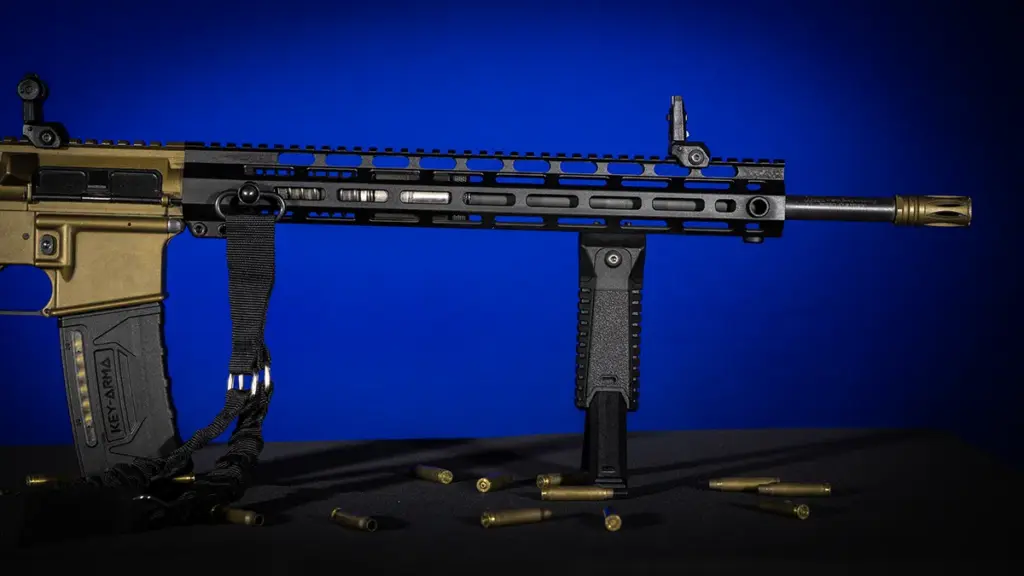
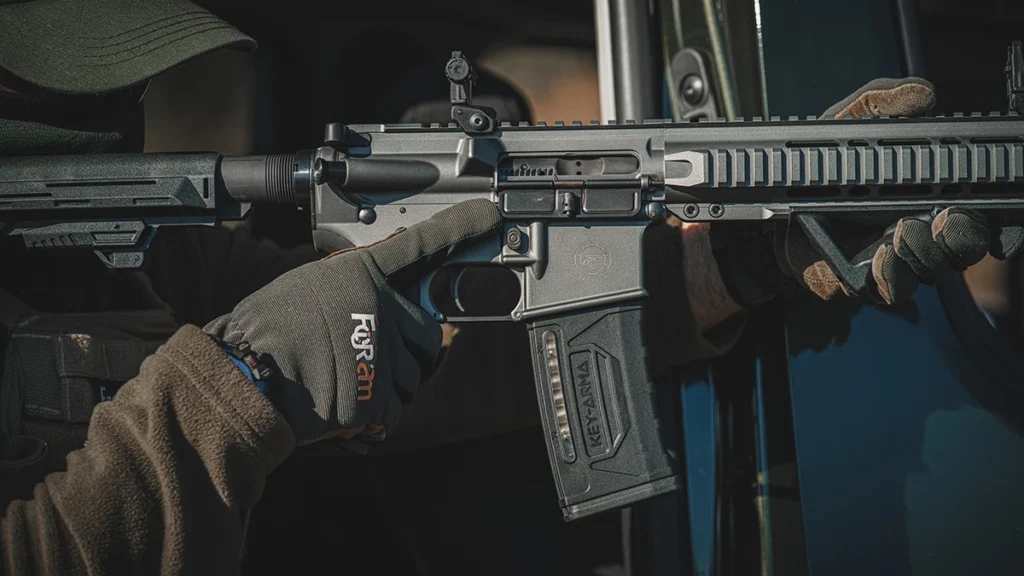
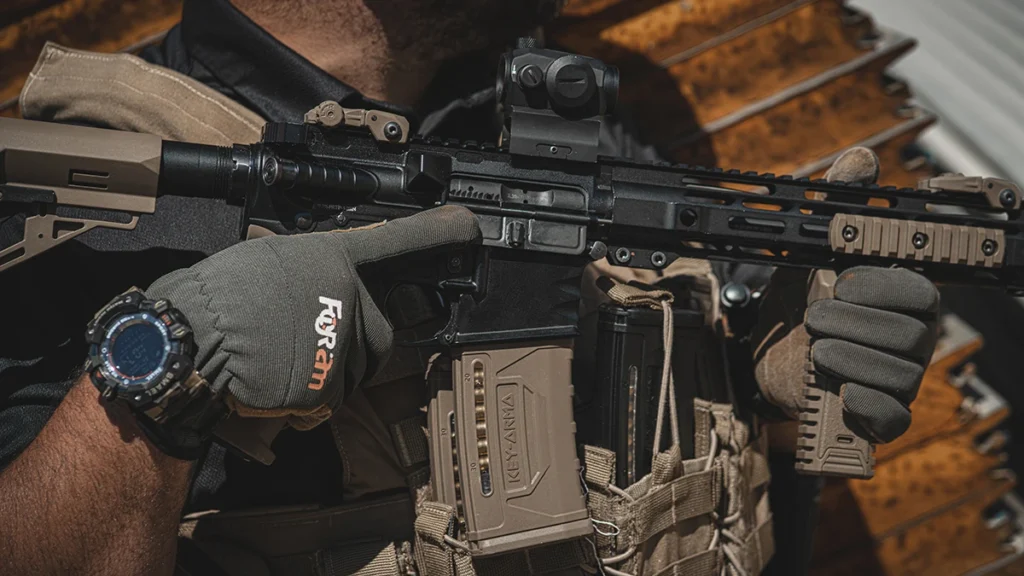
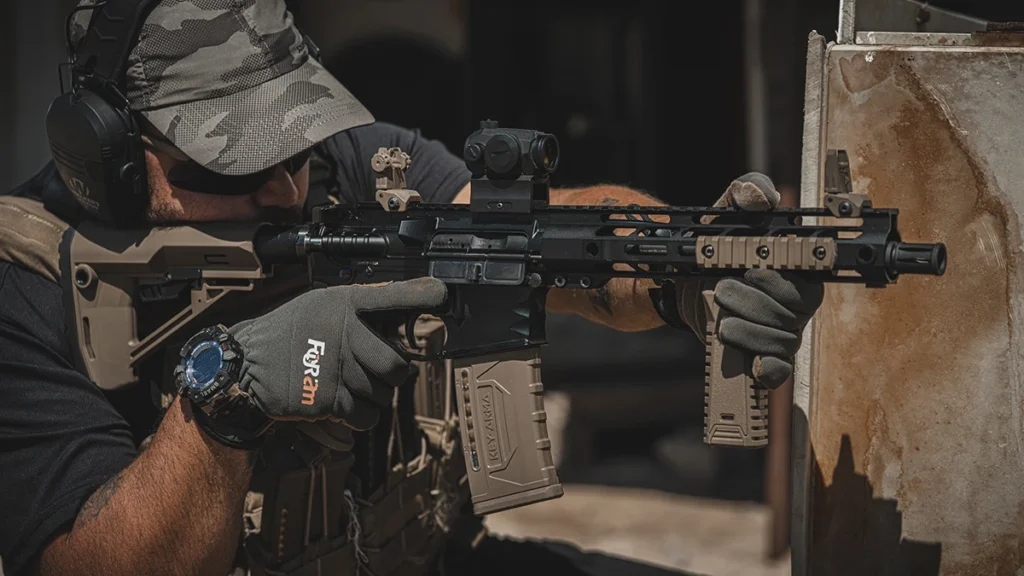
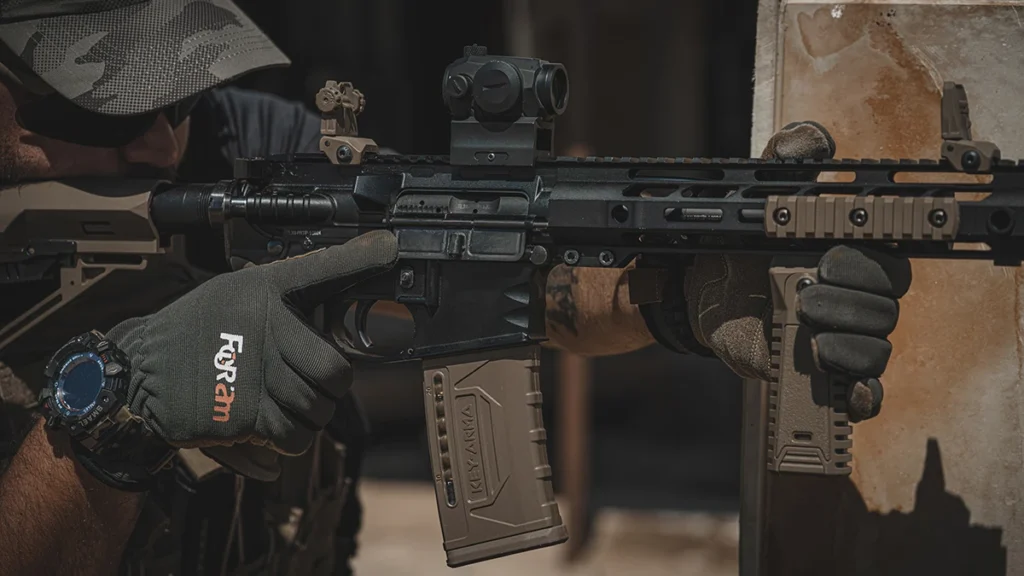
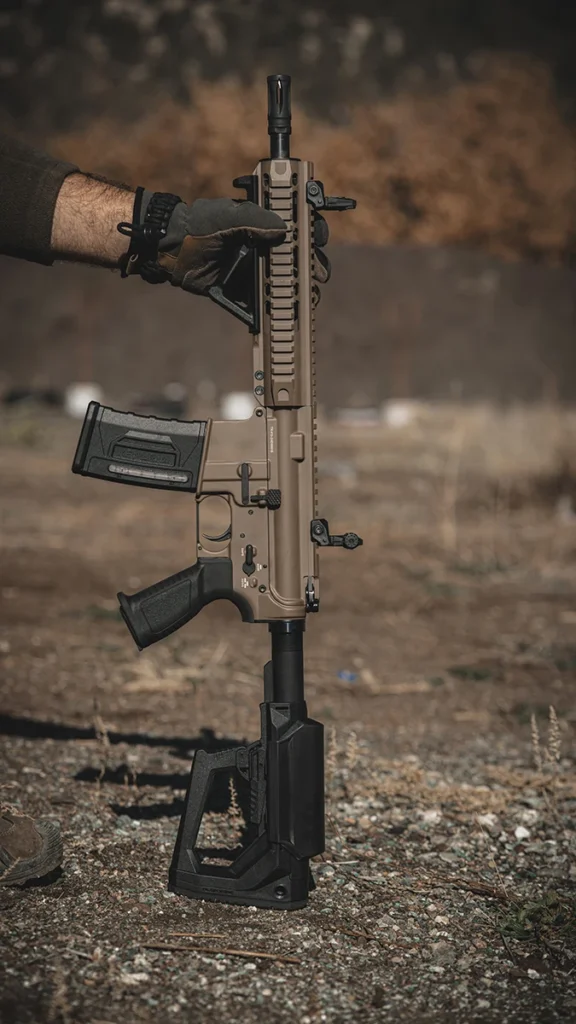
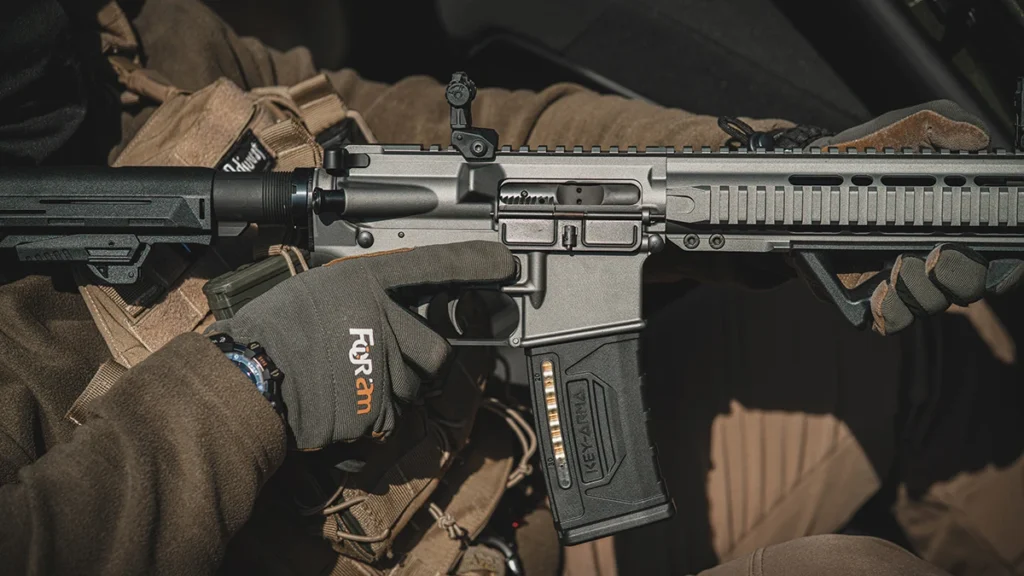
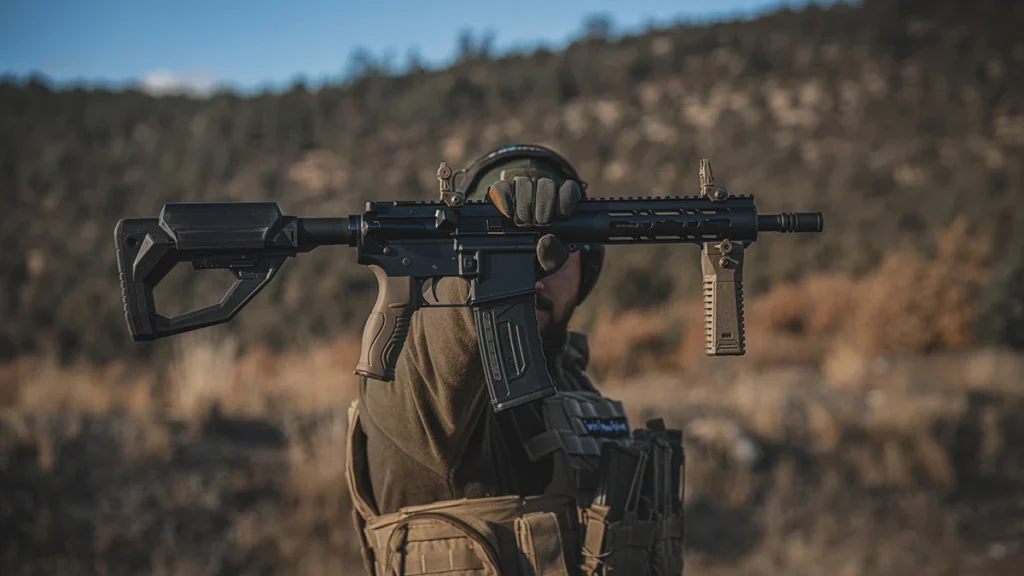
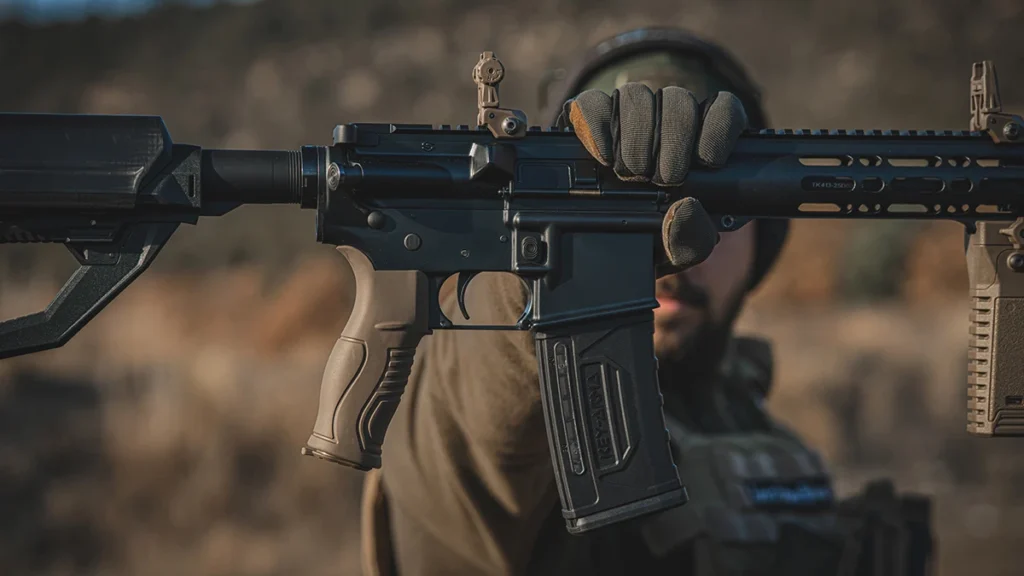
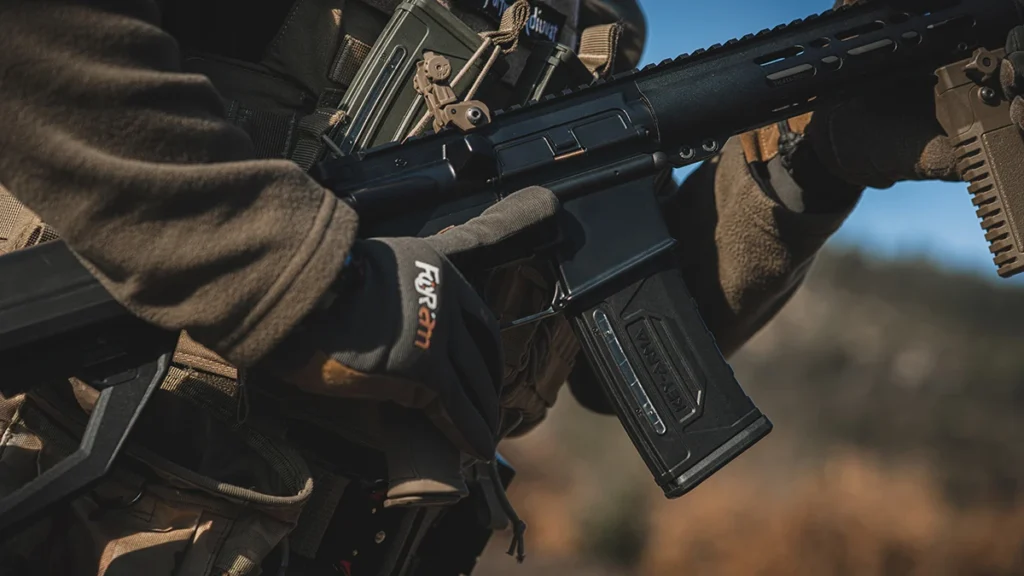
As an AR-15 magazine manufacturer, we produce feeding systems designed for the most widely deployed rifle platform in Western defense and law enforcement service. At Key-Arma, AR-15 magazine production is treated as a precision manufacturing discipline where feed geometry control, material consistency, and batch-level repeatability determine whether the product meets institutional standards or falls short under operational pressure.
Our production model is built exclusively for OEM and B2B cooperation. We do not supply retail channels or consumer markets. Every design decision, from polymer compound formulation to spring rate calibration, is driven by the requirements of defense contractors, system integrators, law enforcement procurement bodies, and OEM partners who need documented quality, traceability, and long-term supply stability.
Engineering Priorities for AR-15 Magazines
The AR-15 platform, including its military M4/M16 derivatives, depends on magazine reliability as a core system function. A magazine that feeds inconsistently under stress conditions is not just an inconvenience; it is a failure point that can compromise an entire weapon system. We engineer our AR-15 magazines to eliminate common failure modes before they reach the production floor.
Feed Lip Geometry and Cartridge Presentation
Reliable feeding begins with controlled feed lip geometry. We maintain tight dimensional tolerances on feed lip spacing and angle to ensure consistent cartridge presentation to the chamber, regardless of magazine fill level. The interaction between feed lips, follower profile, and internal body geometry is engineered as an integrated system. This systems-level approach reduces the incidence of nose-dive jams, double feeds, and bolt-over-base malfunctions that typically originate from poor magazine design rather than weapon deficiency.
Body Construction and Structural Integrity
AR-15 magazine bodies must resist deformation under impact, maintain internal dimensions across temperature ranges, and tolerate exposure to cleaning solvents and field lubricants without degradation. We use reinforced polymer compounds selected for this specific combination of requirements. Wall thickness, rib placement, and base plate interface are calibrated to prevent body flex under loaded conditions, which directly impacts cartridge stack alignment and follower travel consistency.
Spring Systems and Extended Service Life
Magazine spring degradation is a primary cause of feeding failures in extended institutional service. We use corrosion-resistant steel springs with controlled coil geometry, calibrated to maintain consistent upward force throughout the magazine’s operational life. Spring rate is matched to body length and cartridge stack height so that feeding pressure remains within the functional window from full capacity to the last round. This standard applies whether magazines are cycled frequently or stored loaded for extended periods.
AR-15 Magazine Product Scope and Related Categories
Our AR-15 magazine production covers standard-capacity and extended-capacity configurations for AR-platform weapon systems. To explore our broader magazine and accessory ecosystem:
- 5.56 Magazines: dedicated category for 5.56 NATO magazine variants
- Magazines: full magazine catalog across all calibers and platforms
- AR Upgrades: complete range of AR-platform upgrade components
- Accessories: full accessory range across all platforms
Consolidating magazine and accessory procurement with a single manufacturer reduces qualification overhead and simplifies supply chain management for institutional programs.


OEM and Contract Manufacturing Capabilities
We operate as an OEM manufacturing partner for organizations that need AR-15 magazines produced under their own branding. Our OEM capabilities include private labeling, program-specific markings, custom packaging configurations, and technical modifications aligned with customer specifications. Collaboration begins at the engineering stage: specifications, acceptance criteria, and documentation requirements are established before series production to eliminate integration risk.
Scalable Production for Institutional Volumes
Defense and law enforcement programs do not follow retail demand patterns. We structure our production capacity to support initial qualification quantities, sustained production runs, and surge requirements when urgent procurement needs arise. Production planning accounts for phased deliveries, multi-year framework agreements, and the reality that institutional customers need predictable lead times and consistent quality across every delivery.
B2B-Focused Manufacturing and Procurement Model
Institutional AR-15 magazine procurement operates within structured frameworks that demand more than product availability. The manufacturer must demonstrate traceability, documentation discipline, and willingness to operate within formal procurement processes. We have built these capabilities into our standard operating procedures.
Tender and Framework Agreement Compatibility
We support procurement structures that operate through competitive tenders, multi-year framework agreements, and government supply contracts. Batch-level traceability, material certifications, and production records are standard deliverables that accompany every shipment. This documentation allows B2B partners to integrate our AR-15 magazines into their compliance and audit workflows without additional qualification effort.
System Integrator and Prime Contractor Alignment
AR-15 magazines are rarely procured as standalone items in defense programs. They are part of a weapon system package, and the magazine manufacturer must align production schedules, documentation formats, and delivery logistics with the integrator’s program timeline. We maintain close coordination with system integrators and prime contractors to ensure that magazine supply supports the broader program without creating delivery bottlenecks.
Long-Term Supply Continuity
Defense programs require the capability to source the same magazine with identical specifications years after initial qualification. We maintain tooling, material specifications, and process documentation to ensure that repeat orders deliver products functionally and dimensionally identical to the original qualification batch. This approach provides our institutional customers with program continuity without requalification costs.
Quality Control and Production Discipline
Quality control is embedded throughout our AR-15 magazine production process. Incoming materials undergo verification against specification before entering the production line. In-process dimensional checks are performed during molding and assembly operations. Spring force validation and functional evaluation are conducted on finished products before packaging. Every batch carries full traceability from raw material receipt through final delivery.
This distributed quality approach minimizes variability before it reaches the finished product and gives procurement partners confidence that each delivery meets the same baseline. If your program requires specific acceptance testing protocols, third-party inspection access, or enhanced documentation, we accommodate these requirements within our standard operational framework.
Why Partner with Us as Your AR-15 Magazine Manufacturer
You select an AR-15 magazine manufacturer based on production consistency, engineering rigor, and the capacity to sustain quality across institutional contracts. We bring controlled manufacturing tolerances, embedded quality assurance, and a production philosophy that treats every magazine as a critical system component. For related manufacturer content, see our articles on 5.56 NATO Magazine Manufacturer and 7.62 Magazine Manufacturer programs.
Gallery
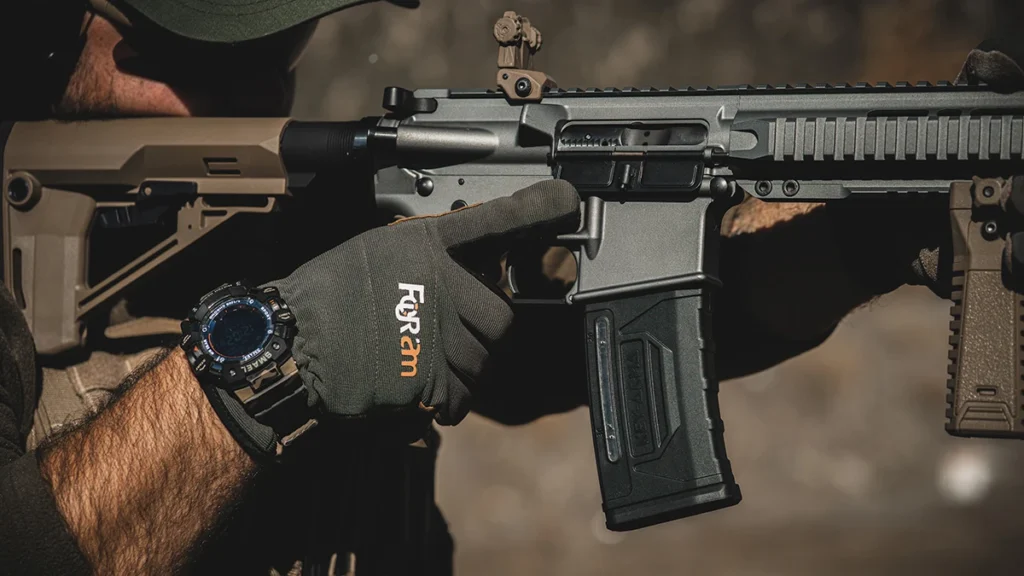
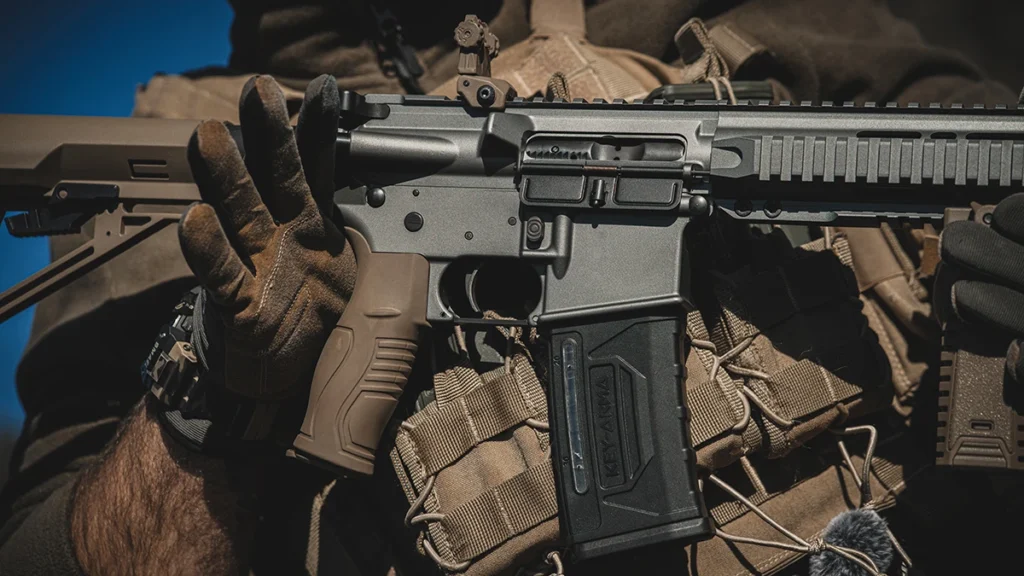
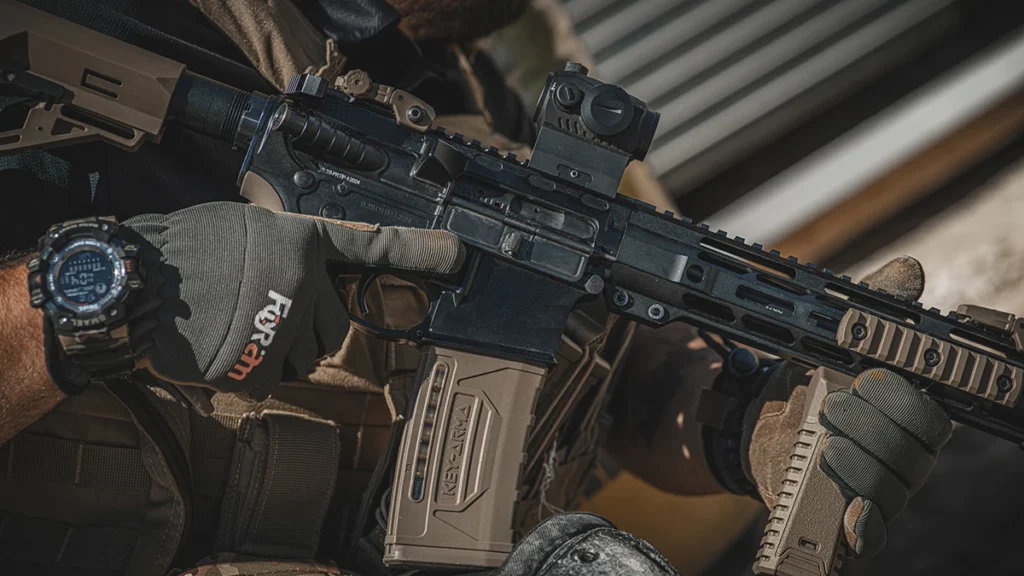
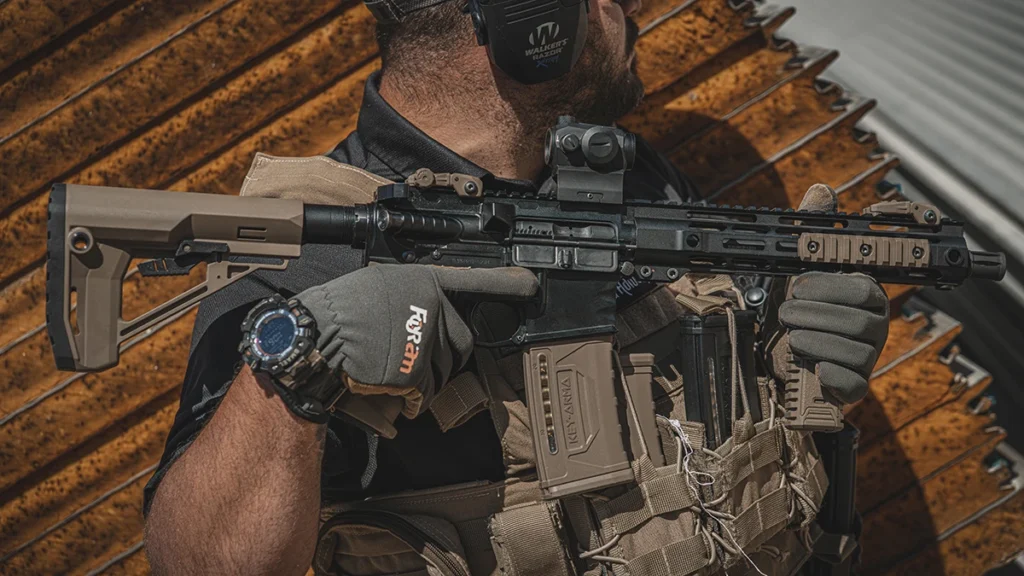
Contact Us for OEM and B2B Cooperation
If you are evaluating a qualified AR-15 magazine manufacturer for OEM production, contract manufacturing, or institutional procurement, contact us with your technical requirements and volume expectations.
Email: [email protected]
Email: [email protected]
WhatsApp: +90 537 467 65 18
Phone: +90 332 500 00 84
Contact Page