



M-LOK Foregrip Manufacturer
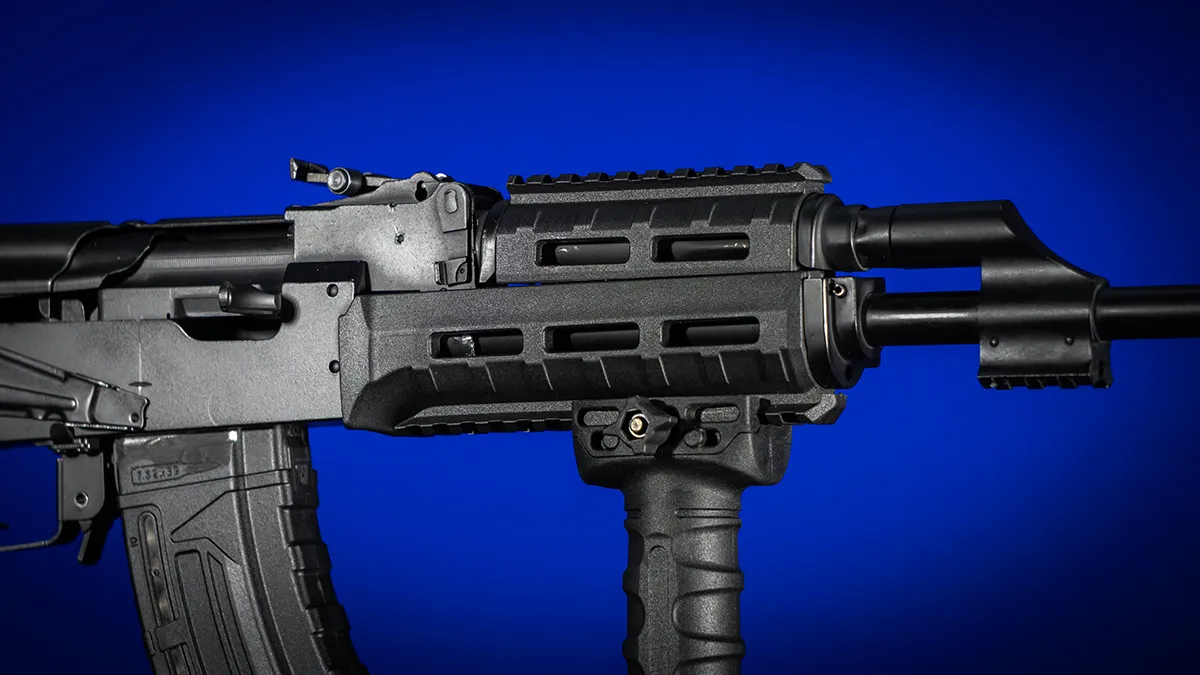
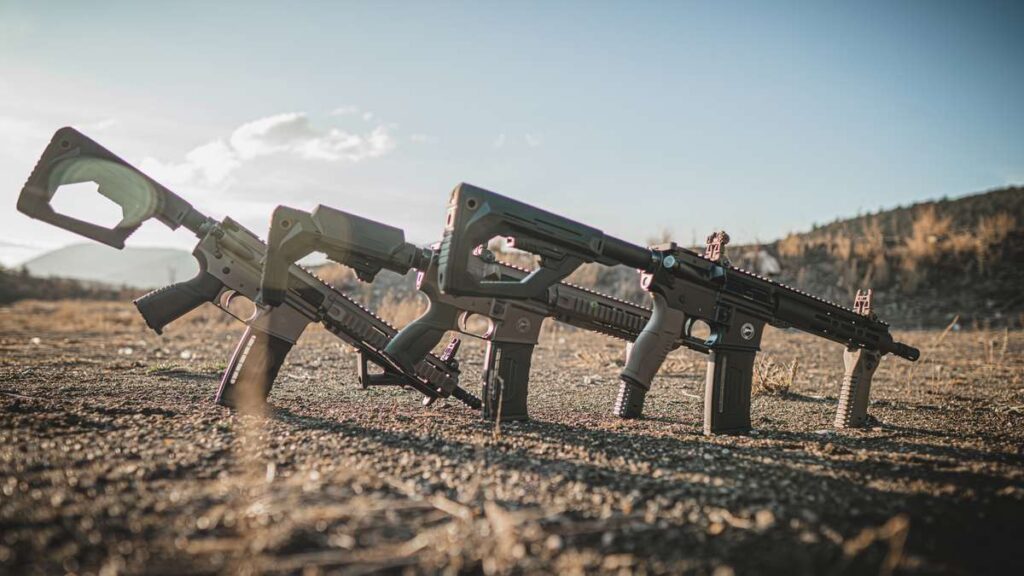
As a dedicated M-LOK foregrip manufacturer, we design and produce foregrips engineered specifically for the M-LOK mounting standard, serving defense contractors, system integrators, law enforcement agencies, and institutional procurement programs worldwide. At Key-Arma, M-LOK foregrip manufacturing is not about producing generic accessories for retail shelves. It is about delivering precision-engineered weapon control components that meet the structural, ergonomic, and durability standards required by professional end users operating in demanding environments.
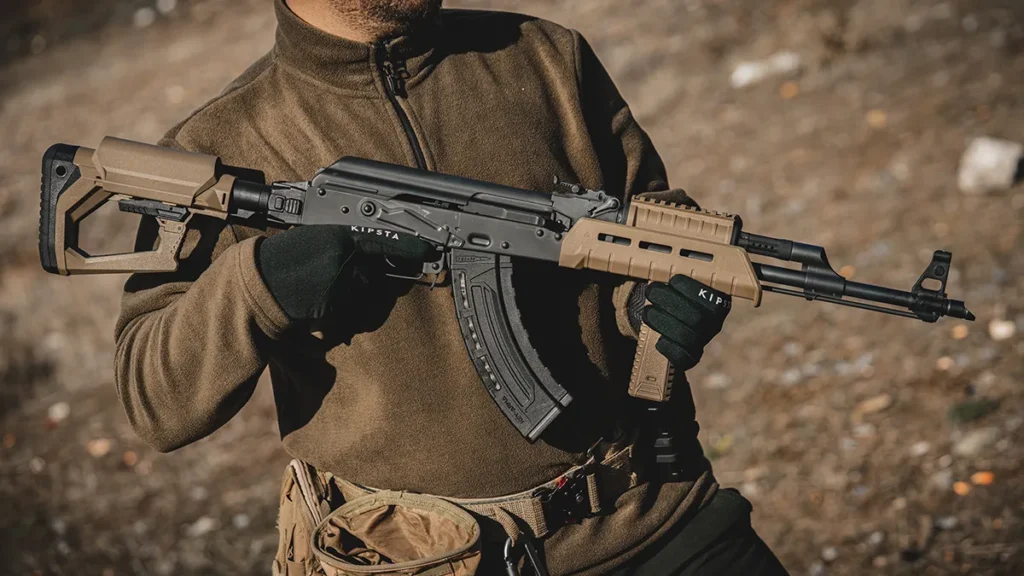
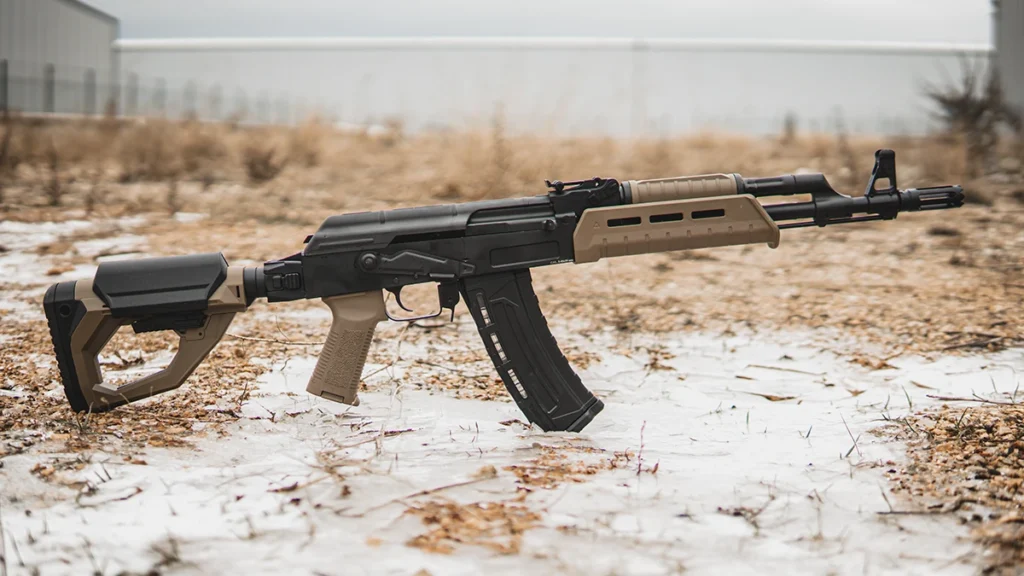
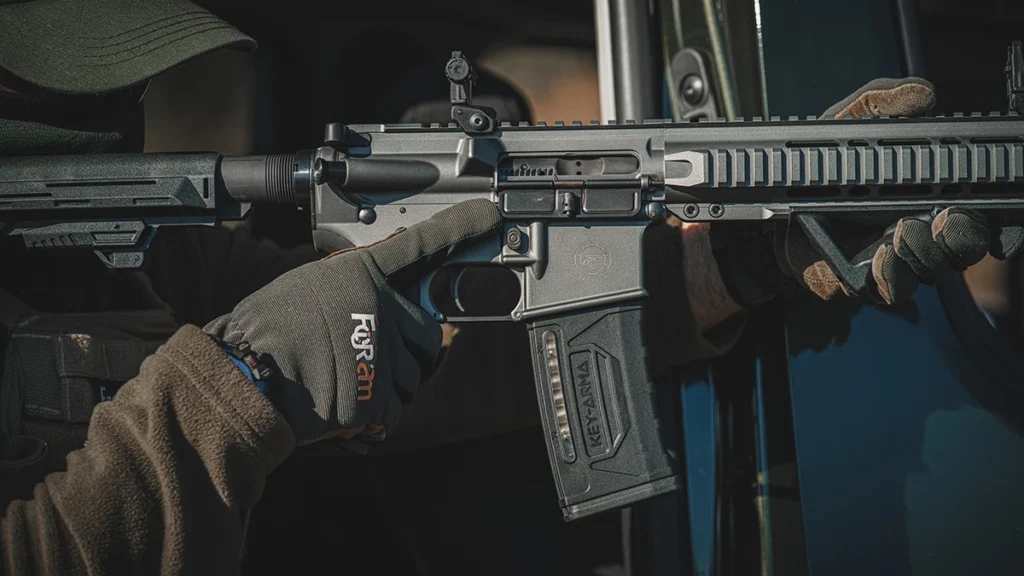
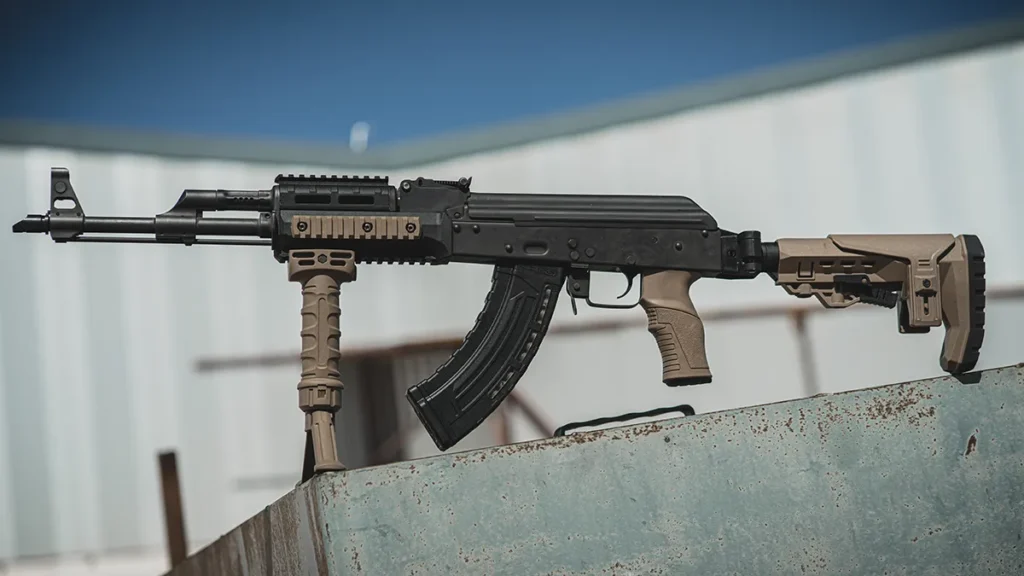
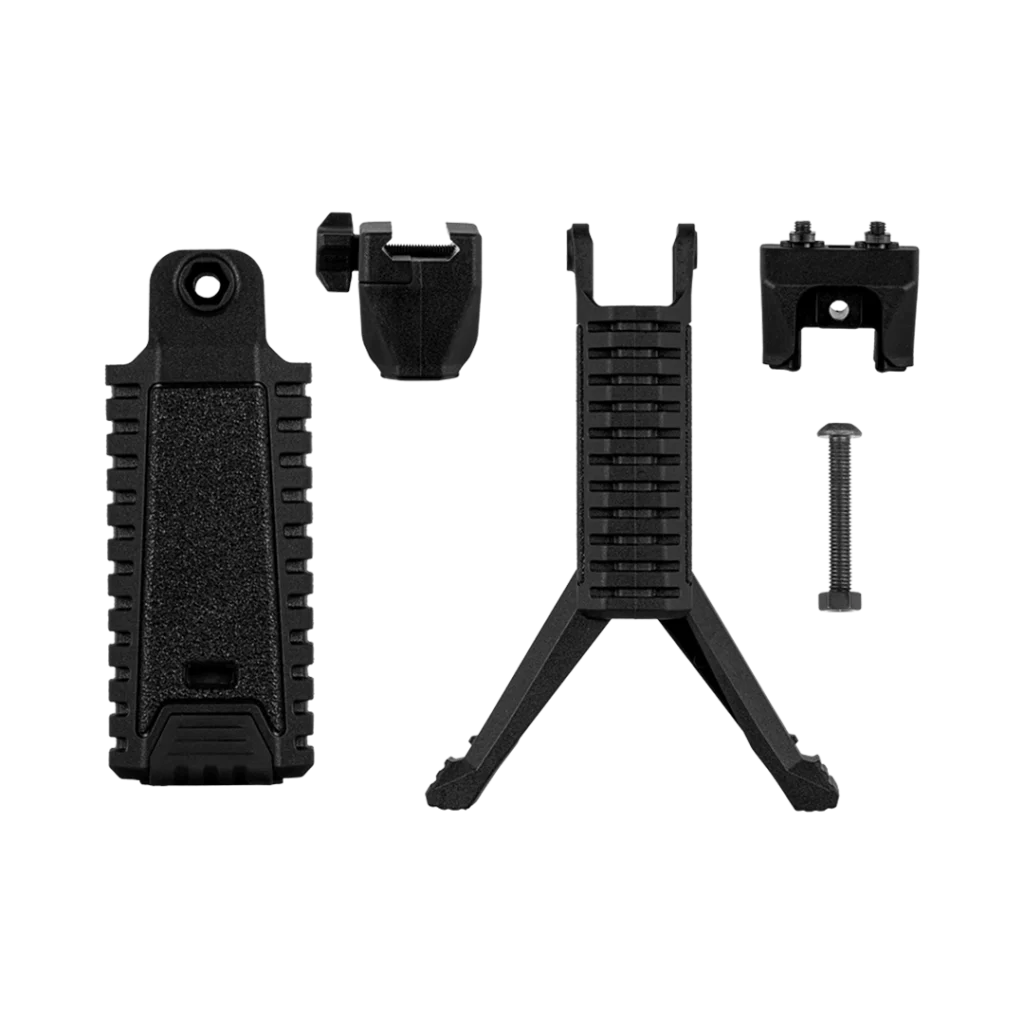
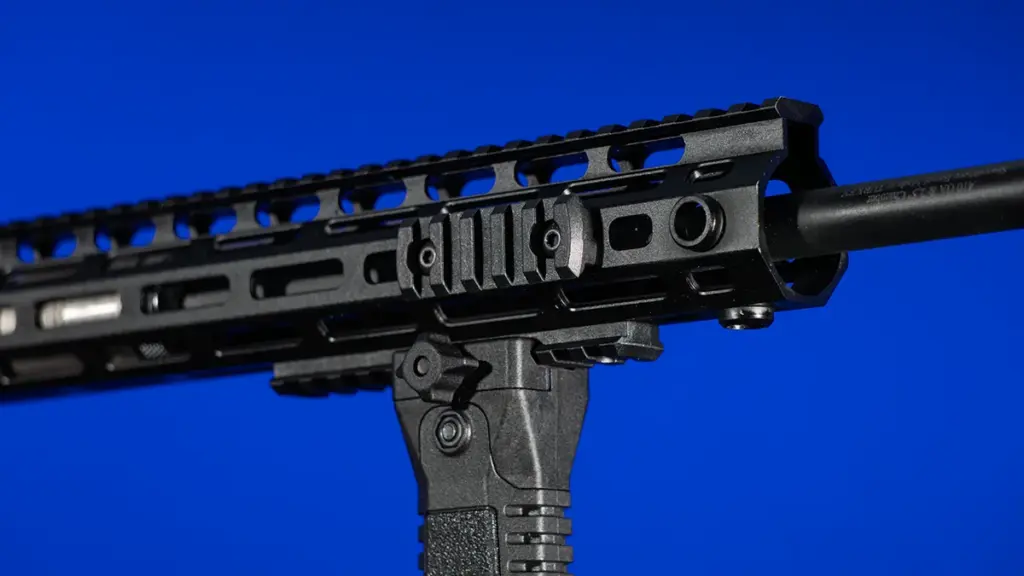
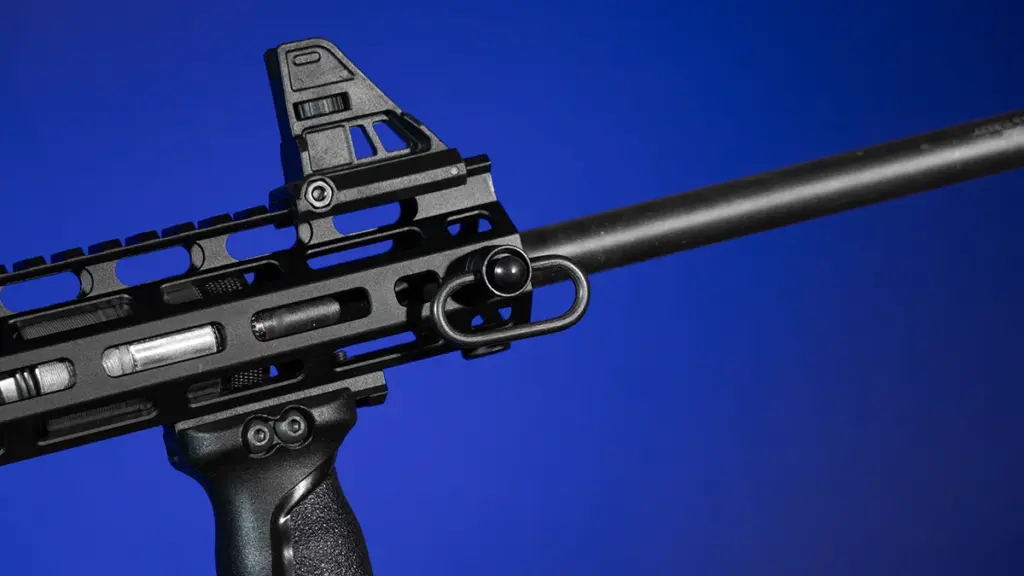
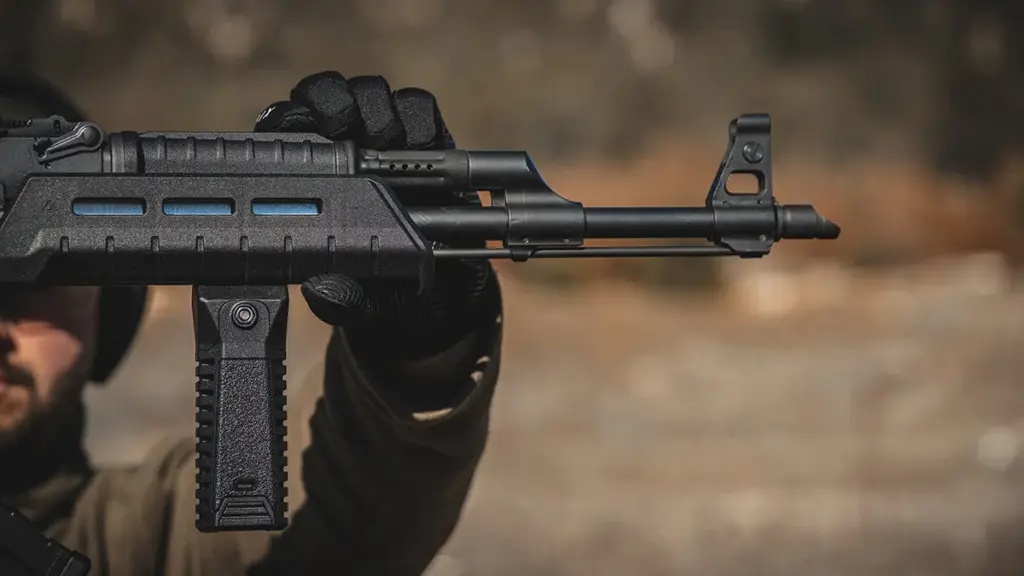
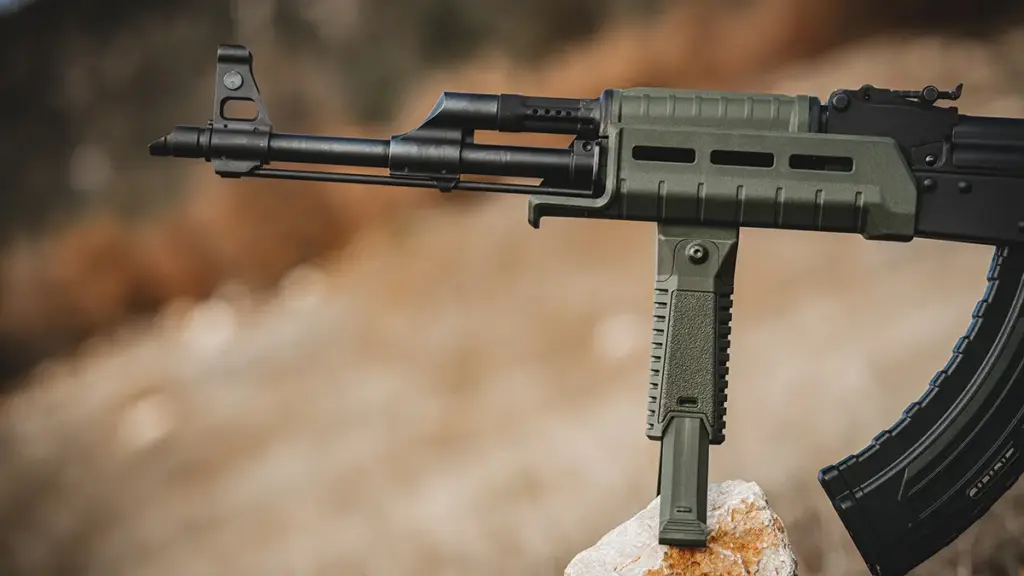
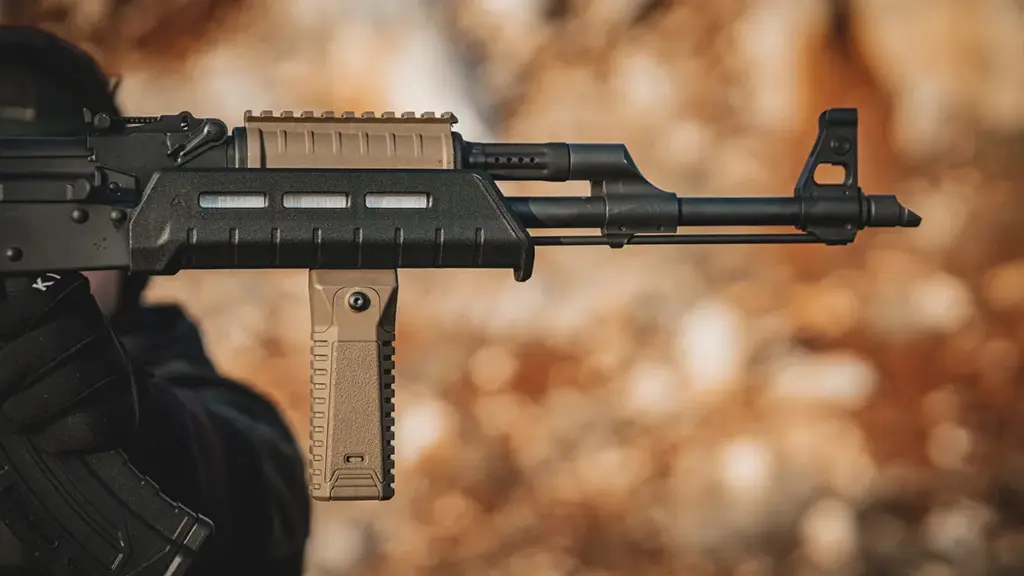
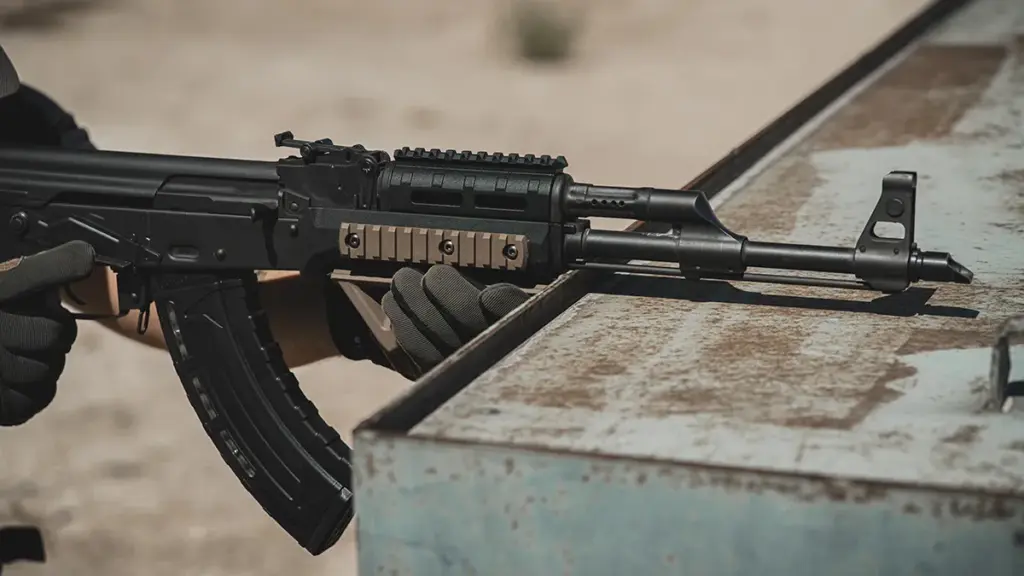
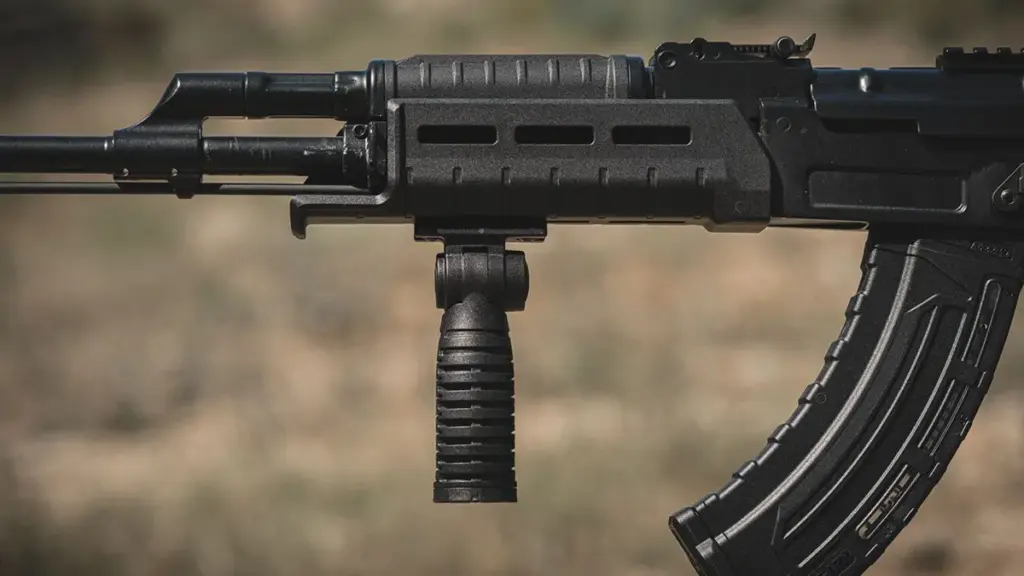
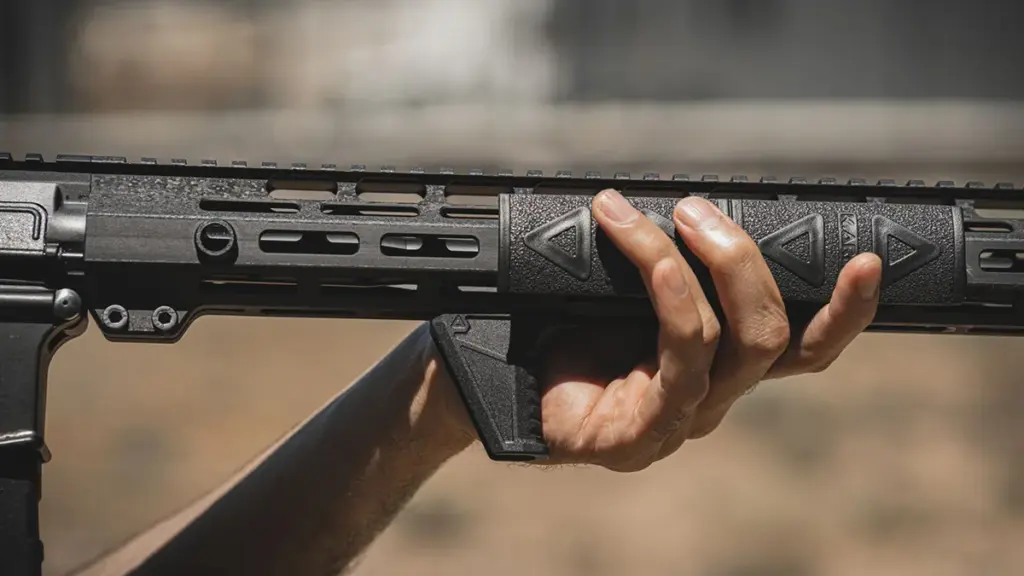
Our manufacturing model is built exclusively around OEM and B2B cooperation. We do not produce for consumer retail or direct-to-shooter distribution channels. Every foregrip we manufacture is designed, tested, and produced for organizations that require documented quality assurance, batch-level traceability, and the ability to source identical components across multi-year weapon system programs. Our M-LOK foregrip line includes both vertical and angled configurations, each engineered for cross-platform compatibility with AR-15, AK-47, AK-74, and other weapon systems equipped with M-LOK compatible handguards.
Understanding the M-LOK Mounting Standard
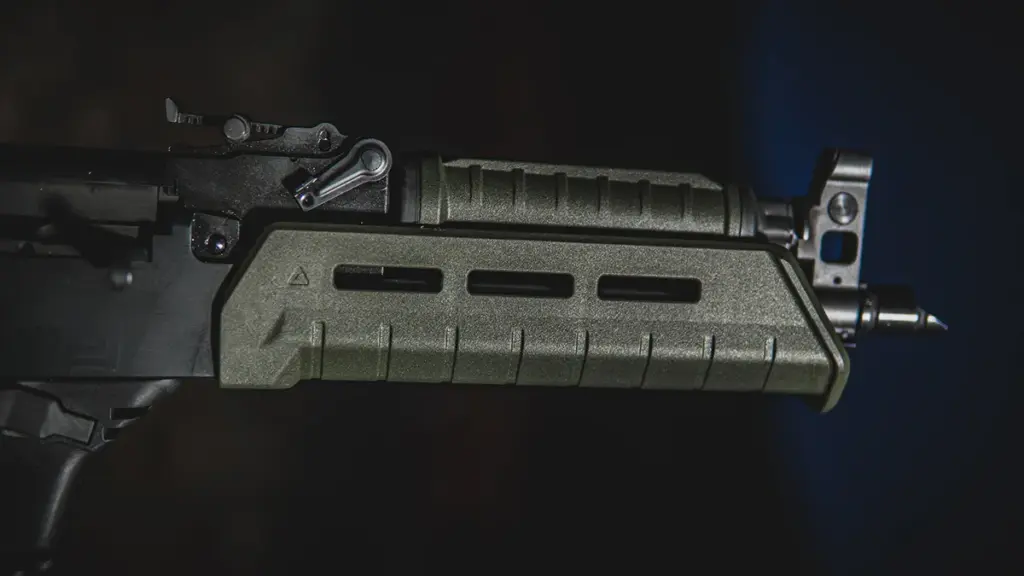
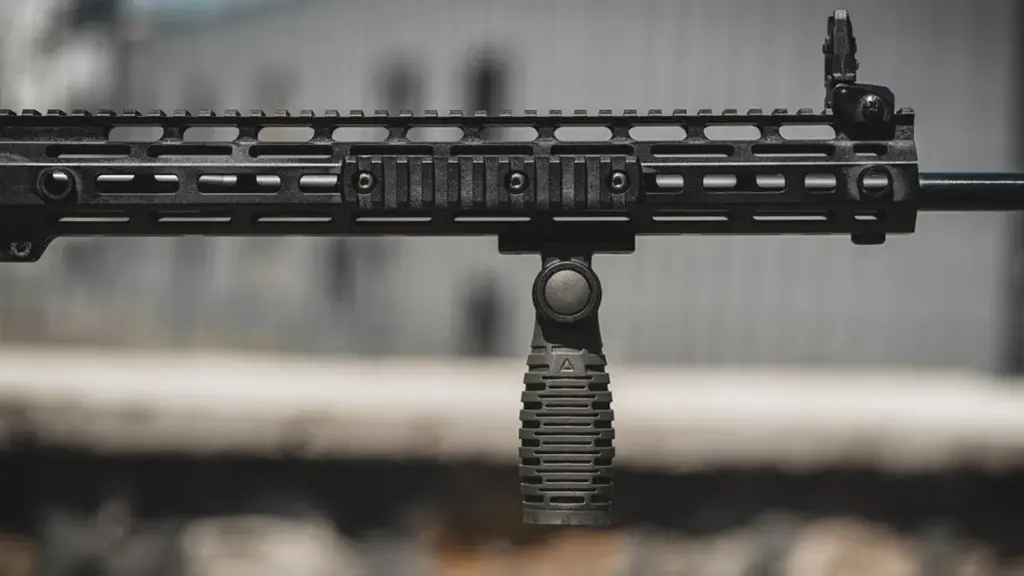
M-LOK (Modular Lock) is an accessory attachment interface developed by Magpul Industries and released as a free-licensed standard for the firearms industry. The system uses a negative-space slot design cut into the handguard or rail surface, allowing accessories to be mounted directly to the handguard without the need for Picatinny rail segments. This results in a slimmer, lighter handguard profile compared to full-length quad-rail systems while maintaining secure, repeatable accessory mounting.
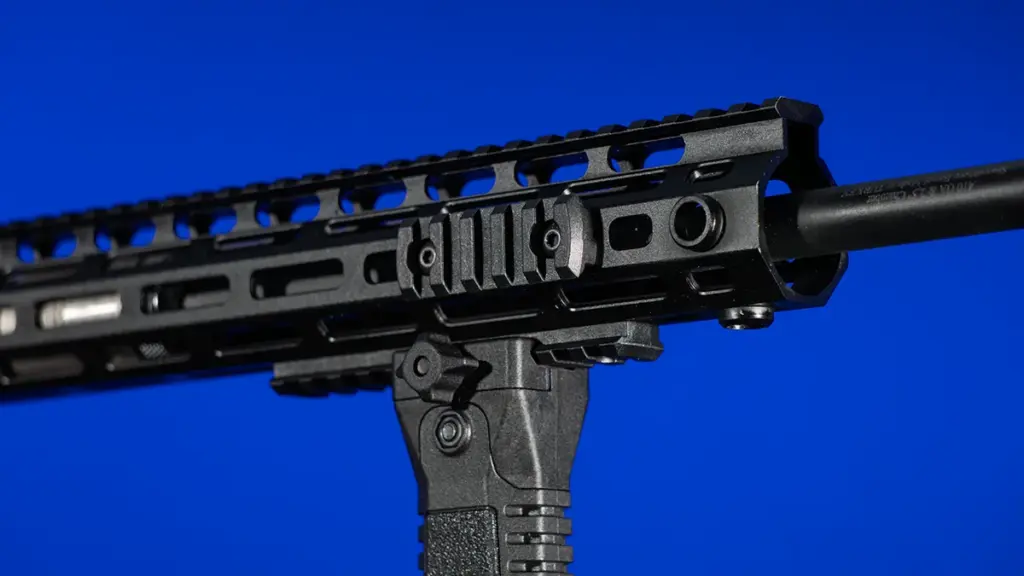
The M-LOK interface relies on a T-nut and screw mechanism that engages with the elongated slots in the handguard. When tightened to the specified torque, the T-nut rotates 90 degrees behind the slot, creating a positive mechanical lock between the accessory and the handguard. This mounting method provides a direct metal-to-metal connection that resists both axial and rotational forces, making it well suited for components that experience sustained operational loads, such as foregrips.
For manufacturers, the M-LOK standard defines specific dimensional requirements for the mounting interface, slot spacing, and hardware engagement geometry. We engineer our foregrips to comply precisely with these specifications, ensuring that every unit we produce mounts securely to any M-LOK compatible handguard regardless of the handguard manufacturer. This interoperability is critical for institutional buyers who source handguards and accessories from different suppliers within the same weapon system program.
Foregrip Configurations: Vertical and Angled
We manufacture M-LOK foregrips in two primary configurations, vertical and angled, each serving distinct operational requirements and ergonomic preferences. The choice between configurations is not simply a matter of user preference; it directly affects weapon control characteristics, shooting posture, and the operator’s ability to manage recoil across different engagement scenarios.
Vertical Foregrips
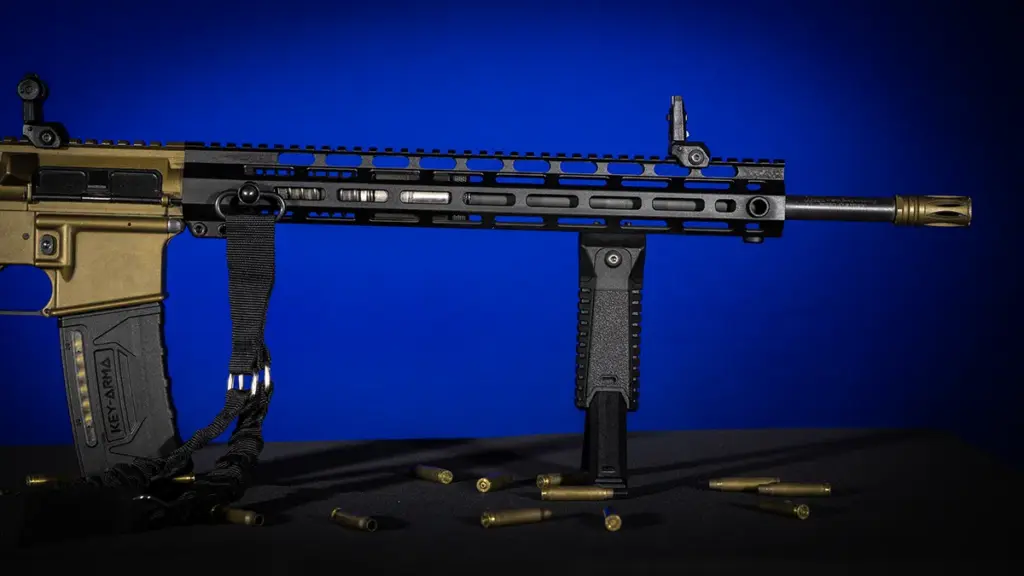
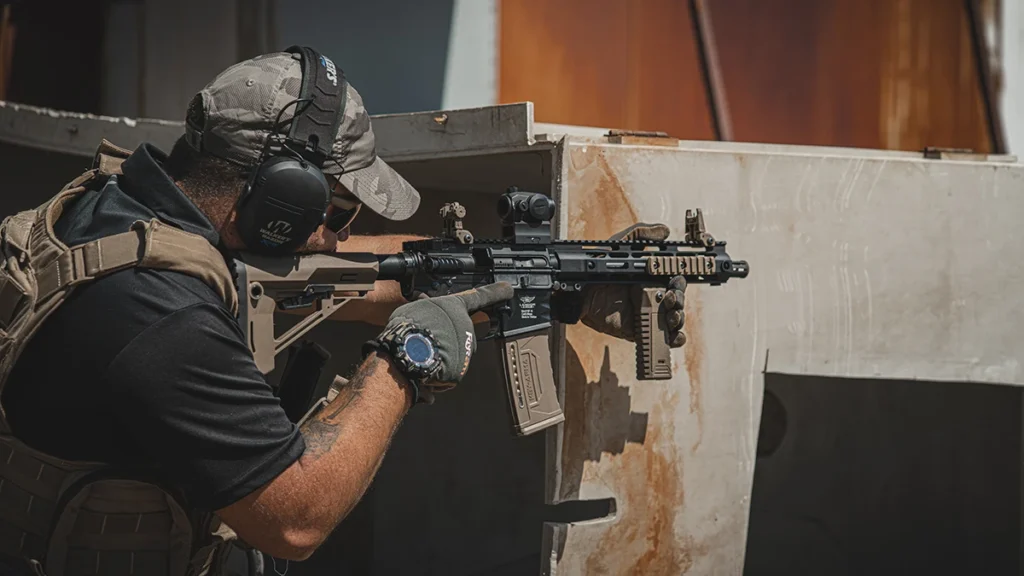
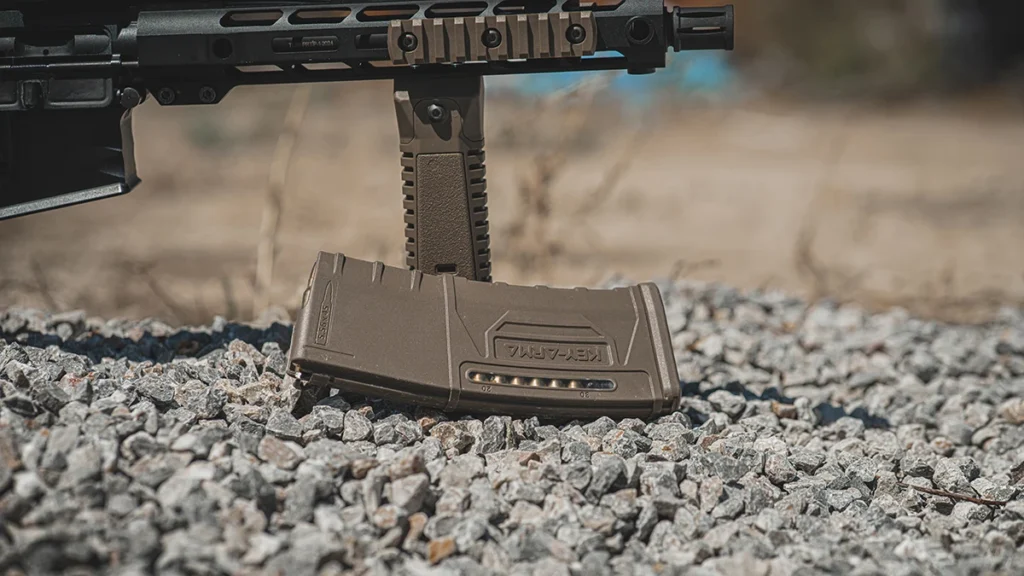
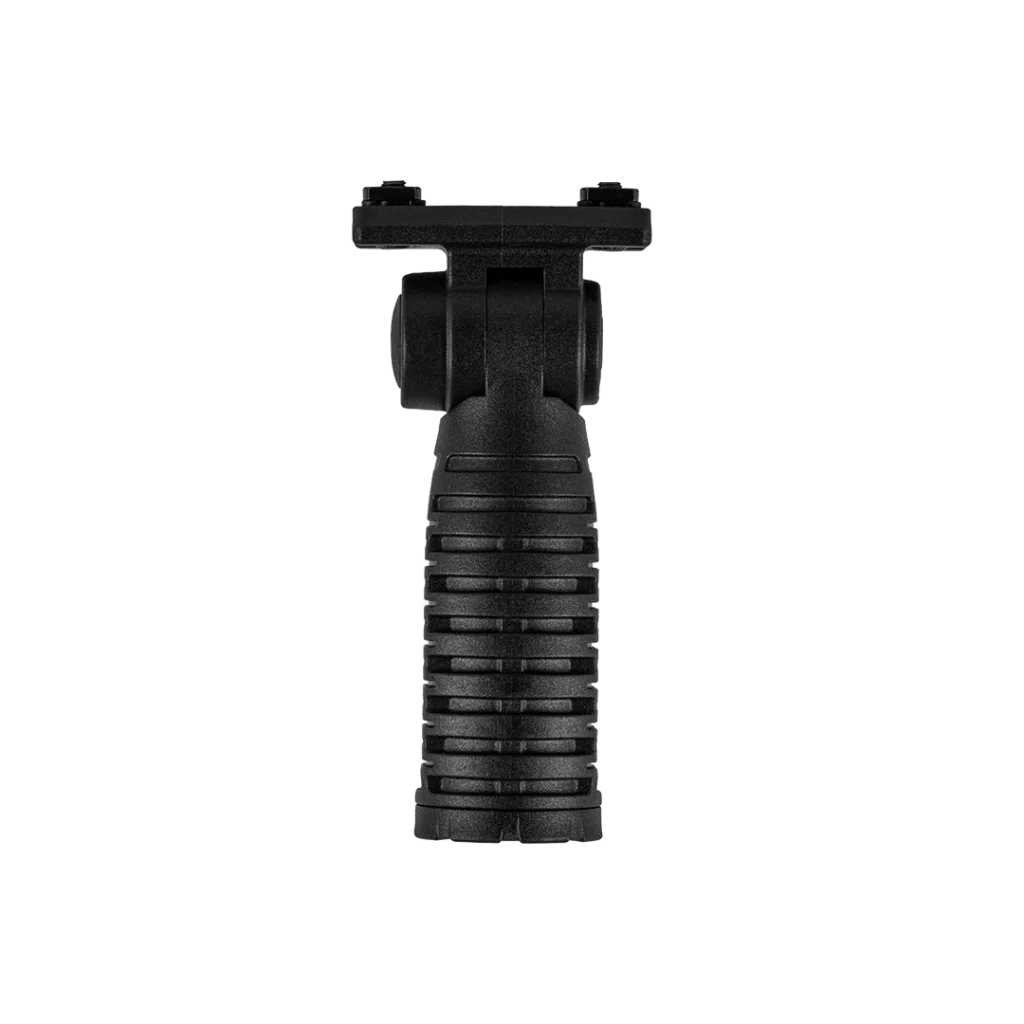
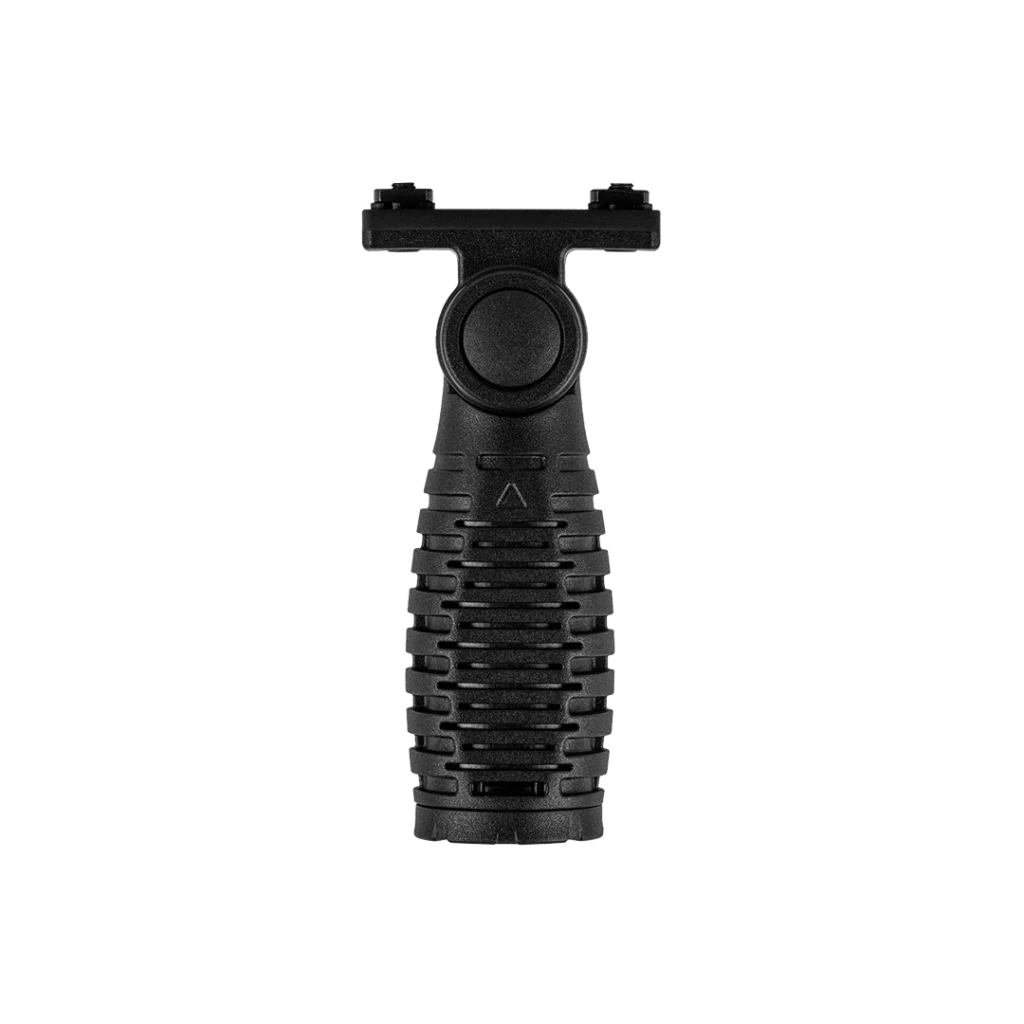
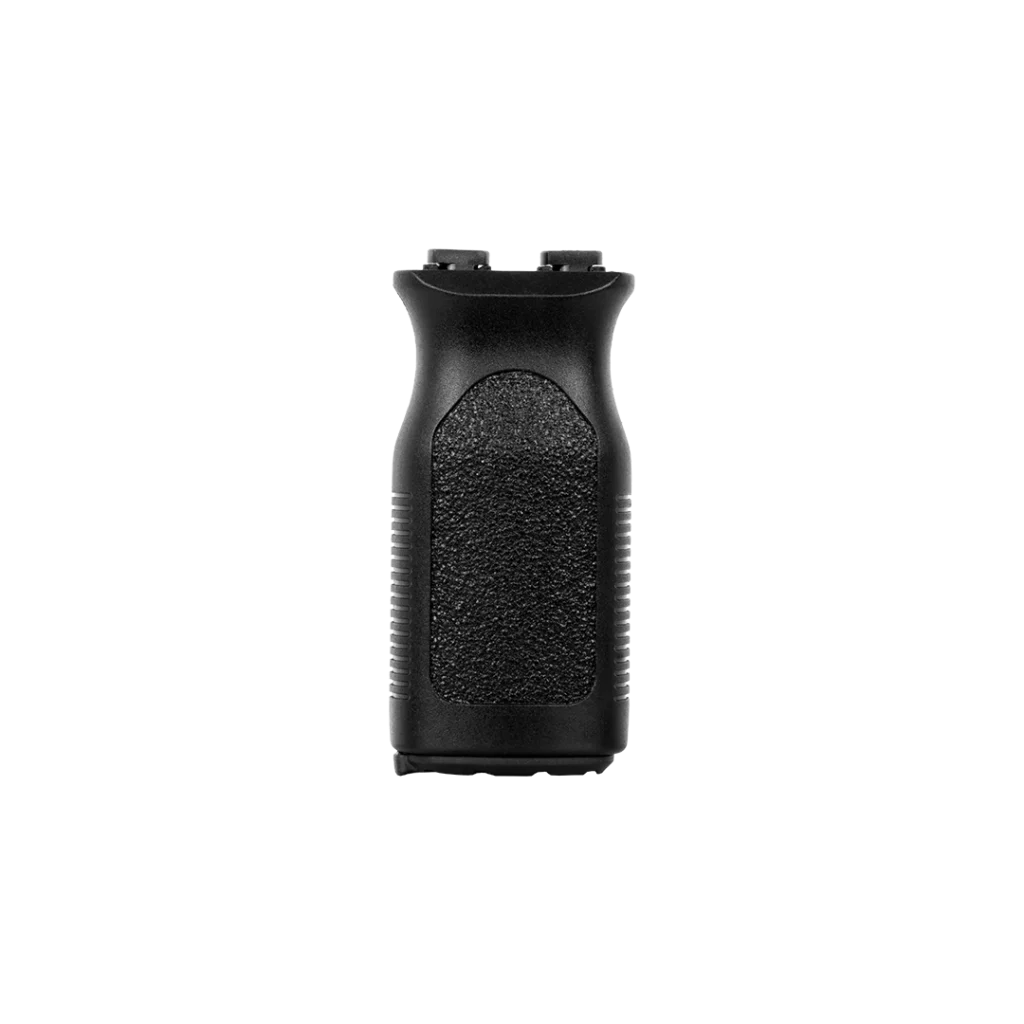
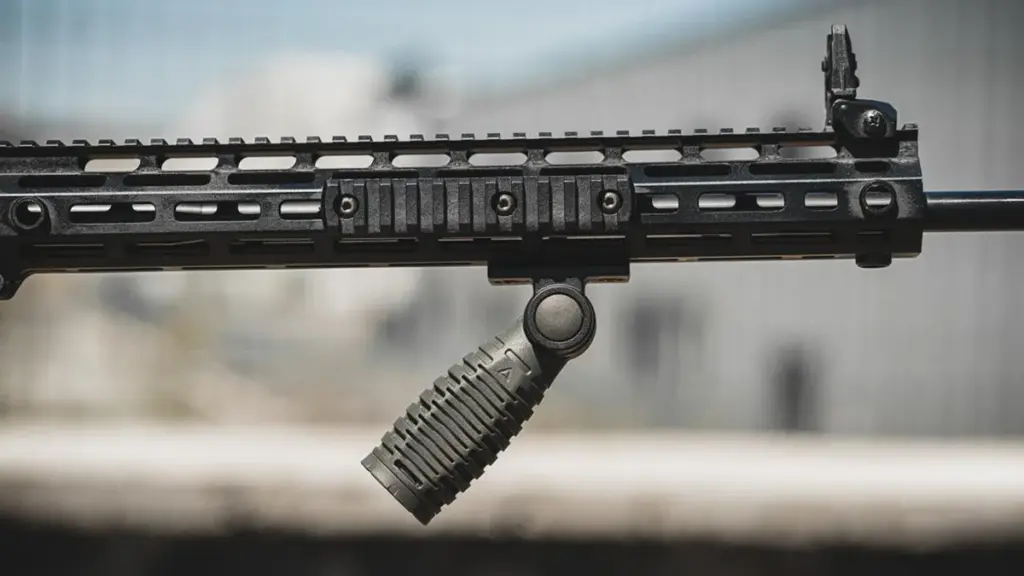
Our vertical M-LOK foregrips extend perpendicular to the handguard axis, providing a full-hand gripping surface below the weapon’s bore line. This configuration delivers maximum leverage for muzzle control during sustained automatic or rapid semi-automatic fire. The vertical orientation allows the support hand to apply downward and rearward force simultaneously, counteracting muzzle rise and improving shot-to-shot recovery time. For institutional applications involving suppressive fire, close-quarters engagement, or weapon manipulation from non-standard shooting positions, vertical foregrips provide the most direct mechanical advantage for weapon control.
We design our vertical foregrips with ergonomic contouring that distributes hand pressure evenly across the palm and fingers, reducing fatigue during extended operations. Surface texturing is calibrated to provide positive grip in all conditions, including wet, gloved, and dusty environments, without creating pressure points that compromise comfort during prolonged use.
Angled Foregrips
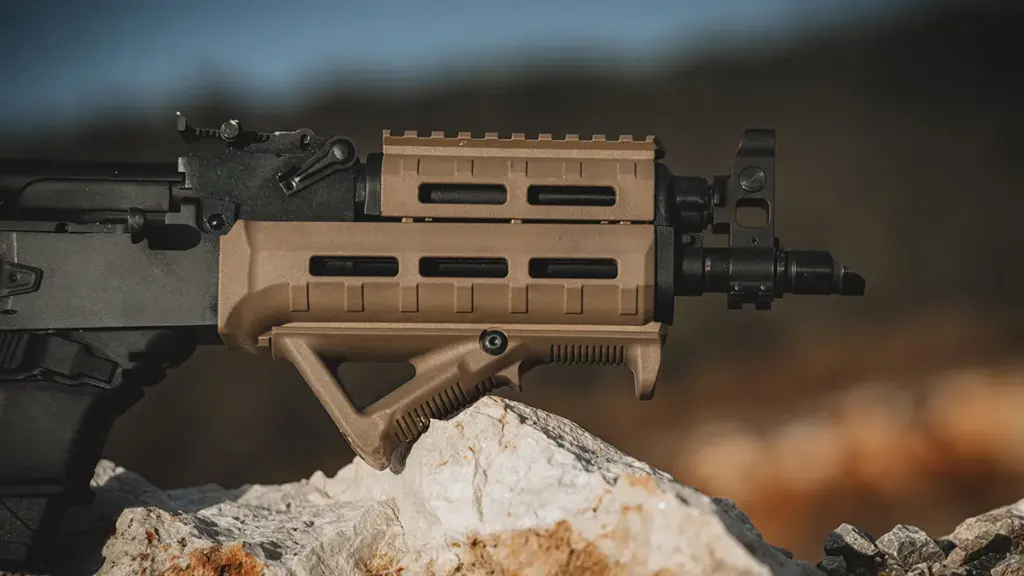
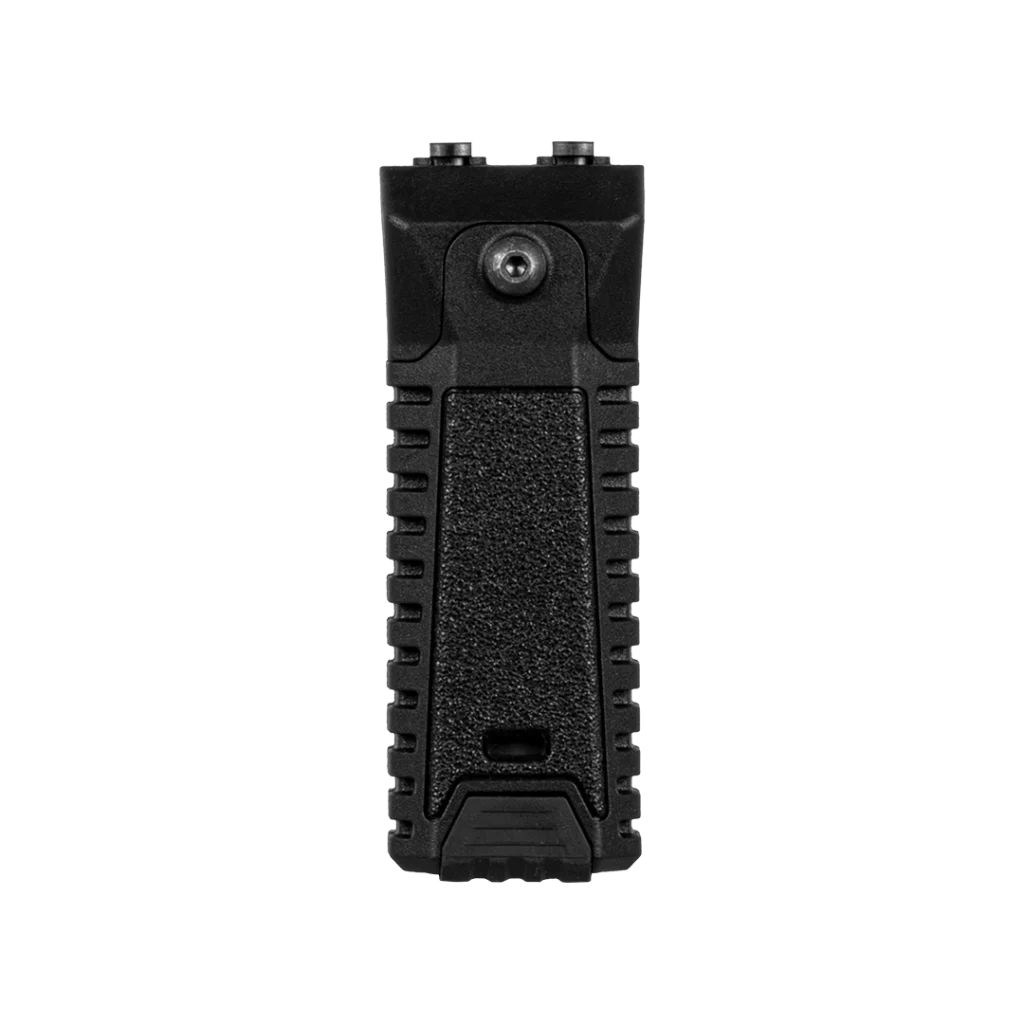
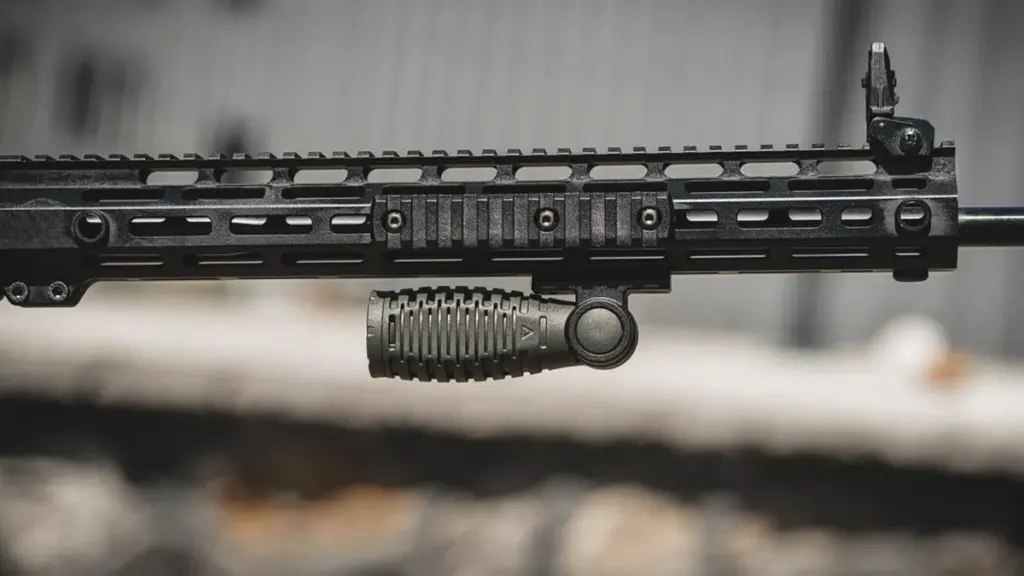
Our angled M-LOK foregrips present the gripping surface at an angle forward of vertical, typically between 35 and 55 degrees relative to the handguard. This configuration promotes a support hand position that naturally indexes the wrist into a more ergonomic orientation, reducing strain during extended patrol carry and improving weapon transition speed. Angled foregrips are particularly effective for operators who employ a thumb-over-bore or C-clamp grip technique, as the angled surface provides a reference point and hand stop that complements this modern shooting posture.
The angled configuration also contributes to a more compact weapon profile compared to vertical foregrips, which can be advantageous during vehicle operations, building entry, and other confined-space scenarios. We engineer the angle geometry and surface profile of each angled foregrip model to balance control authority with handling agility across a range of operational contexts.
Material Engineering for M-LOK Foregrips
Material selection for M-LOK foregrips must satisfy multiple competing requirements: structural rigidity under sustained loads, impact resistance during dynamic weapon handling, thermal management during sustained fire, chemical resistance to cleaning solvents and lubricants, and dimensional stability across extreme temperature ranges. We approach material engineering with the same rigor applied to any structural weapon component, because a foregrip that fails or degrades in the field is a direct threat to weapon controllability and operator safety.
Reinforced Polymer Construction
Our M-LOK foregrips are manufactured from fiber-reinforced polymer compounds formulated for high-performance defense applications. The polymer matrix provides inherent impact resistance, chemical inertness, and lightweight characteristics, while fiber reinforcement delivers the structural rigidity needed to maintain form and function under sustained operational loads. The compound formulation is specifically calibrated to resist UV degradation, maintain dimensional stability from -40 degrees to +70 degrees Celsius, and withstand exposure to CLP, bore solvents, and petroleum-based lubricants without surface degradation or structural compromise.
Vibration Dampening Properties
One of the underappreciated performance characteristics of a well-engineered foregrip is its ability to dampen vibration transmitted from the barrel and handguard assembly during firing. Our polymer formulation and internal geometry are designed to absorb and dissipate vibrational energy rather than transmitting it directly to the operator’s support hand. This reduces hand fatigue during high-volume firing sessions and contributes to improved weapon control by minimizing the sensory distraction caused by transmitted vibration. The dampening characteristics are inherent to the material system and do not degrade over time or with exposure to environmental conditions.
Thermal Isolation
During sustained fire, handguard temperatures can reach levels that make unprotected contact uncomfortable or dangerous. While the primary thermal management function belongs to the handguard itself, our foregrips provide an additional layer of thermal isolation between the operator’s hand and the heated handguard surface. The polymer material’s low thermal conductivity means that heat transfer from the handguard through the foregrip body to the operator’s hand is significantly slower compared to metal foregrip alternatives, extending the time window for comfortable and safe weapon manipulation during extended engagements.
Cross-Platform Compatibility
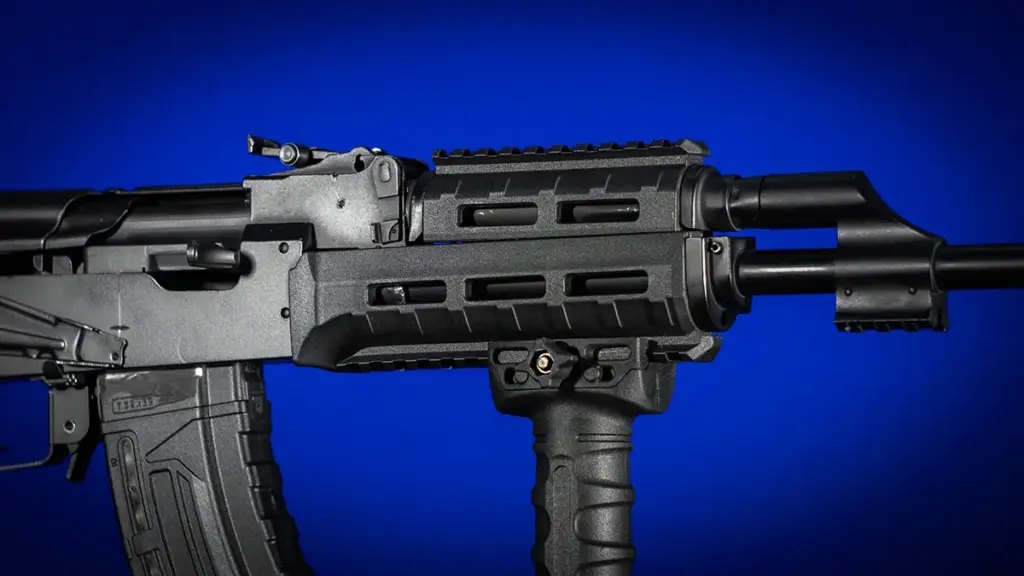
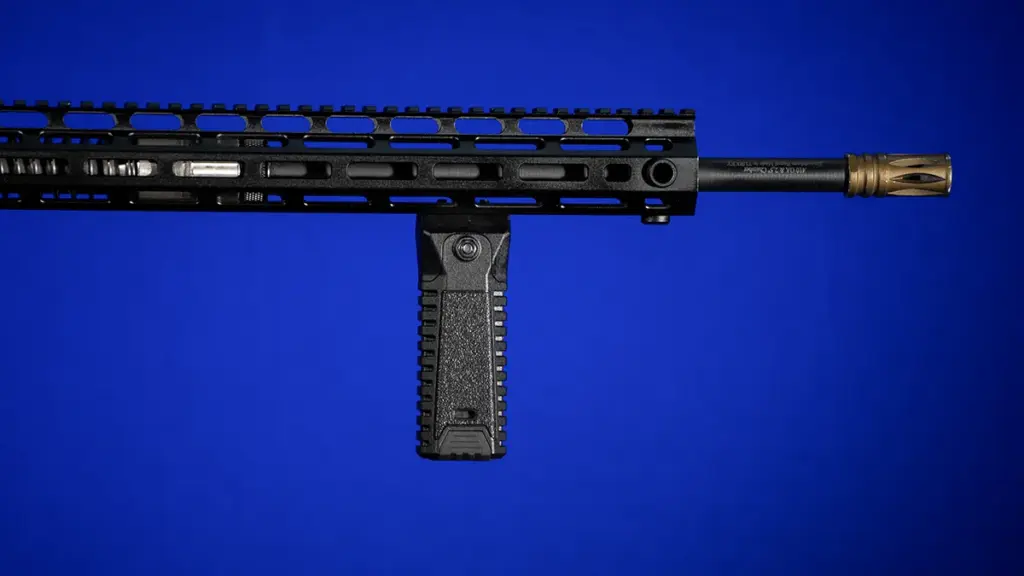
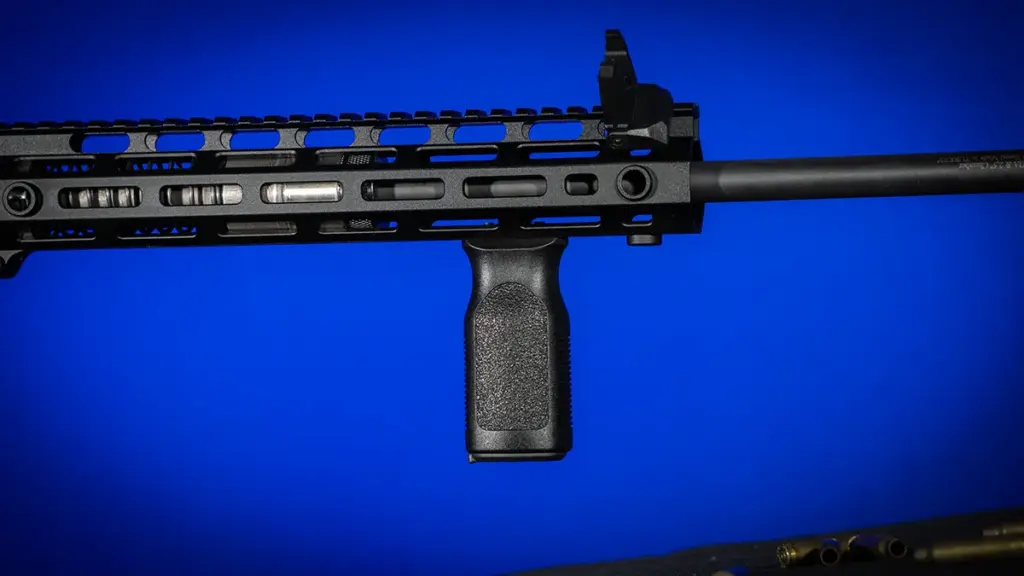
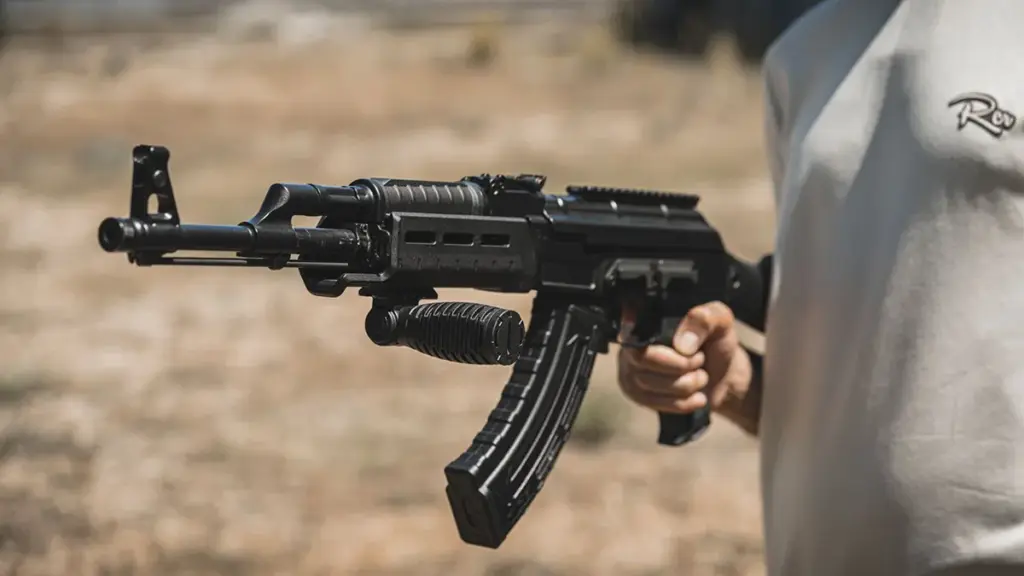
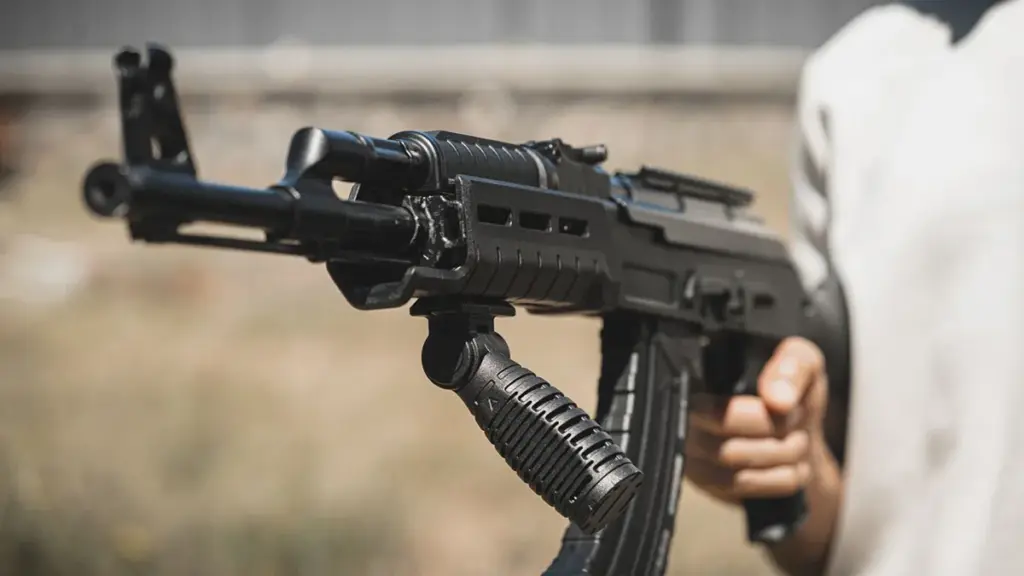
The M-LOK standard is platform-agnostic by design, and we engineer our foregrips to deliver consistent performance across all major weapon platforms equipped with M-LOK compatible handguards. Our foregrips are validated for use on AR-15 platform variants, AK-47 and AK-74 platform variants with aftermarket M-LOK handguards, and other modern weapon systems that have adopted the M-LOK interface.
Cross-platform validation is not simply a matter of confirming that the foregrip physically attaches to different handguards. We verify dimensional compatibility, structural load performance, and ergonomic function on each platform because handguard profiles, slot positions, and barrel axis relationships vary across weapon families. A foregrip that performs well on an AR-15 free-float handguard must also perform correctly on a heavier AK-pattern handguard with different slot spacing and handguard geometry. Our testing protocols account for these platform-specific variables to ensure that our foregrips deliver reliable, consistent performance regardless of the host weapon system.
Ergonomic Design Principles
Ergonomic design in a foregrip extends beyond surface contouring. It encompasses the entire interaction between the operator’s support hand and the weapon system during all phases of use: shooting, carrying, transitioning, reloading, and weapon manipulation. We apply human factors engineering principles to every foregrip design, considering hand anthropometrics, grip force distribution, wrist alignment, and the biomechanics of recoil management.
Our design process involves iterative evaluation of grip profiles against diverse hand sizes and glove types used in military and law enforcement operations. Surface texture patterns are developed to provide consistent grip across conditions ranging from dry to wet and oily environments. Control surfaces, mounting positions, and overall dimensions are optimized to support natural hand positioning that minimizes muscle strain during sustained use, whether the operator is in a standing, kneeling, prone, or barrier-supported shooting position.
OEM and Contract Manufacturing Capabilities
We serve as a contract manufacturing partner for organizations that require M-LOK foregrips produced under their own brand identity or to program-specific configurations. Our OEM capabilities include private labeling, custom color and finish options, program-specific markings, and modified feature sets aligned with partner technical requirements.
The OEM engagement process begins with detailed specification review and technical alignment before production commitments. We work through acceptance criteria definition, material standard confirmation, dimensional tolerance agreements, and documentation format requirements during the pre-production phase. This structured approach ensures that series production delivers components that meet partner specifications without integration issues or post-delivery qualification problems.
Our production infrastructure supports both qualification-phase quantities and sustained high-volume series production. Whether an OEM partnership involves a single foregrip model or a complete accessory package spanning foregrips, pistol grips, buttstocks, and magazines, we scale production while maintaining consistent quality output and predictable delivery timelines.
B2B-Focused Manufacturing and Procurement Model
Institutional foregrip procurement involves requirements that extend well beyond product selection. The procurement decision must account for supply chain reliability, batch-level documentation, revision control, and the manufacturer’s ability to sustain consistent supply over the lifecycle of a defense or law enforcement program. We have structured our B2B manufacturing model to address these institutional requirements comprehensively.
Institutional Procurement Process Support
We operate within procurement frameworks that include formal tenders, framework agreements, government-to-government supply contracts, and multi-year delivery schedules. Every production batch is accompanied by material certifications, dimensional inspection records, and full traceability documentation. Our B2B customers can integrate this documentation directly into their compliance and audit workflows without additional qualification overhead.
Program-Level Coordination
M-LOK foregrips are typically procured as part of weapon system accessory packages, modernization programs, or initial fielding kits. We coordinate production timing, documentation formats, packaging specifications, and logistics with system integrators and prime contractors to ensure that foregrip supply aligns with the broader program timeline. Component delivery is managed as a program element integrated into the overall supply chain, not as a standalone accessory purchase.
Framework Agreements and Long-Term Supply Continuity
Defense and law enforcement programs require the ability to procure identical components years after initial qualification. We maintain tooling, material specifications, and process documentation for our M-LOK foregrip product line so that repeat orders, even after significant time intervals, deliver the same fit, function, and quality baseline as the original qualification lot. For our B2B partners, this means program continuity without requalification cycles or specification drift.
Quality Control and Production Discipline
The performance and reliability of our M-LOK foregrips depend directly on the quality control systems governing their production. We embed inspection and verification at every stage of the manufacturing process: incoming polymer compound verification, in-process dimensional checks during molding, M-LOK interface geometry validation against reference standards, surface finish inspection, and finished-product functional testing on representative handguard samples across multiple platforms.
Batch consistency is monitored continuously across production runs. Every batch is traceable from raw material receipt through molding, assembly, inspection, and final packaging. Mounting torque verification ensures that each foregrip achieves the specified clamping force on the M-LOK interface without hardware deformation or slot damage. Quality records are maintained throughout the product lifecycle for reference, audit, and reorder purposes. If your program requires specific acceptance testing protocols, enhanced inspection criteria, or third-party inspection access, we accommodate these requirements as part of our standard operating procedures.


Why Choose Us as Your M-LOK Foregrip Manufacturer
Selecting an M-LOK foregrip manufacturer for institutional programs requires confidence in engineering precision, production consistency, and long-term supply reliability. We deliver foregrips manufactured with advanced material engineering and vibration dampening properties, cross-platform compatibility validated across AR-15, AK-47, and AK-74 systems, and a B2B partnership model structured for the documentation, coordination, and supply continuity requirements of defense and law enforcement programs.
Our vertical and angled foregrip configurations address the full range of operational requirements, from maximum muzzle control during sustained fire to ergonomic efficiency during extended patrol operations. Every component is produced under the same quality discipline, batch traceability, and institutional procurement support framework that defines our approach to defense manufacturing.
If your organization is evaluating a capable M-LOK foregrip manufacturing partner for current or upcoming programs, we are prepared to engage through technical review, sample evaluation, and formal qualification processes. Our commitment is to deliver components that perform as specified, on schedule, and with full traceability, for every order and every program year.
Gallery
Contact Us for OEM and B2B Cooperation
If you are sourcing a qualified M-LOK foregrip manufacturer for OEM production, contract manufacturing, or institutional procurement, contact us with your specifications.
Email: [email protected]
Email: [email protected]
WhatsApp: +90 537 467 65 18
Phone: +90 332 500 00 84
Contact Page