



M-LOK Handguard Manufacturer
As a specialized M-LOK handguard manufacturer, we engineer and produce handguards built around the M-LOK modular attachment standard for defense contractors, system integrators, law enforcement agencies, and institutional procurement programs worldwide. At Key-Arma, M-LOK handguard manufacturing is not about producing generic rail systems for retail distribution. It is about delivering dimensionally precise, thermally managed, and structurally validated handguard assemblies that serve as the accessory backbone of professional weapon configurations operating under demanding field conditions.
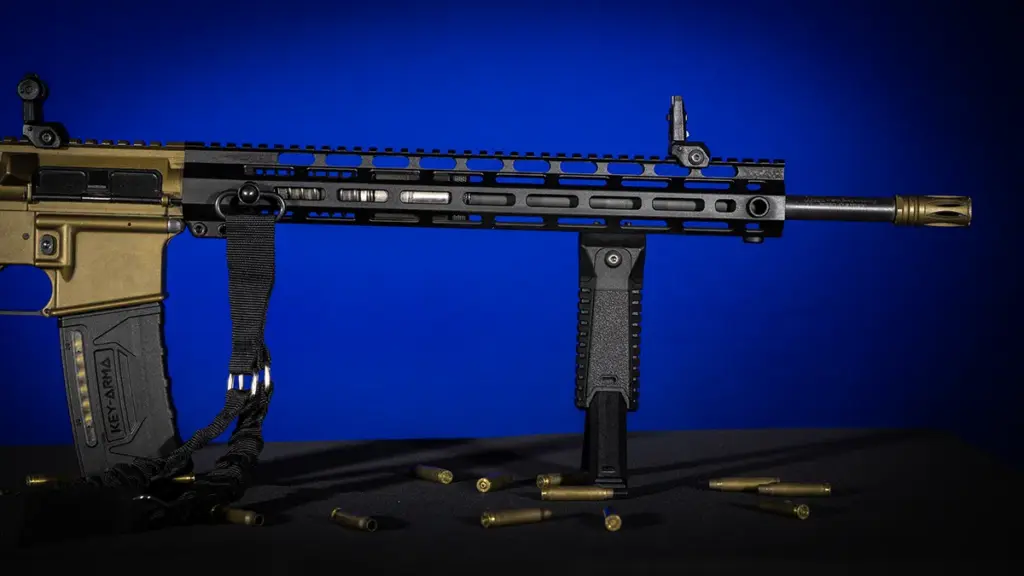
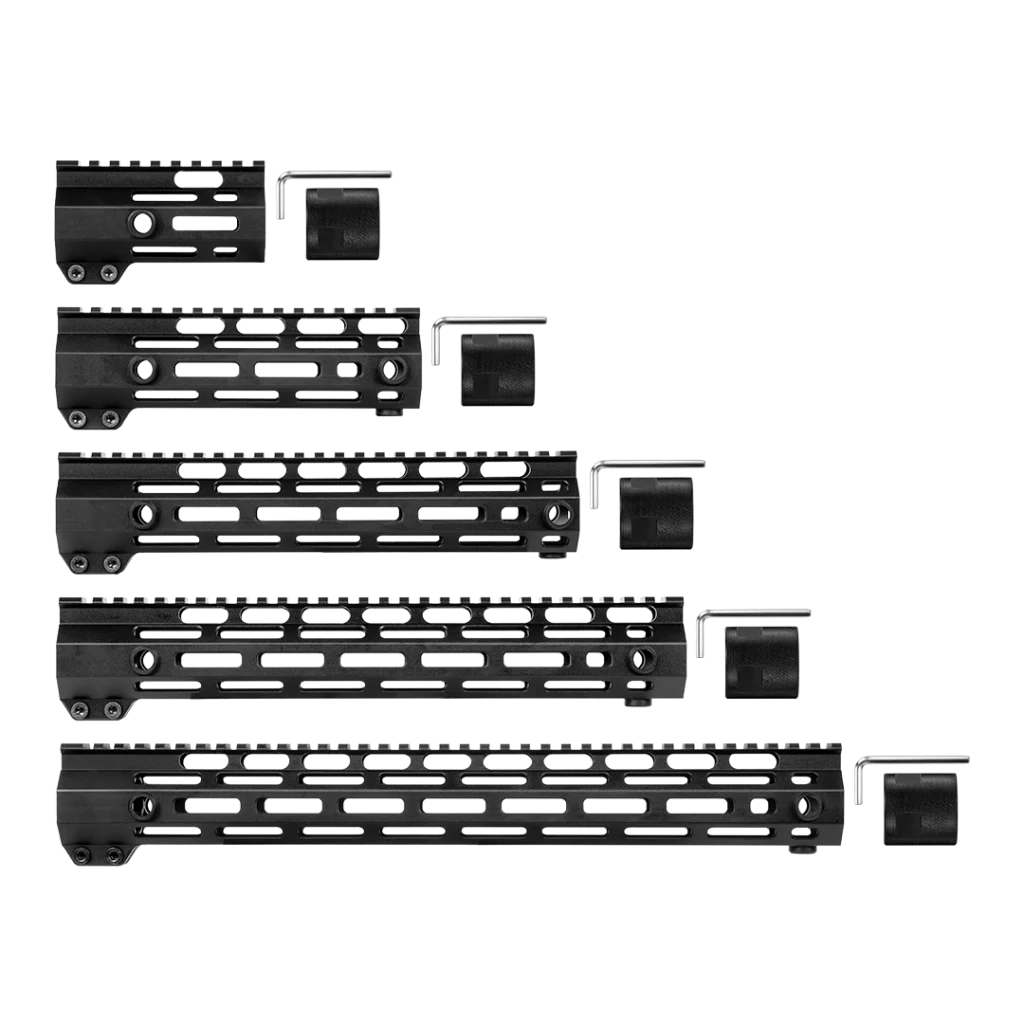
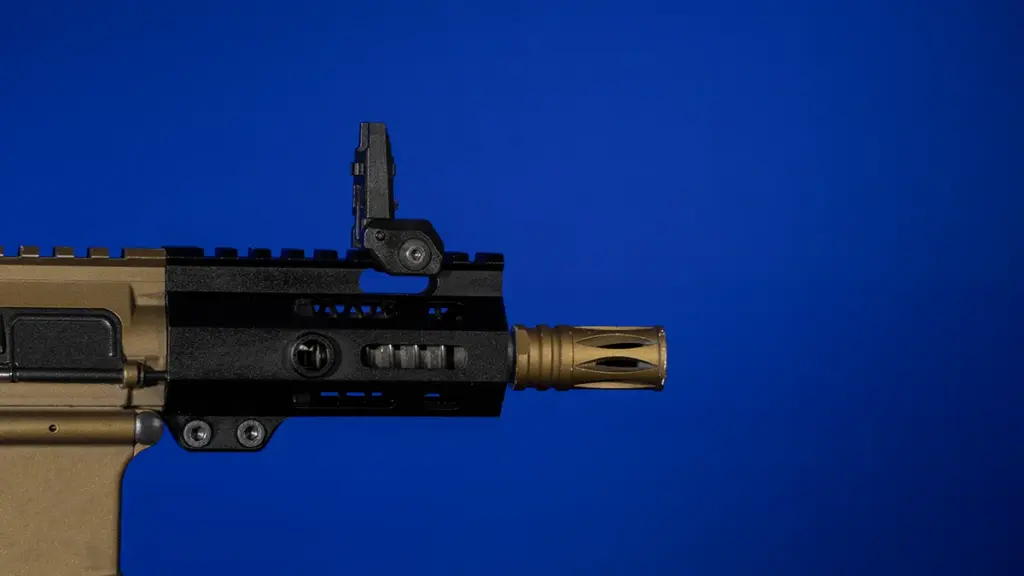
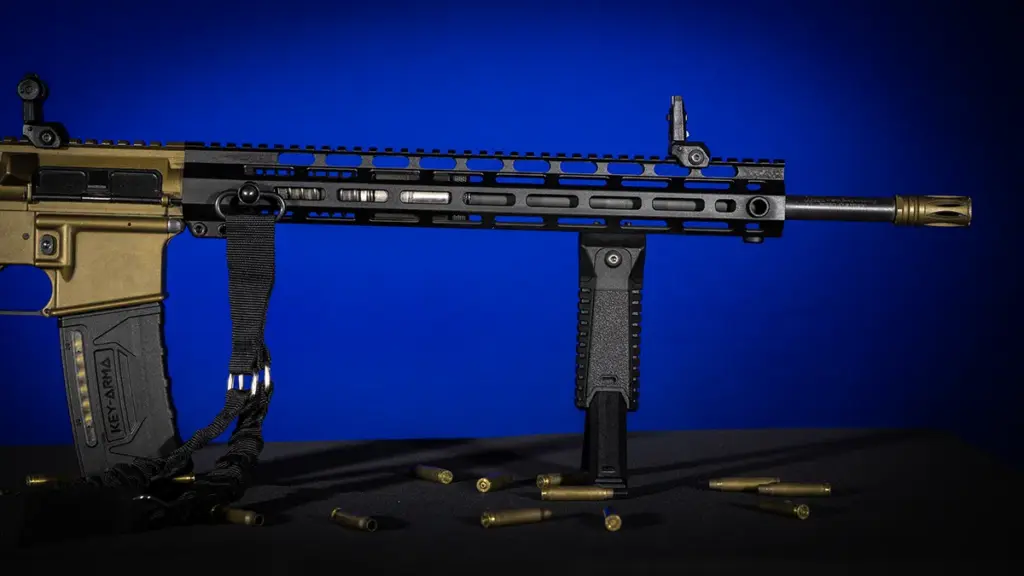
Our manufacturing model is structured exclusively for OEM and B2B cooperation. We do not produce for consumer retail or direct-to-shooter distribution channels. Every handguard we manufacture is designed, tested, and produced for organizations that require documented quality assurance, batch-level traceability, and the ability to source identical components across multi-year weapon system programs. Our M-LOK handguard product line encompasses both free-float and drop-in configurations, engineered for AR-15, AK-47, AK-74, and other weapon platforms that have adopted the M-LOK accessory interface.
The M-LOK Mounting Standard and Its Role in Handguard Design
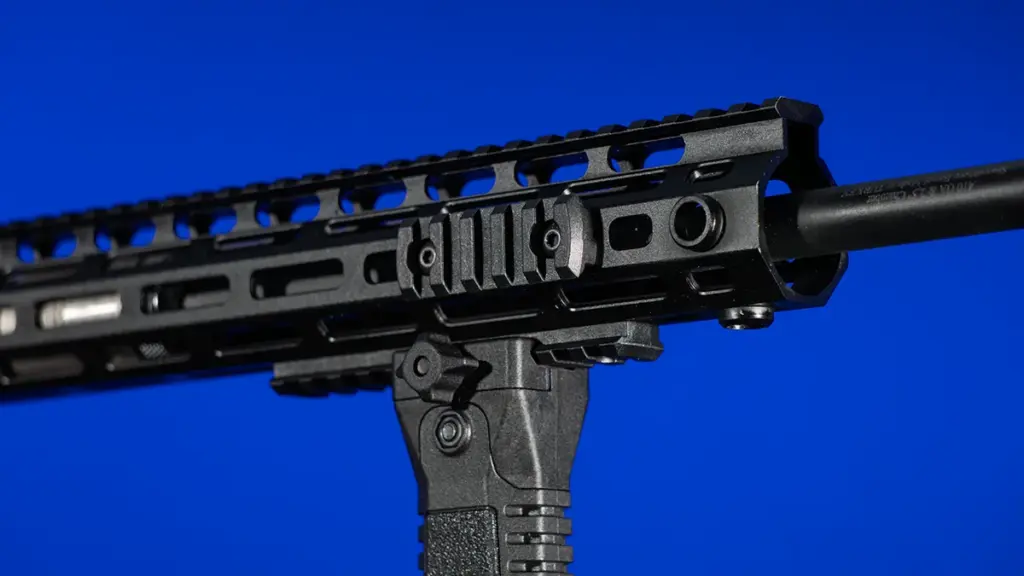
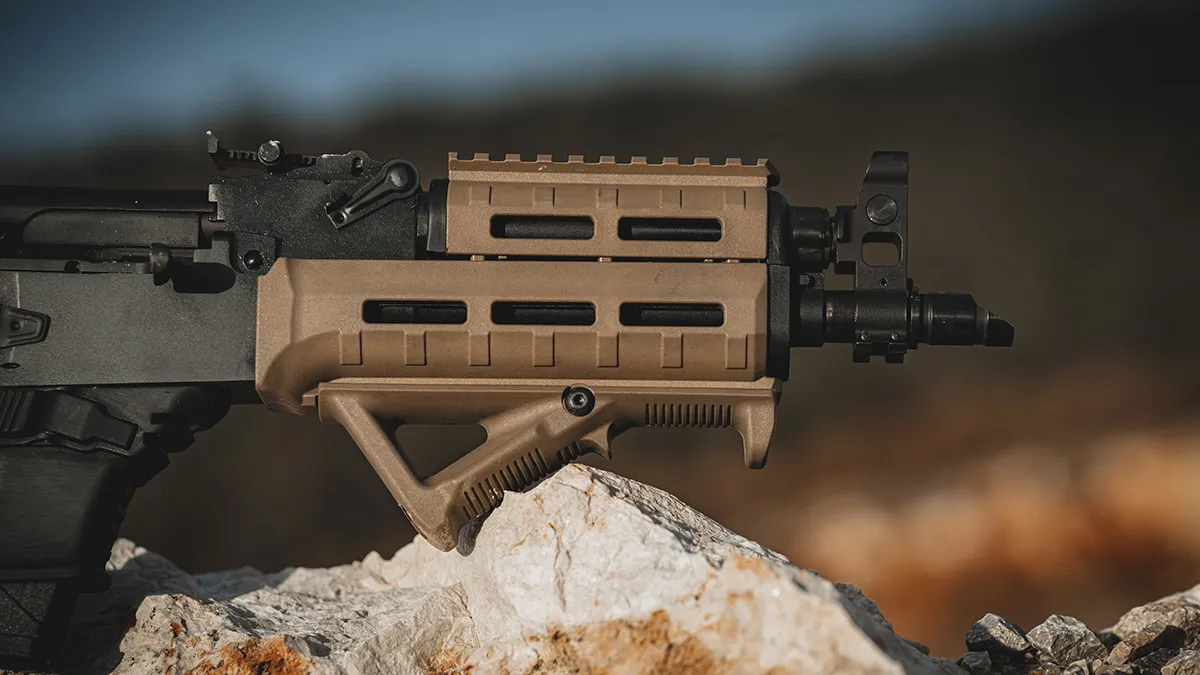
M-LOK (Modular Lock) is a negative-space accessory attachment interface originally developed by Magpul Industries and released as a free-licensed standard for the firearms industry. The system replaces traditional full-length Picatinny rail profiles with a series of elongated slots cut directly into the handguard wall. Accessories mount by engaging a T-shaped lug through the slot and rotating it to create a positive mechanical lock behind the handguard surface. This approach eliminates the weight, bulk, and sharp edges associated with continuous Picatinny rail coverage while providing secure, repeatable accessory mounting at any slot location.
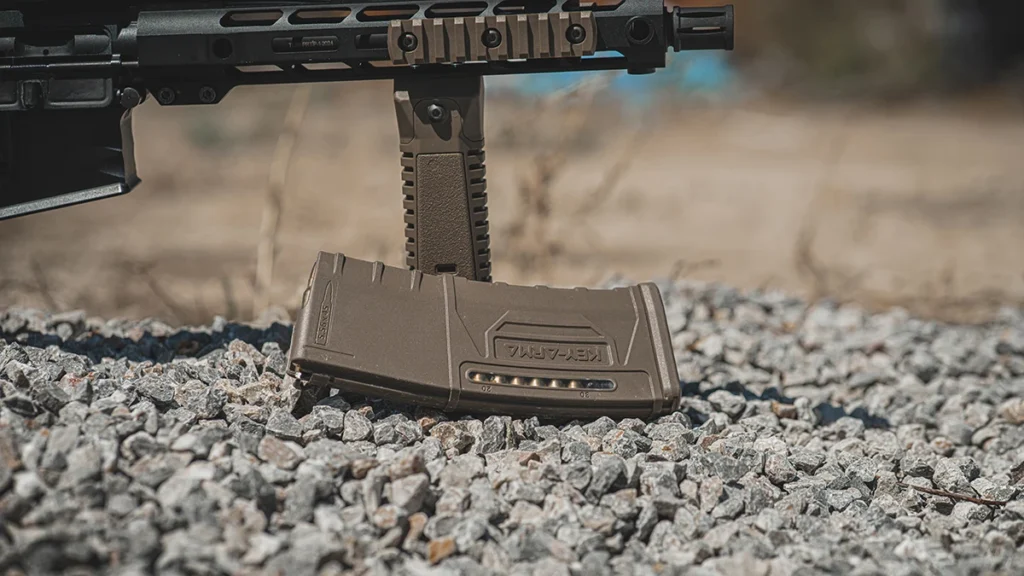
For handguard manufacturers, the M-LOK standard defines critical parameters: slot dimensions, spacing intervals, wall thickness requirements at the slot perimeter, and the engagement geometry that determines how securely accessories attach. We engineer every handguard in our product line to comply precisely with these dimensional specifications, ensuring that M-LOK compatible foregrips, rail sections, light mounts, sling attachments, and other accessories from any qualified manufacturer achieve reliable engagement and lockup when installed on our handguards.
Free-Float vs. Drop-In Handguard Configurations
We manufacture M-LOK handguards in two fundamental configurations, free-float and drop-in, each serving different platform requirements and performance objectives. The choice between configurations has a direct and measurable impact on weapon accuracy, thermal behavior, and accessory mounting stability.
Free-Float Handguards
Free-float handguards attach to the weapon exclusively at the barrel nut or upper receiver extension, with no contact between the handguard body and the barrel along its length. This isolation eliminates barrel deflection caused by handguard contact pressure, which is one of the primary sources of point-of-impact shift in conventionally mounted handguard systems. When an operator applies forward pressure on the handguard, rests the weapon on a barricade, or mounts accessories that add weight at specific positions, a free-float design ensures that none of these forces transfer to the barrel.
Our free-float M-LOK handguards are manufactured with precision barrel nut interfaces that deliver consistent concentricity with the bore axis. The mounting system is engineered for secure, repeatable installation with documented torque specifications. Handguard tube rigidity is controlled through wall thickness, cross-sectional geometry, and material selection to ensure that the handguard maintains its dimensional form under operational loads without transmitting those loads to the barrel assembly. For institutional programs where shot-to-shot consistency and point-of-impact stability are critical performance requirements, free-float handguards represent the engineering baseline.
Drop-In Handguards
Drop-in handguards install using the weapon’s existing retaining hardware, typically a delta ring or handguard retainer assembly, and make contact with both the upper receiver and the front sight base or gas block. This configuration allows handguard replacement without specialized tools, barrel nut modifications, or changes to the weapon’s gas system. Drop-in M-LOK handguards provide the M-LOK accessory interface to weapon systems that retain factory barrel configurations, making them a practical upgrade path for institutional fleets where complete upper receiver modification is not authorized or budgeted.
We engineer our drop-in M-LOK handguards with internal geometry optimized for the specific weapon platform. Retention surfaces are designed for secure engagement with the retaining hardware, internal clearances accommodate gas tube routing and barrel profiles, and the overall fit eliminates play or rattle that would compromise weapon handling characteristics. While drop-in configurations do not provide the barrel isolation benefits of free-float designs, they deliver the full M-LOK accessory mounting capability within a simpler installation envelope.
Thermal Management in M-LOK Handguard Design
Thermal management is one of the most critical and technically demanding aspects of handguard engineering. During sustained fire, barrel temperatures can reach levels that make direct contact painful or dangerous, and the handguard must manage this thermal energy to maintain operator safety and accessory mounting stability. We approach thermal management as a core engineering discipline, not an afterthought.
Heat Dissipation Through Ventilation Design
The M-LOK slot pattern itself contributes to thermal management by providing ventilation openings along the handguard length. However, effective heat dissipation requires more than slot placement. We engineer the slot array, supplementary ventilation features, and internal airflow paths to promote convective cooling across the handguard surface and internal barrel cavity. The balance between ventilation area and structural integrity is carefully controlled so that thermal performance does not compromise the handguard’s load-bearing capability or dimensional stability.
Material Thermal Properties
Material selection directly influences how quickly heat transfers from the barrel environment through the handguard wall to the external surface where the operator’s hands and mounted accessories are positioned. Our aluminum handguards are engineered with wall thicknesses and alloy selections that balance heat conduction rates with structural requirements. In free-float configurations, the air gap between the barrel and the inner handguard wall provides an additional insulating barrier, and we optimize the internal diameter to maximize this thermal buffer zone while maintaining a practical external profile for weapon handling.
Dimensional Stability Under Thermal Cycling
Repeated heating and cooling cycles can cause cumulative dimensional changes in handguard components if materials and manufacturing processes are not properly controlled. We validate our handguard designs through thermal cycling protocols that simulate sustained fire conditions, confirming that M-LOK slot dimensions, barrel nut interface geometry, and overall handguard straightness remain within specification after extended thermal exposure. This validation is essential for institutional buyers who need assurance that handguard performance and accessory compatibility will not degrade over the weapon system’s service life.
Material Engineering for M-LOK Handguards
Handguards occupy a uniquely demanding position in the weapon system. They must provide structural rigidity for accessory mounting, resist impact and abrasion during field operations, manage thermal energy from sustained fire, maintain dimensional precision across temperature extremes, and do all of this while contributing minimal weight to the overall weapon package. Our material engineering program addresses these competing requirements through disciplined alloy selection and process control.
Aerospace-Grade Aluminum Alloys
Our M-LOK handguards are manufactured from aerospace-grade aluminum alloys selected for their combination of strength, stiffness, corrosion resistance, and machinability. The alloy grade is chosen based on the specific handguard design’s load profile and manufacturing method. Extruded and machined handguard profiles leverage the directional strength characteristics of the working process, while the alloy’s fatigue resistance ensures that repeated mechanical loading from accessory mounting, operational handling, and weapon firing does not initiate crack propagation at stress concentration points such as M-LOK slot corners.
Surface Treatment and Corrosion Protection
All aluminum handguards receive anodized surface treatment for corrosion resistance, wear protection, and consistent surface appearance. The anodizing process builds a hard oxide layer that resists scratching, abrasion, and chemical attack from cleaning solvents, lubricants, and environmental exposure. Color-matched anodizing is available for program-specific requirements, and the process parameters are controlled to ensure that the oxide layer thickness falls within the specified range for both protective performance and dimensional compliance at the M-LOK slot interface.
Reinforced Polymer Handguard Options
For applications where weight reduction, thermal isolation, or cost optimization are primary drivers, we produce M-LOK handguards from fiber-reinforced polymer compounds. Our polymer handguards deliver lower thermal conductivity than aluminum alternatives, providing inherent heat isolation between the barrel environment and the operator’s hands. The polymer compound is formulated for structural rigidity under accessory loads, impact resistance during dynamic weapon handling, and dimensional stability across the operational temperature range. Polymer handguards serve institutional programs that prioritize lightweight configurations, particularly for patrol rifles, training weapon systems, and applications where extended carry weight is a significant operational consideration.
Accessory Mounting Precision and M-LOK Slot Engineering
The handguard’s primary functional role in the M-LOK ecosystem is to provide the mounting surface for the full range of weapon accessories. The precision of every M-LOK slot directly determines how securely accessories attach, how consistently they return to position after removal and reinstallation, and how well they resist loosening under the vibration and recoil forces generated during firing.
We control M-LOK slot dimensions through precision tooling and in-process measurement protocols. Slot width, length, corner radius, and wall thickness at the slot perimeter are all critical parameters that affect T-nut engagement, rotation clearance, and clamping force distribution. Every production batch is validated against reference gauges to confirm that slot geometry falls within the tolerance window specified by the M-LOK standard. This dimensional discipline ensures that accessories from any M-LOK compatible manufacturer will mount securely and predictably on our handguards, which is a critical requirement for institutional buyers who source handguards and accessories from different suppliers within the same weapon program.
AR-15 and AK Platform Compatibility
We manufacture M-LOK handguards for both the AR-15 platform family and AK platform variants, recognizing that institutional buyers frequently manage mixed weapon fleets and benefit from accessory standardization across platforms.
AR-15 Platform Handguards
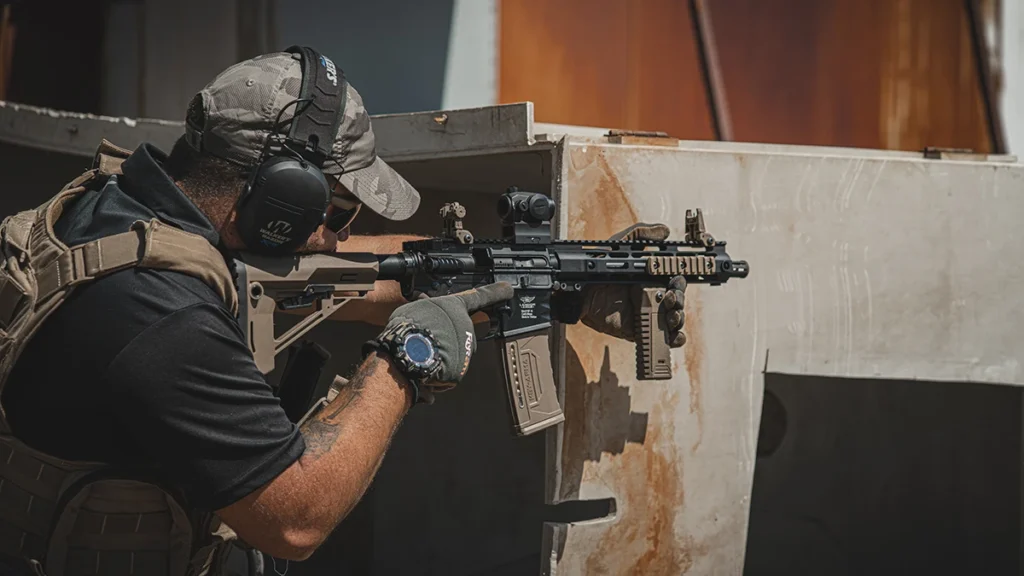
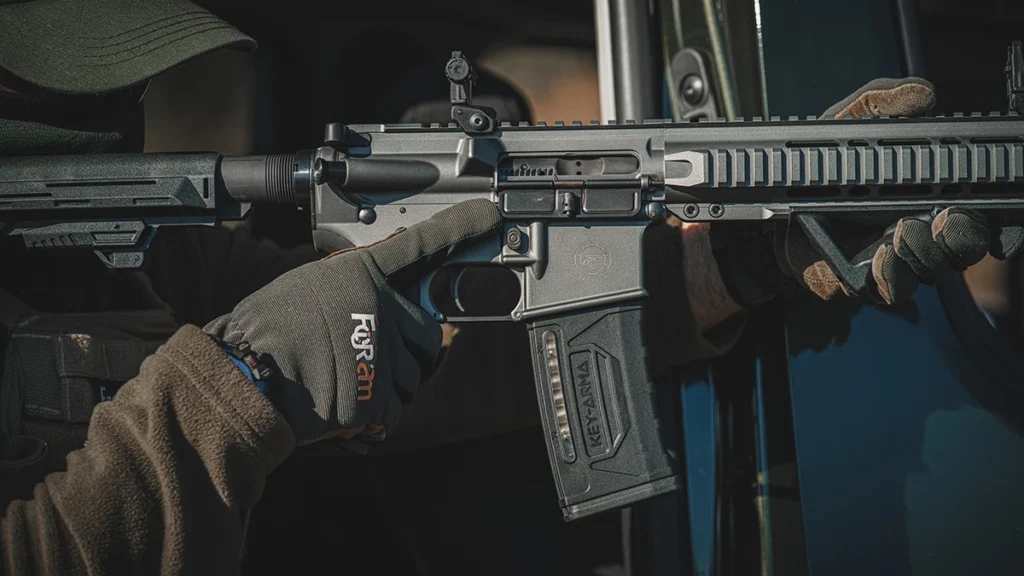
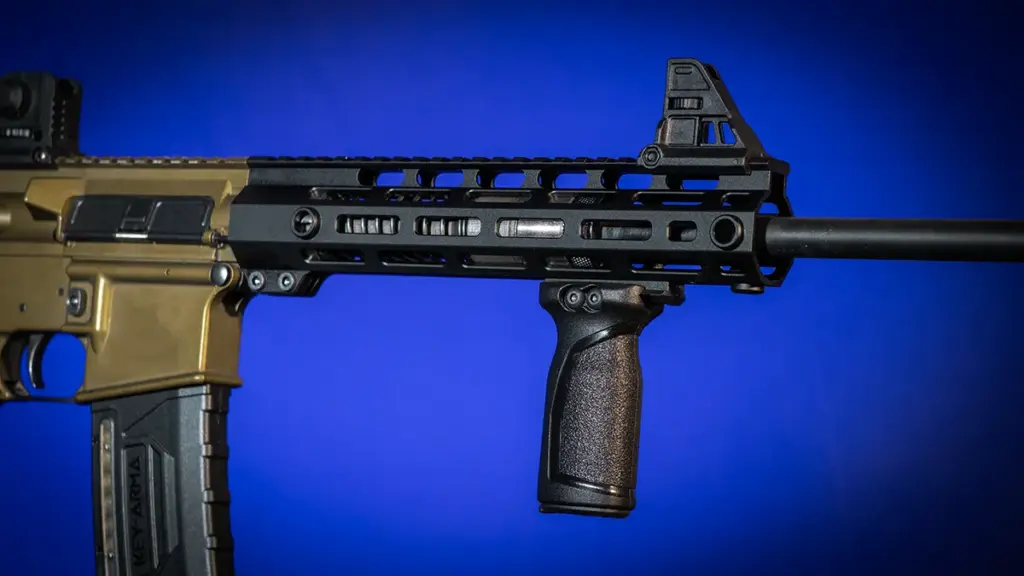
The AR-15 platform’s widespread adoption of the M-LOK standard has made M-LOK handguards the default configuration for modern AR-15 builds. We produce AR-15 M-LOK handguards in multiple length options aligned with common barrel lengths and gas system configurations. Barrel nut interfaces are engineered for specific AR-15 upper receiver thread specifications, and internal diameters accommodate both standard and suppressor-ready barrel profiles. Our AR-15 handguard line includes both slim and full-diameter profiles, allowing institutional buyers to select the configuration that best matches their operational requirements and ergonomic preferences.
AK Platform Handguards
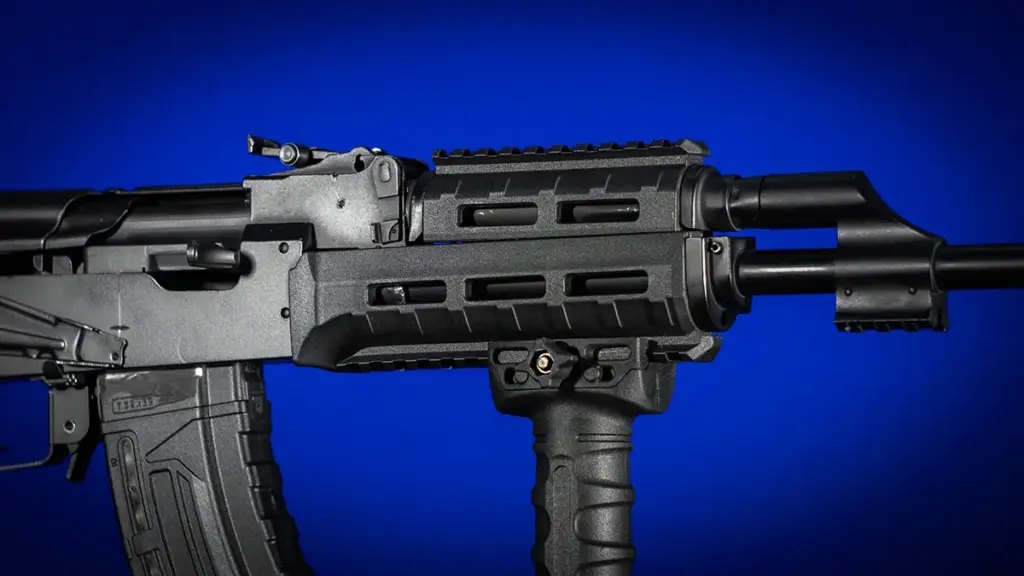
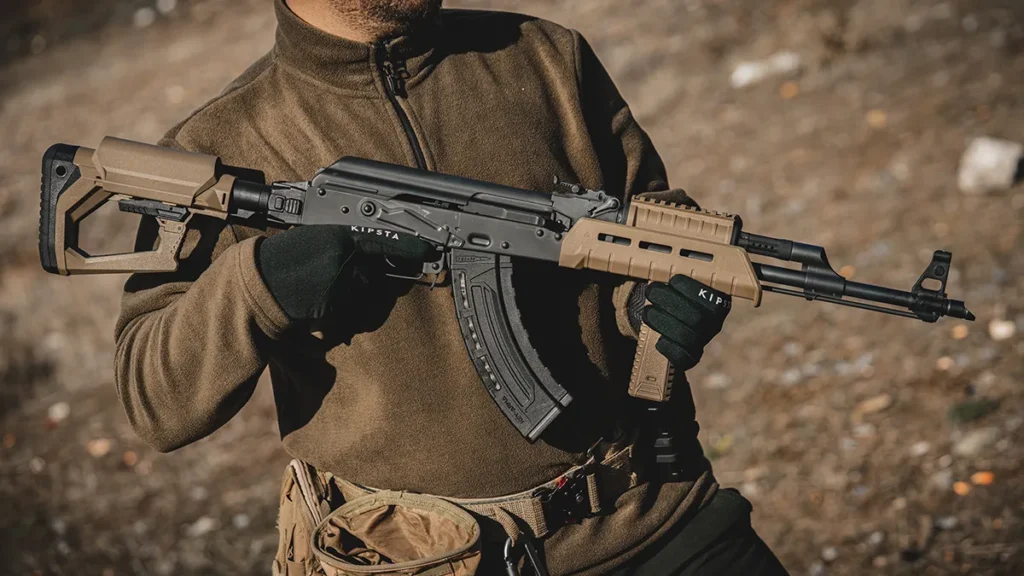
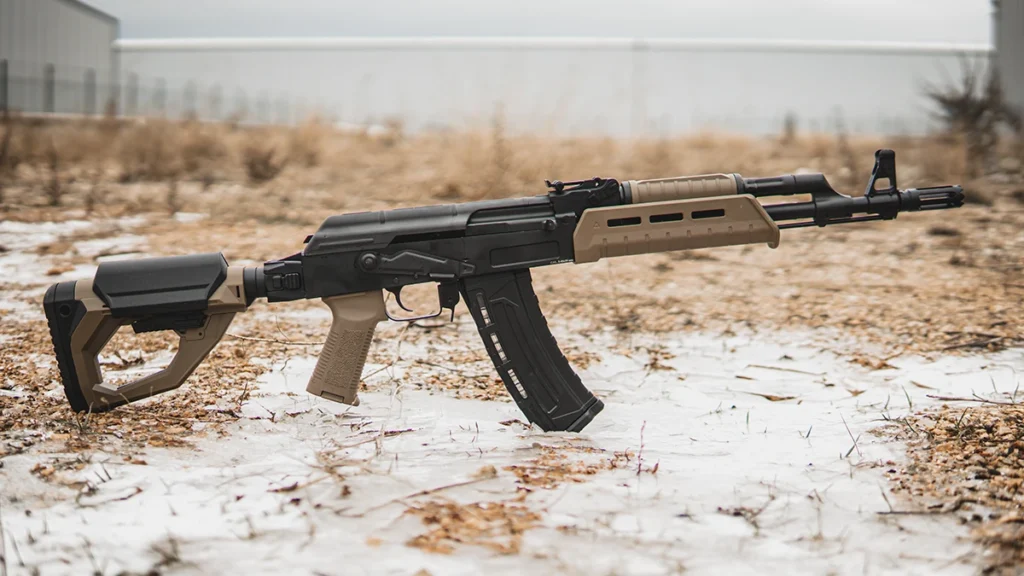
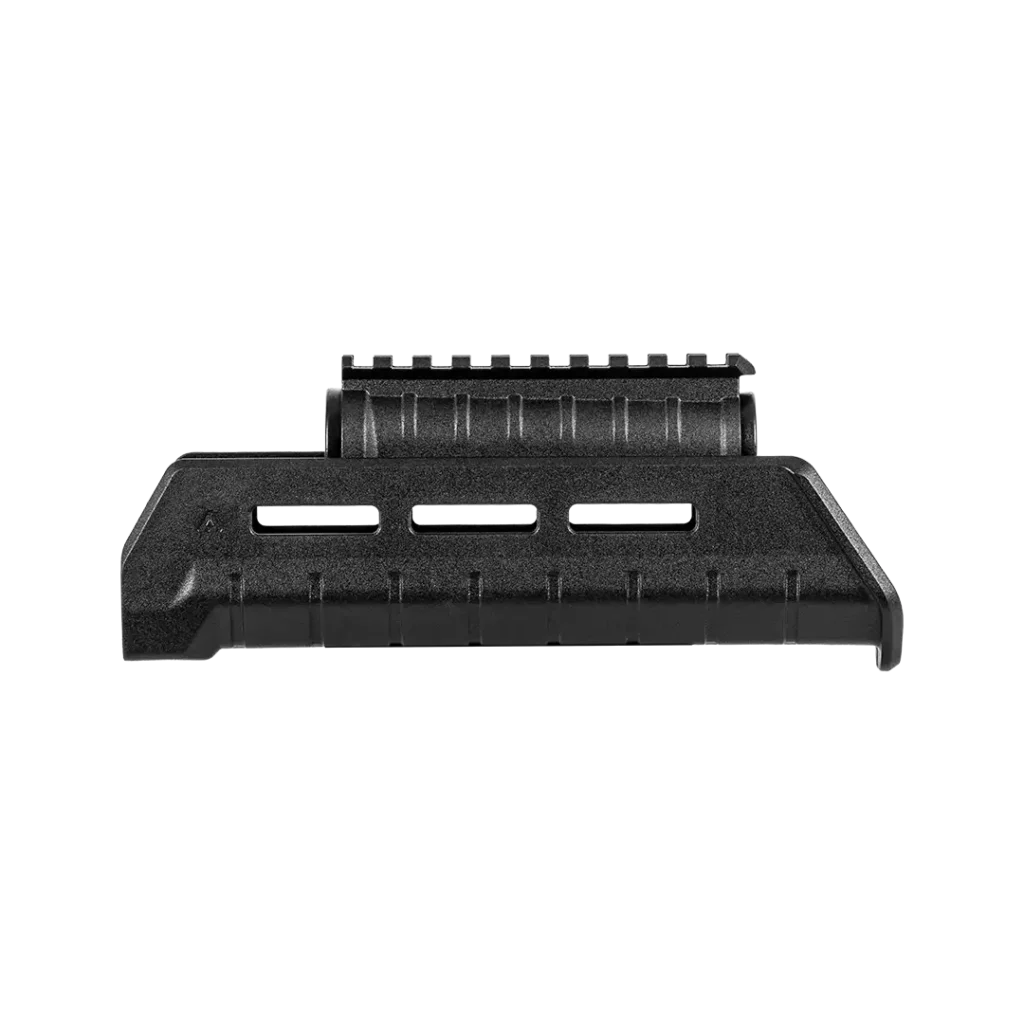
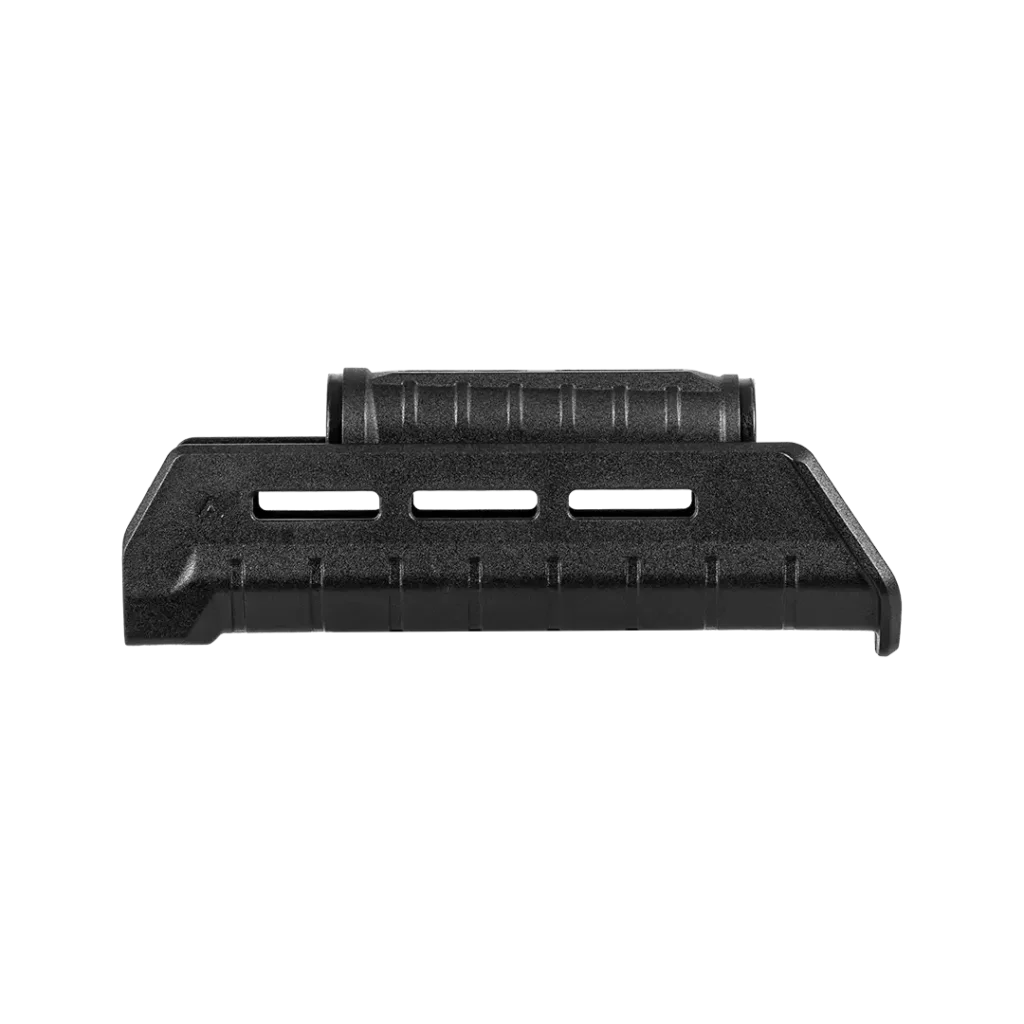
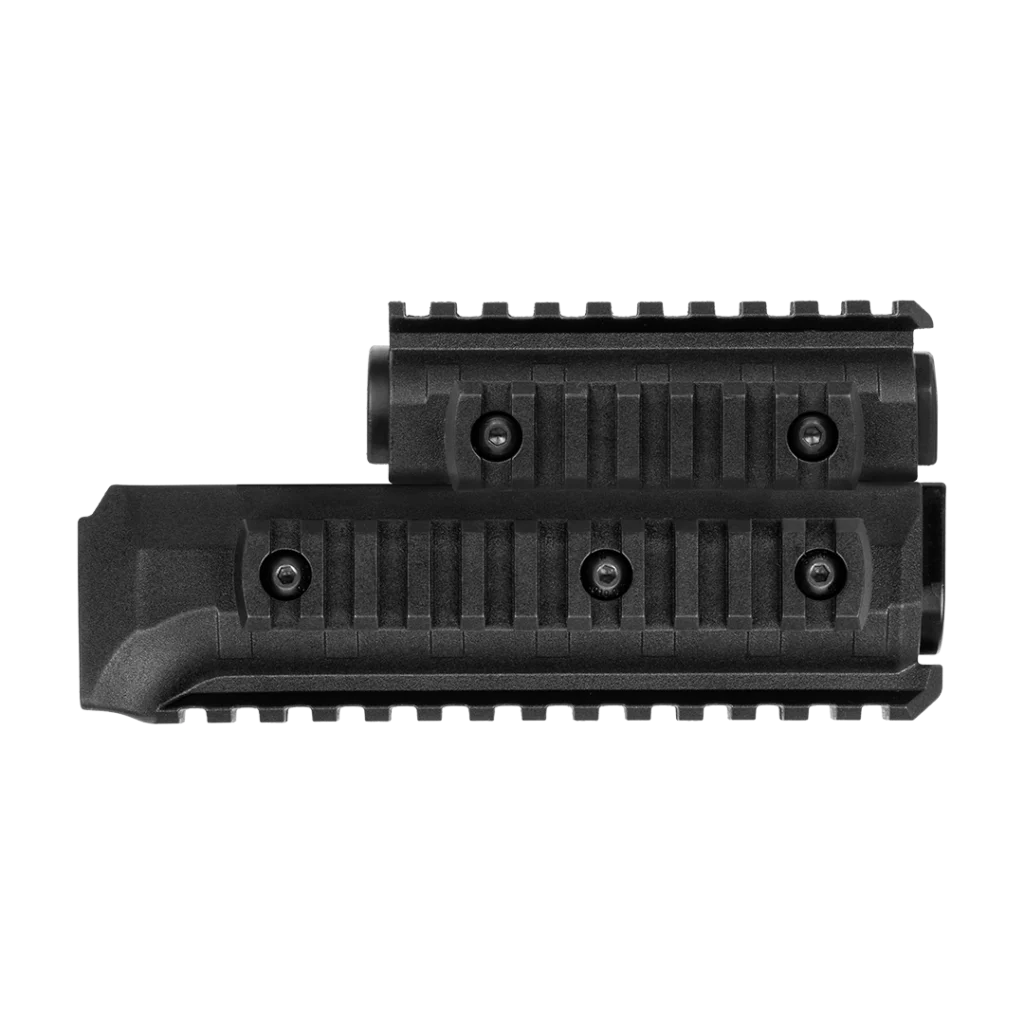
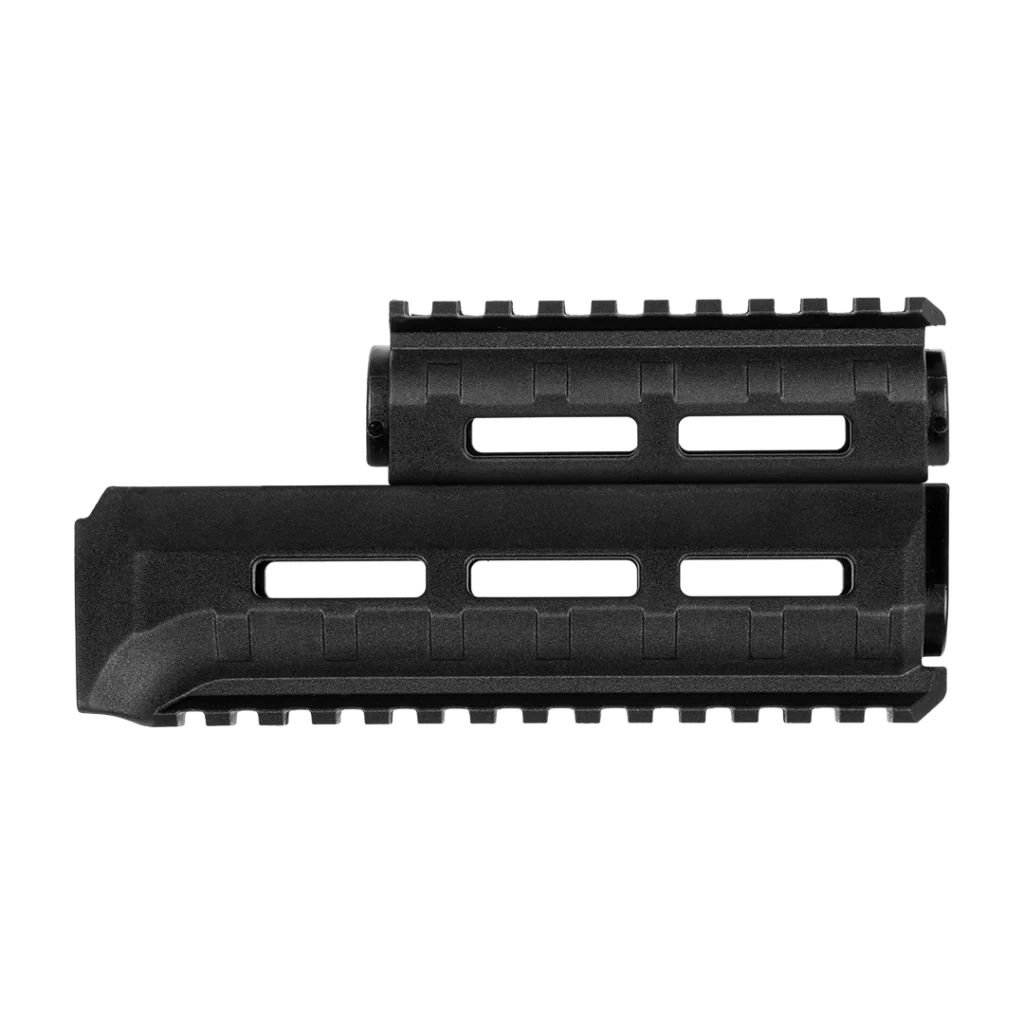
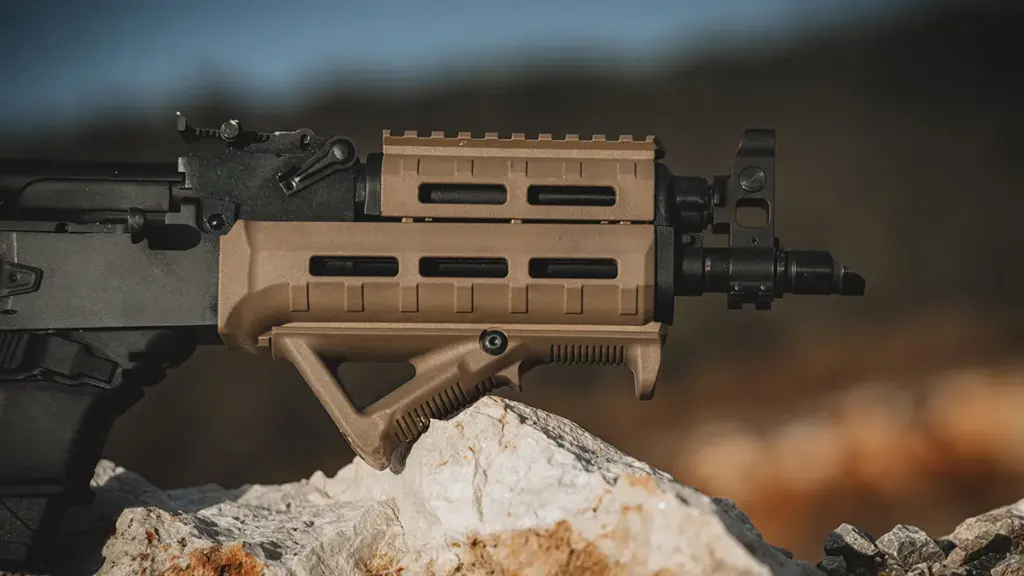
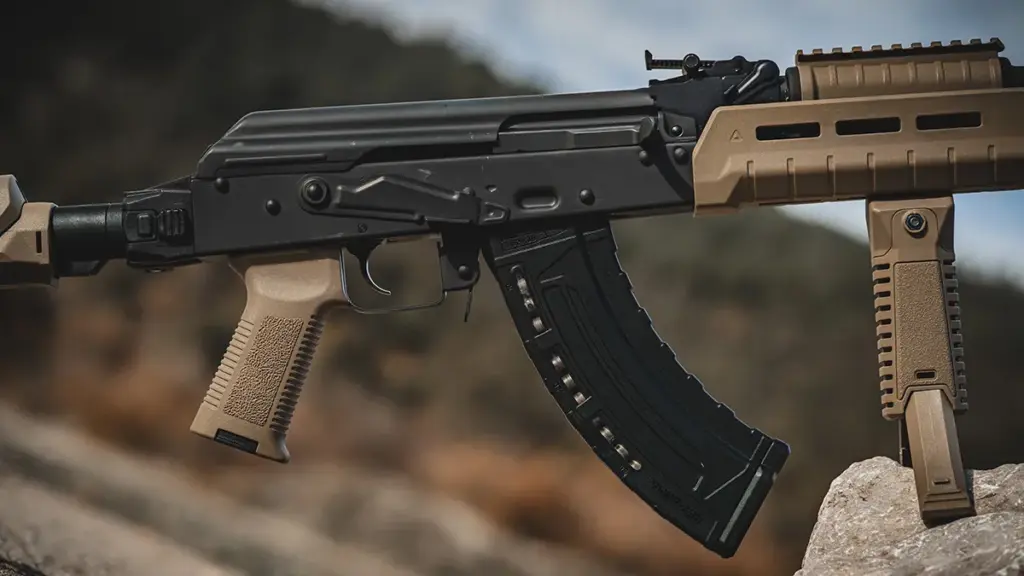
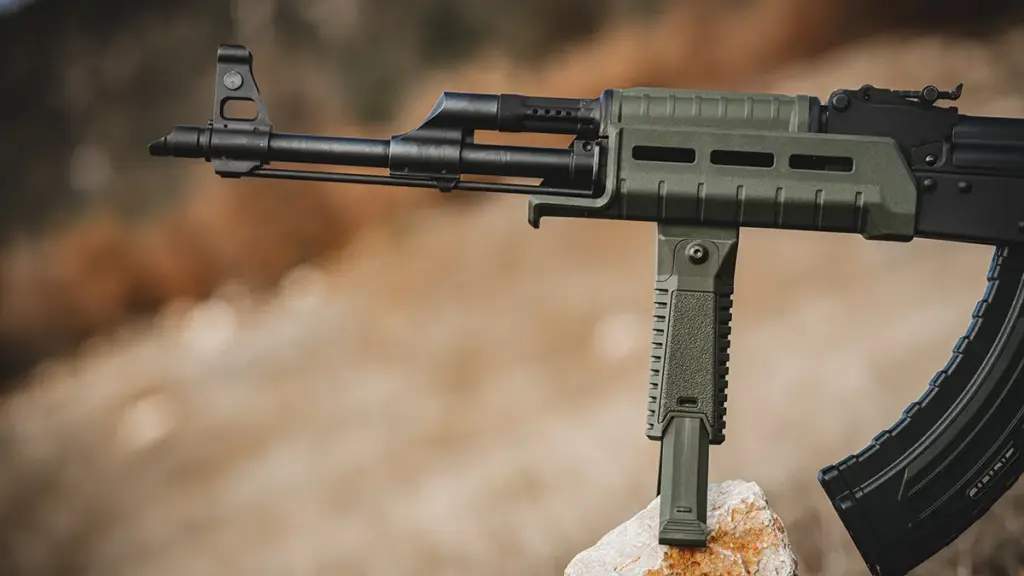
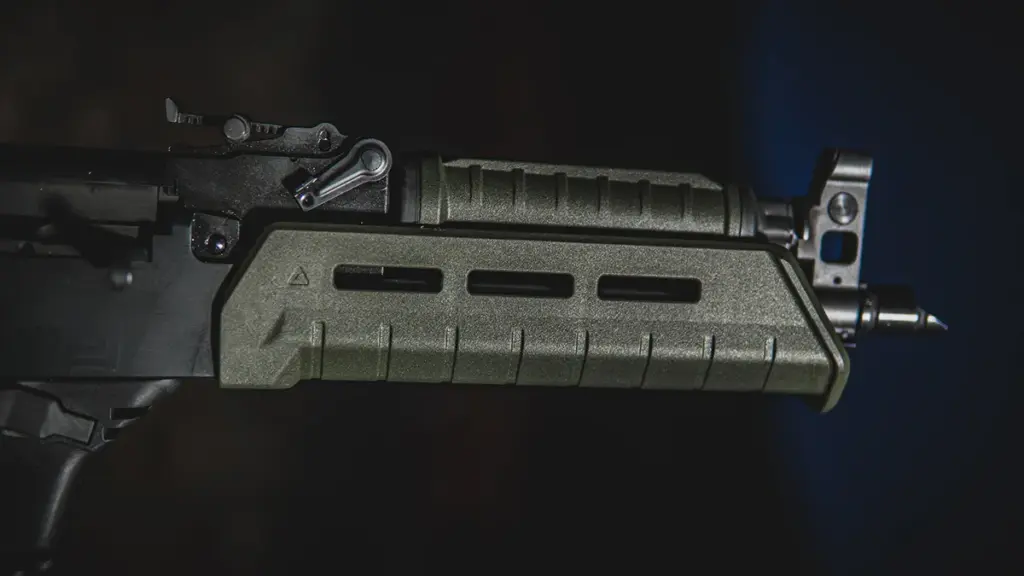
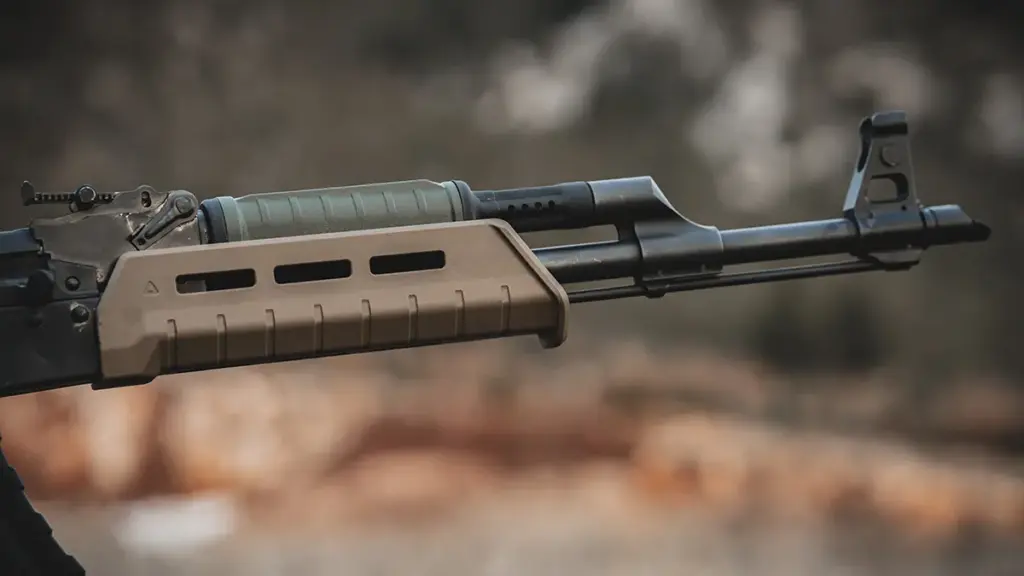
The AK platform presents unique handguard engineering challenges due to its gas tube routing, barrel taper profile, and front sight base configuration. We manufacture AK M-LOK handguards designed around the specific dimensional and structural requirements of AK-47 and AK-74 variants. Installation interfaces are engineered for the AK’s existing retaining hardware, and internal geometry accommodates the gas tube and barrel profile without interference. For institutional AK modernization programs, our M-LOK handguards provide the full M-LOK accessory ecosystem to platforms that were originally designed around fixed wooden or polymer handguards with no accessory mounting capability.
OEM and Contract Manufacturing Capabilities
We serve as a contract manufacturing partner for organizations that require M-LOK handguards produced under their own brand identity, to program-specific dimensional requirements, or with custom feature sets aligned with particular weapon system configurations. Our OEM capabilities span the full production cycle from design support through series manufacturing.
OEM engagement begins with a structured specification review process. We align on dimensional requirements, material standards, surface treatment specifications, M-LOK slot configurations, barrel nut interface geometry, and documentation formats before production tooling is committed. This front-loaded technical alignment process ensures that prototype and qualification units accurately represent series production output, minimizing the risk of specification gaps between development and production phases.
Our production infrastructure supports qualification-phase volumes, pilot production runs, and sustained high-volume series manufacturing. Whether an OEM partnership involves a single handguard model or a complete accessory ecosystem spanning handguards, foregrips, pistol grips, buttstocks, buffer tubes, and magazines, we scale production while maintaining consistent quality output and predictable delivery schedules.
B2B-Focused Manufacturing and Procurement Model
Institutional handguard procurement involves requirements that extend well beyond product specifications. The procurement decision must account for supply chain reliability, batch-level documentation, revision control, and the manufacturer’s ability to sustain consistent supply over the lifecycle of a defense or law enforcement program. We have structured our B2B manufacturing model to address these institutional requirements comprehensively.
Institutional Procurement Process Support
We operate within procurement frameworks that include formal tenders, framework agreements, government-to-government supply contracts, and multi-year delivery schedules. Every production batch is accompanied by material certifications, dimensional inspection records, M-LOK slot gauge verification data, and full traceability documentation. Our B2B customers can integrate this documentation directly into their compliance and audit workflows without additional qualification overhead.
Program-Level Coordination
M-LOK handguards are frequently procured as part of weapon system modernization programs, initial fielding kits, or complete upper receiver assembly packages. We coordinate production timing, documentation formats, packaging configurations, and logistics with system integrators and prime contractors to ensure that handguard supply aligns with the broader program timeline. Handguard delivery is managed as a program-integrated element within the overall supply chain, not as a standalone component purchase.
Framework Agreements and Long-Term Supply Continuity
Defense and law enforcement programs require the ability to procure identical components years after initial qualification. We maintain tooling, material specifications, process parameters, and quality documentation for our M-LOK handguard product line so that repeat orders, even after significant time intervals, deliver the same dimensional accuracy, material properties, and quality baseline as the original qualification lot. For our B2B partners, this means program continuity without requalification cycles or specification drift.
Quality Control and Production Discipline
The performance and reliability of our M-LOK handguards depend directly on the quality control systems governing their production. We embed inspection and verification at every stage of the manufacturing process: incoming material certification verification, in-process dimensional checks during machining and forming operations, M-LOK slot geometry validation against reference standards, barrel nut interface dimensional verification, surface treatment thickness and adhesion testing, and finished-product functional fit testing on representative weapon platforms.
Batch consistency is monitored continuously across production runs. Every batch is traceable from raw material receipt through machining, surface treatment, assembly, inspection, and final packaging. M-LOK interface engagement is functionally tested on representative handguard-to-accessory pairings to verify cross-manufacturer compatibility for every production lot. Barrel nut torque testing confirms that the mounting interface achieves specified clamping force without thread deformation or concentricity deviation. If your program requires specific acceptance testing protocols, enhanced inspection criteria, or third-party inspection access, we accommodate these requirements as part of our standard operating procedures.
Why Choose Us as Your M-LOK Handguard Manufacturer
Selecting an M-LOK handguard manufacturer for institutional programs requires confidence in engineering precision, thermal management capability, and long-term supply reliability. We deliver handguards manufactured with aerospace-grade materials, precision M-LOK slot engineering validated to the mounting standard’s dimensional requirements, and thermal management designs that maintain operator safety and accessory stability during sustained fire conditions.
Our free-float and drop-in configurations address the full range of platform requirements across AR-15 and AK weapon families. Every handguard is produced under the same quality discipline, batch traceability, and institutional procurement support framework that defines our approach to defense manufacturing. If your organization is evaluating a capable M-LOK handguard manufacturing partner for current or upcoming programs, we are prepared to engage through technical review, sample evaluation, and formal qualification processes. Our commitment is to deliver components that perform as specified, on schedule, and with full traceability, for every order and every program year.
Gallery
Contact Us for OEM and B2B Cooperation
If you are sourcing a qualified M-LOK handguard manufacturer for OEM production, contract manufacturing, or institutional procurement, contact us with your specifications.
Email: [email protected]
Email: [email protected]
WhatsApp: +90 537 467 65 18
Phone: +90 332 500 00 84
Contact Page