



M-LOK Bipod Üreticisi
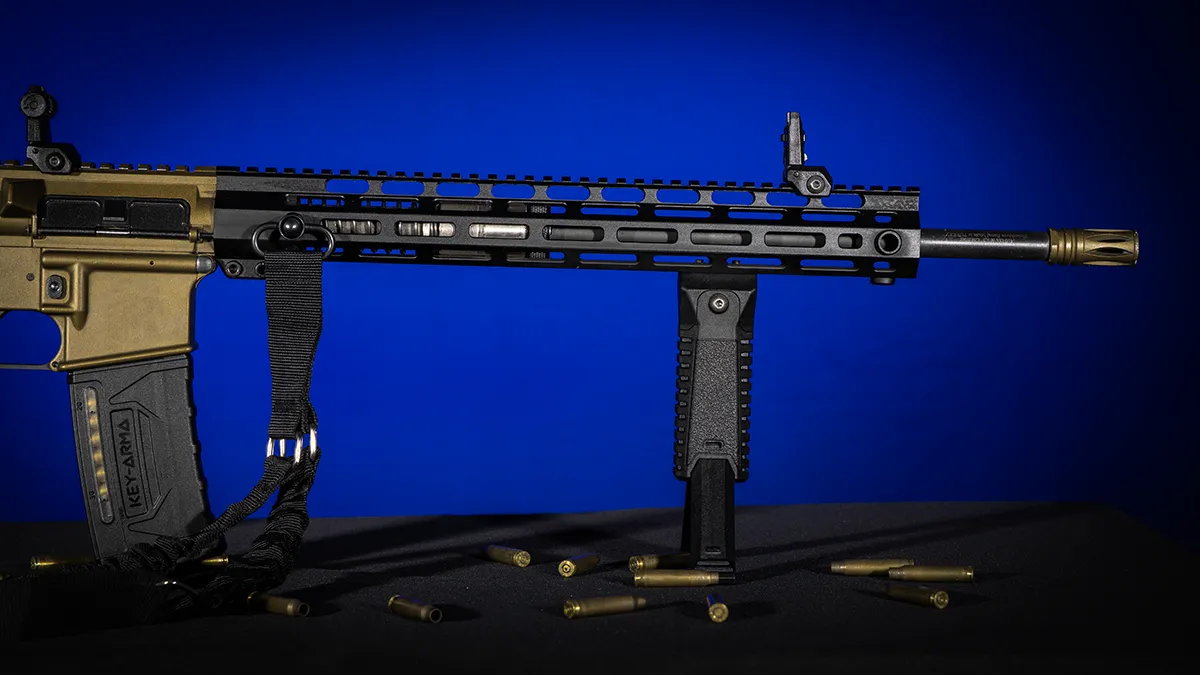
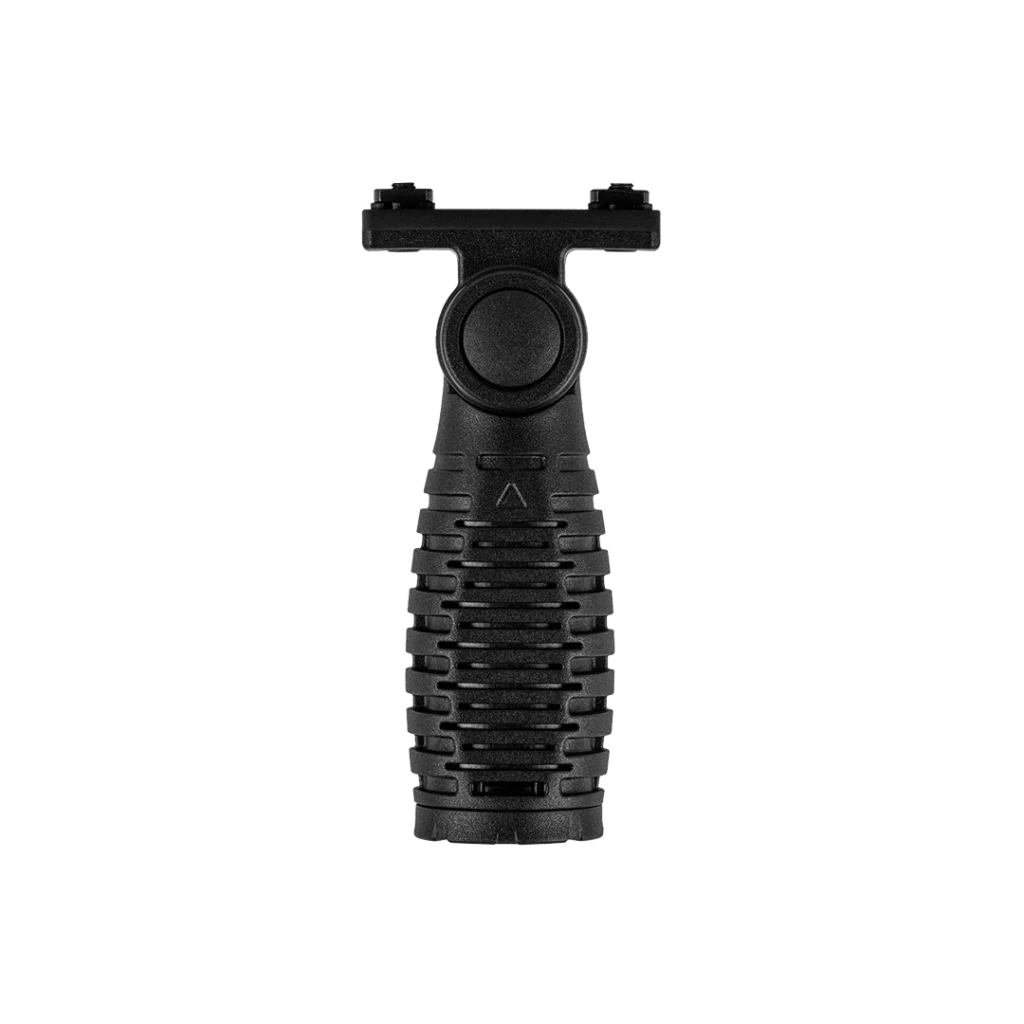
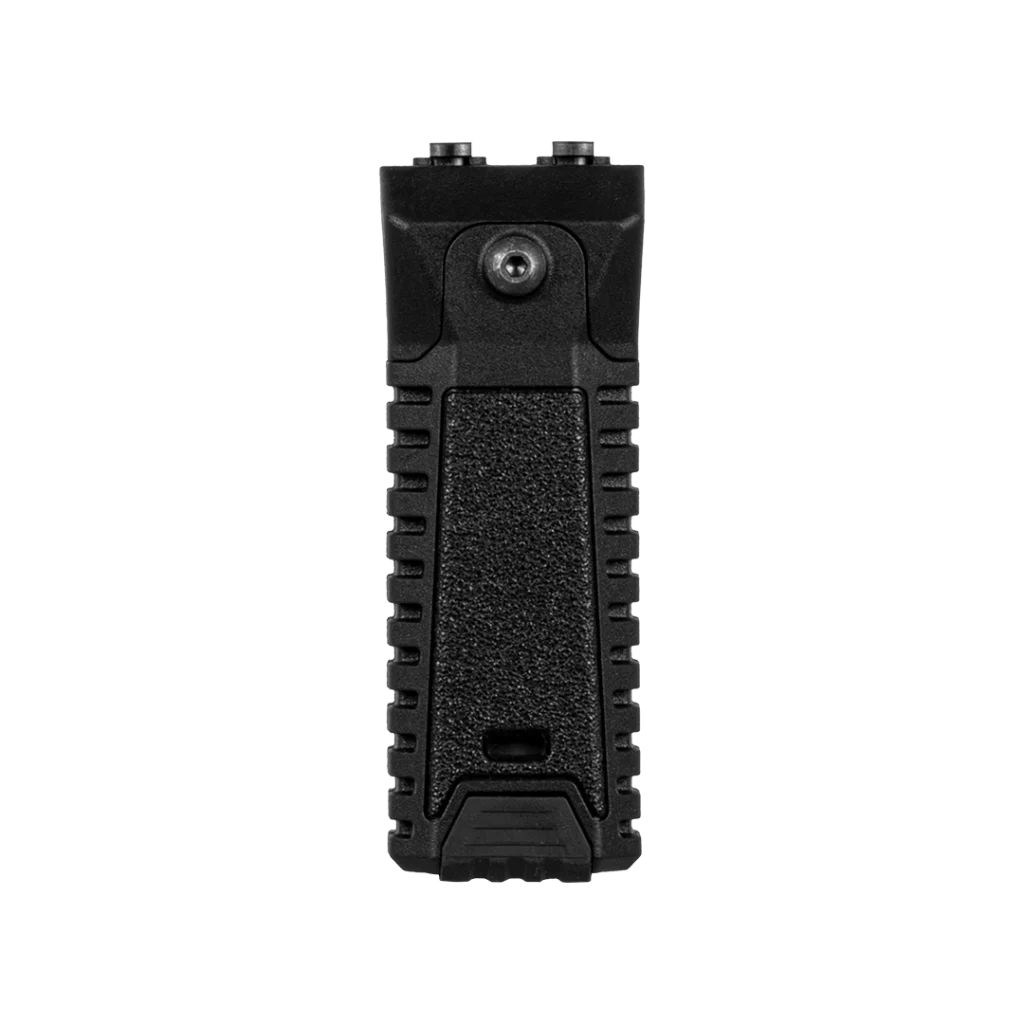
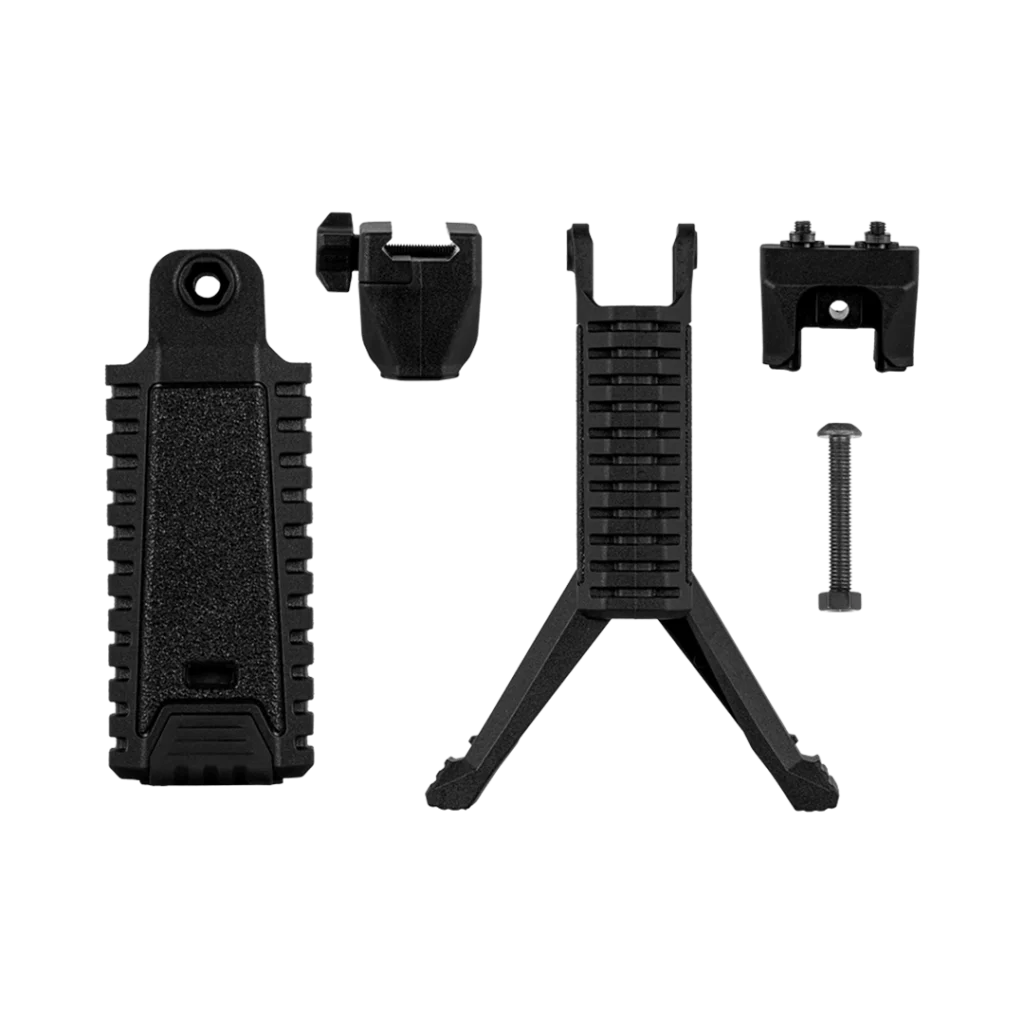
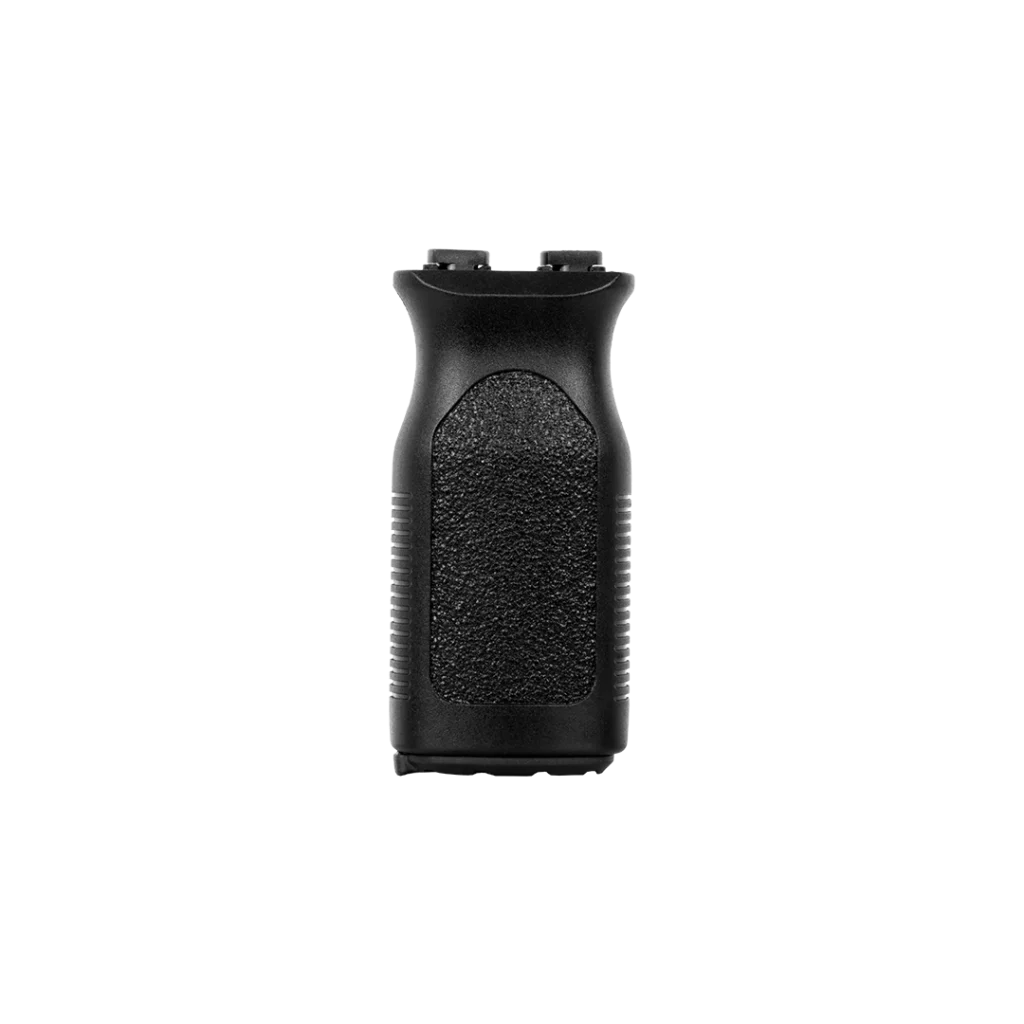
As a dedicated M-LOK bipod manufacturer, we design and produce weapon stabilization bipods engineered specifically for the M-LOK mounting interface, serving defense contractors, system integrators, law enforcement agencies, and institutional procurement programs worldwide. At Key-Arma, M-LOK bipod manufacturing is not about producing generic stabilization accessories for retail distribution. It is about delivering precision-engineered bipod systems that meet the structural, mechanical, and operational standards required by professional end users conducting precision shooting operations in demanding field environments.
Our manufacturing model is built exclusively around OEM and B2B cooperation. We do not produce for consumer retail or direct-to-shooter distribution channels. Every bipod we manufacture is designed, tested, and produced for organizations that require documented quality assurance, batch-level traceability, and the ability to source identical components across multi-year weapon system programs. Our M-LOK bipod product line addresses the full spectrum of weapon stabilization requirements, from designated marksman rifle configurations to squad-level support weapon platforms, all built around the M-LOK slot interface standard that has become the dominant accessory mounting system across modern weapon platforms.
The Role of Bipods in Precision Shooting and Weapon Stabilization
Bipods are among the most functionally critical accessories mounted to a weapon system. Unlike aesthetic or ergonomic accessories, a bipod directly affects the shooter’s ability to deliver accurate fire at extended ranges and to maintain consistent point of aim during sustained engagements. The bipod provides a stable, repeatable support platform that decouples the weapon’s aiming stability from the operator’s physical endurance and body position, enabling precision shot placement that would be difficult or impossible from unsupported positions.
For institutional applications, bipod performance is measured by more than simple height adjustment and leg deployment. The complete stabilization system must deliver consistent cant and pan behavior, vibration isolation during the firing cycle, repeatable height positioning across deployment and stowage cycles, and structural integrity under the sustained recoil loads generated by high-volume precision fire. These are the engineering requirements that define our approach to M-LOK bipod manufacturing, and they inform every design, material, and process decision across our production program.
M-LOK Slot Interface Engineering for Bipod Mounting
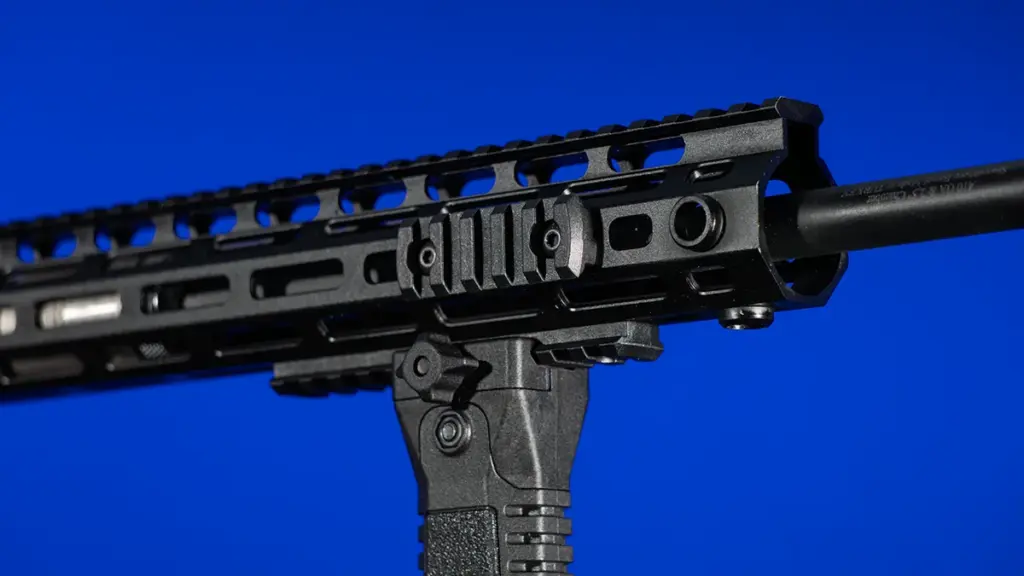
The M-LOK (Modular Lock) mounting standard uses a negative-space slot design cut into the handguard surface, allowing accessories to attach directly without the need for Picatinny rail segments. The system relies on a T-nut and screw mechanism that engages with elongated slots in the handguard. When tightened to the specified torque, the T-nut rotates 90 degrees behind the slot, creating a positive mechanical lock between the accessory and the handguard. For bipod applications, the quality of this interface is especially critical because the bipod mounting point must withstand the full combination of static weapon weight, dynamic recoil forces, and the lateral loads generated during positional adjustments.
We engineer our bipod mounting interfaces to comply precisely with M-LOK dimensional specifications, ensuring secure engagement with any M-LOK compatible handguard regardless of the handguard manufacturer. The mounting foot geometry is designed to distribute clamping force evenly across the handguard slot, preventing localized stress concentrations that could lead to handguard slot deformation or mounting instability over repeated deployment cycles. Our M-LOK bipod interface is validated for both single-slot and multi-slot engagement configurations, allowing compatibility across handguards with varying slot spacing and positioning.
Return-to-Zero Mounting Performance
For precision shooting applications, the bipod mounting interface must deliver consistent return-to-zero performance. This means that every time the bipod is removed and reinstalled, or every time the weapon is deployed from a stowed configuration, the bipod’s position relative to the bore axis must remain consistent. We achieve this through tight dimensional control of the M-LOK interface geometry, controlled surface finish parameters on all contact surfaces, and validated torque specifications that produce repeatable clamping force without hardware deformation.
Leg Deployment Mechanisms and Engineering
The leg deployment mechanism is the mechanical core of any bipod system. It must deliver smooth, reliable deployment under field conditions, maintain positive lockup in the extended position under recoil loads, and allow rapid stowage when the operational situation requires transition from supported to unsupported firing positions. We engineer our leg deployment systems with the mechanical robustness and operational reliability that institutional users require.
Spring-Loaded Deployment Systems
Our spring-loaded deployment mechanisms use calibrated spring elements that provide consistent deployment force throughout the operational life of the bipod. The spring system is designed to deploy legs positively and rapidly with single-hand actuation, even when the weapon is shouldered and the operator is maintaining visual contact with the target area. Spring rate selection balances rapid deployment force against the need for controlled, non-violent leg extension that does not generate noise or excessive movement during tactical deployment in close proximity to adversary positions.
Positive Lock Mechanisms
Once deployed, bipod legs must lock securely in the extended position and resist collapse under the combined weight of the weapon system and the dynamic forces generated during firing. Our positive lock mechanisms use detent-based engagement systems that provide tactile and audible confirmation of full lockup. The lock geometry is designed to resist both axial compression forces from weapon weight and the rearward force vector generated by recoil impulse during firing. Lock release is engineered to require deliberate operator input, preventing inadvertent leg collapse during weapon manipulation, position transitions, or incidental contact with obstacles and equipment.
Stowage and Transport Configuration
When not deployed, bipod legs must stow securely against the handguard or barrel assembly without rattling, snagging equipment, or interfering with weapon handling. Our stowage systems use spring-retention mechanisms that hold legs firmly in the folded position during transport, vehicle operations, and tactical movement. The stowed profile is designed to minimize added width and snag potential, preserving the weapon’s handling characteristics when the bipod is not actively in use.
Height Adjustment Systems
Height adjustment is a fundamental bipod function that allows the operator to adapt the weapon’s bore height to different shooting positions, terrain conditions, and engagement angles. We manufacture bipods with multi-stage height adjustment systems engineered for precise, repeatable positioning under field conditions.
Telescoping Leg Design
Our telescoping leg systems use precision-fitted inner and outer leg sections that extend smoothly without binding or lateral play. The telescoping interface is designed with controlled clearances that allow free extension and retraction while maintaining the structural rigidity needed to resist lateral deflection under recoil loads. Surface treatment of the telescoping contact areas provides lubricity for smooth operation while resisting wear and maintaining consistent fit across thousands of extension and retraction cycles.
Notched Indexing for Repeatable Height Settings
Institutional precision shooting applications require the ability to set bipod height to specific, repeatable positions. Our notched indexing system provides discrete height settings at calibrated intervals, allowing operators to set and verify leg extension by feel and by audible index clicks. Each height position is defined by a detent engagement that resists inadvertent height change under recoil forces and positional loading. The indexing system eliminates the ambiguity of infinitely adjustable friction-lock systems, ensuring that height settings are consistent between deployments and between different operators using the same bipod.
Cant and Pan Functionality
Advanced bipod configurations require cant and pan adjustment capability to allow the shooter to level the weapon on uneven terrain and to track targets across a lateral arc without repositioning the bipod base. We incorporate cant and pan mechanisms into our bipod designs where operational requirements demand this additional degree of adjustment freedom.
Our cant adjustment allows the weapon to be leveled across the roll axis when the bipod is deployed on sloped or uneven surfaces. The cant range is calibrated to cover the practical range of terrain angles encountered in field shooting positions. Pan adjustment provides limited traverse around the yaw axis, enabling the shooter to engage targets across a lateral arc without lifting and repositioning the bipod. Friction-controlled pan tension allows the shooter to set resistance appropriate to the engagement scenario, from free-tracking for rapid target acquisition to high-friction settings for stability during precision single-shot engagement.
Material Engineering for M-LOK Bipods
Material selection for M-LOK bipods must satisfy demanding and often competing requirements: structural rigidity to resist deflection under recoil, impact resistance during dynamic weapon handling and transport, fatigue resistance across thousands of deployment and firing cycles, corrosion resistance for sustained field exposure, and weight optimization to minimize the impact on overall weapon handling characteristics. We approach material engineering for our bipod line with the same discipline applied to any structural weapon component.
Aluminum Alloy Construction
Primary structural elements of our M-LOK bipods, including the mounting hub, leg assemblies, and height adjustment mechanisms, are manufactured from aerospace-grade aluminum alloys. These alloys deliver the strength-to-weight ratio required for bipod applications where structural rigidity must be achieved without excessive weight penalty. Our aluminum components are precision-machined from billet or forged stock, ensuring consistent material properties and dimensional accuracy across production batches. Surface treatment includes hard-coat anodizing for wear resistance, corrosion protection, and reduced reflectivity in tactical applications.
Reinforced Polymer Elements
Non-structural and ergonomic elements of our bipods, including foot pads, deployment actuators, and protective covers, are manufactured from fiber-reinforced polymer compounds. These components benefit from the polymer’s inherent vibration dampening characteristics, impact resilience, and thermal isolation properties. The polymer formulation is validated for operational temperature ranges from arctic to desert conditions and resists degradation from UV exposure, cleaning solvents, and petroleum-based lubricants. The combination of aluminum structural members and polymer functional elements achieves an optimized balance of structural performance and weight efficiency.
Weight Optimization
Every gram of bipod weight affects the overall weapon system’s handling balance and the operator’s fatigue during extended carry. Our design and material engineering process treats weight as a primary performance parameter, not a secondary consideration. Structural analysis identifies areas where material can be removed without compromising load-bearing capability, and material selection decisions balance strength requirements against density characteristics. The result is a bipod that delivers the structural performance required for institutional precision shooting applications at a weight that does not compromise the weapon system’s portability or handling agility.
Cross-Platform Compatibility
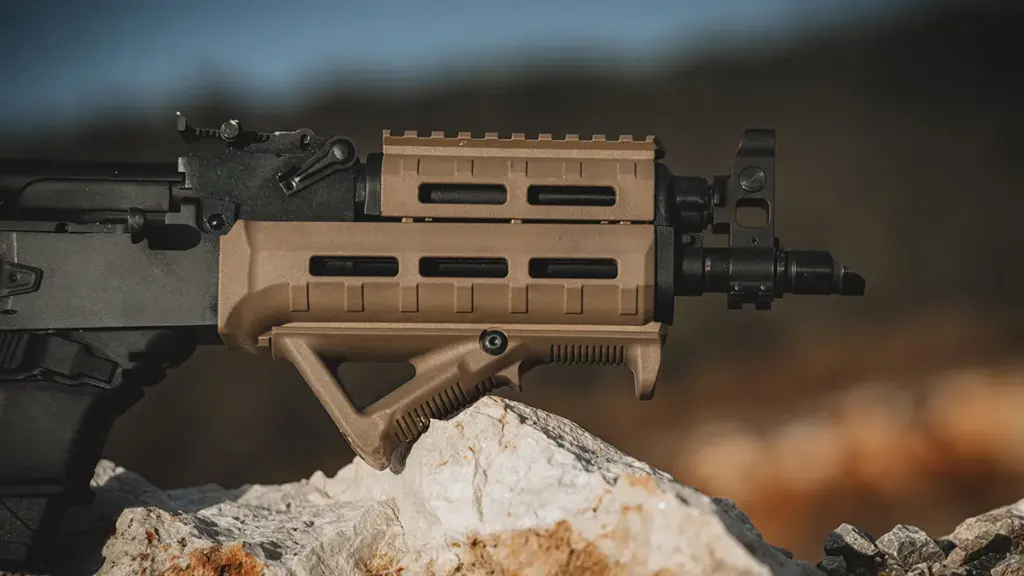
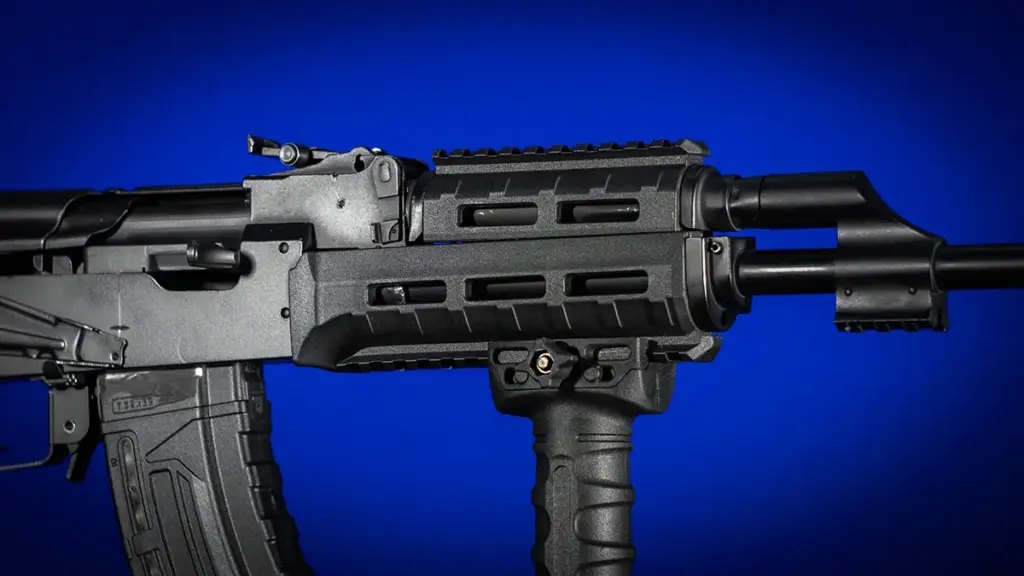
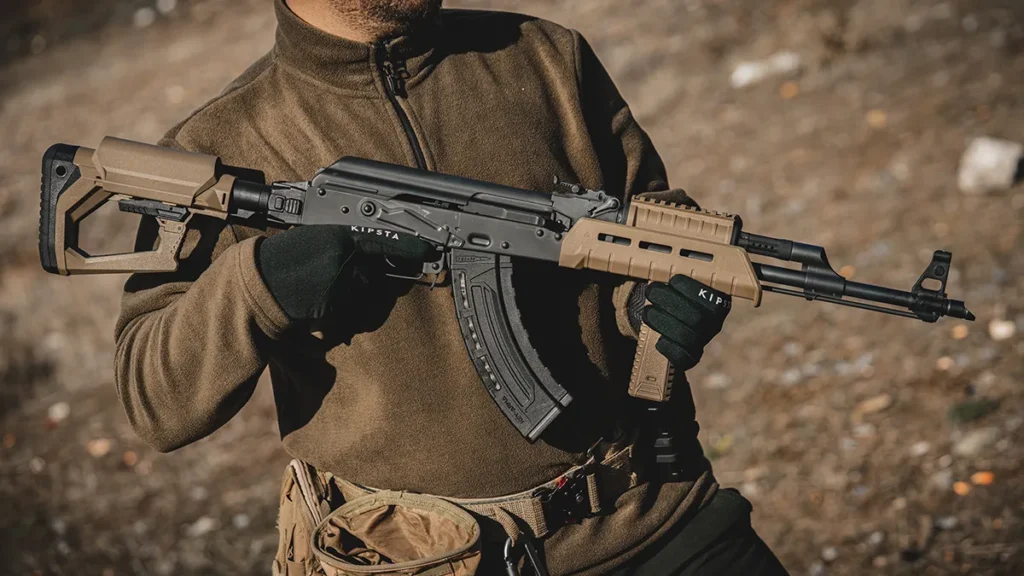
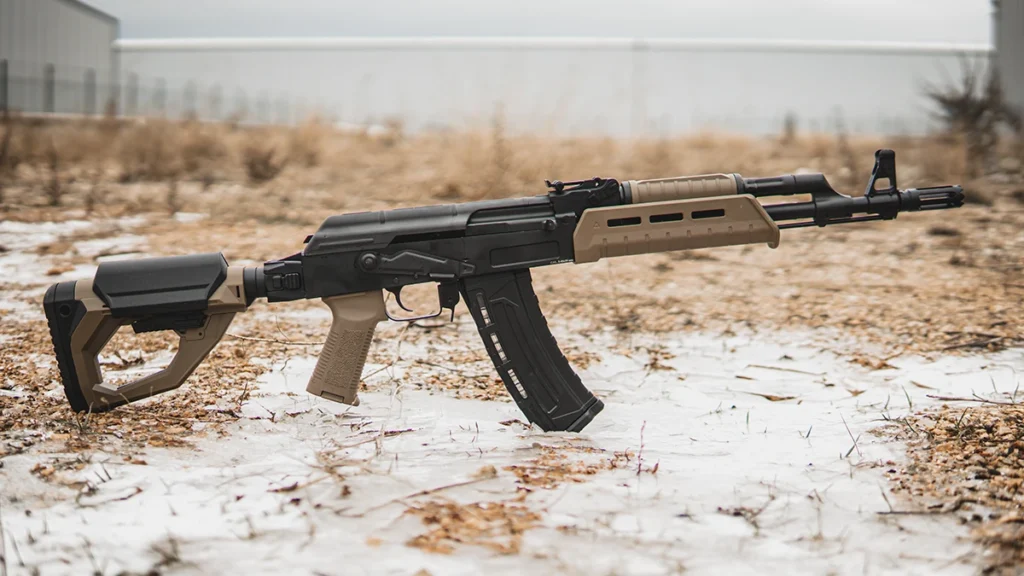
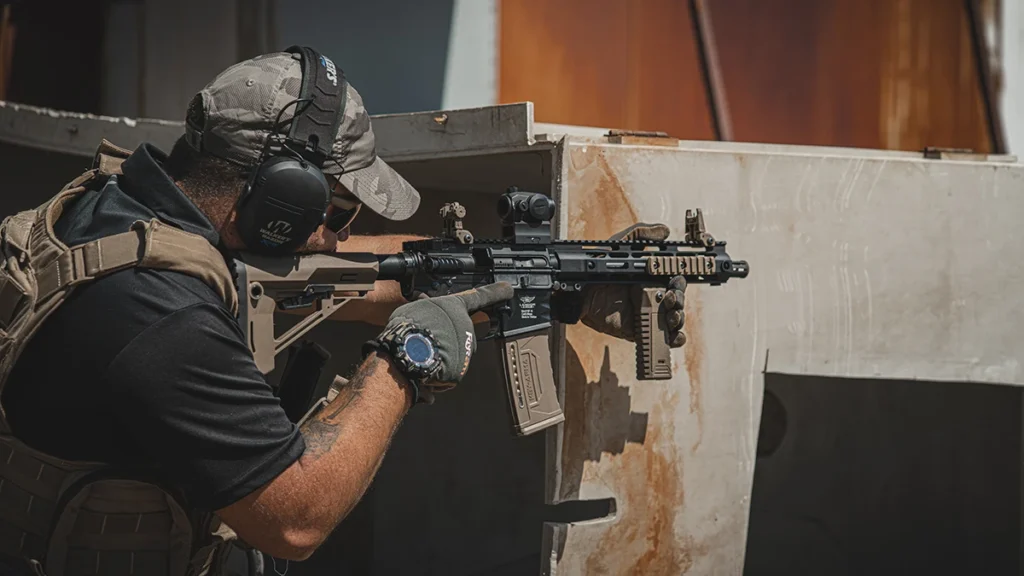
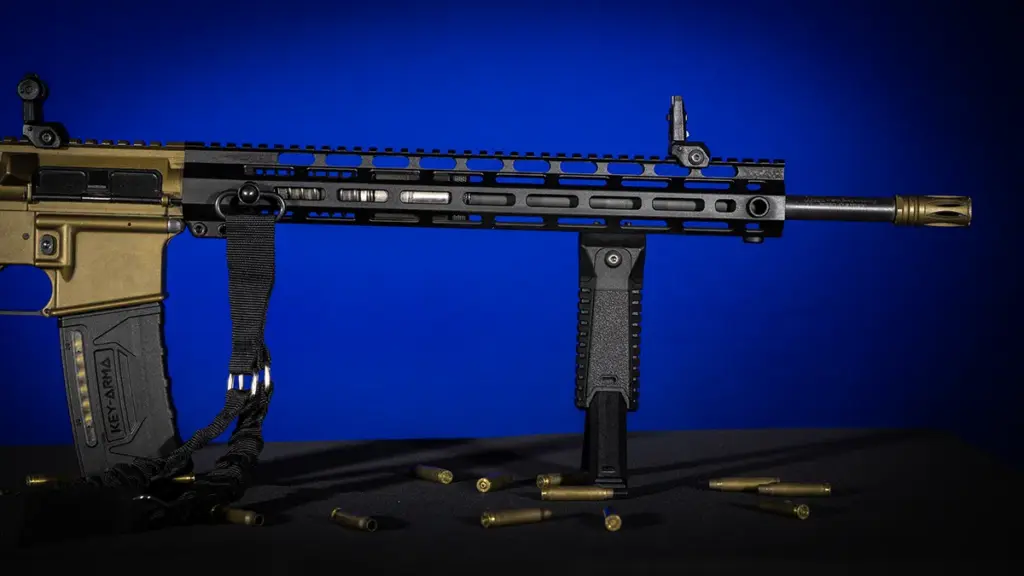
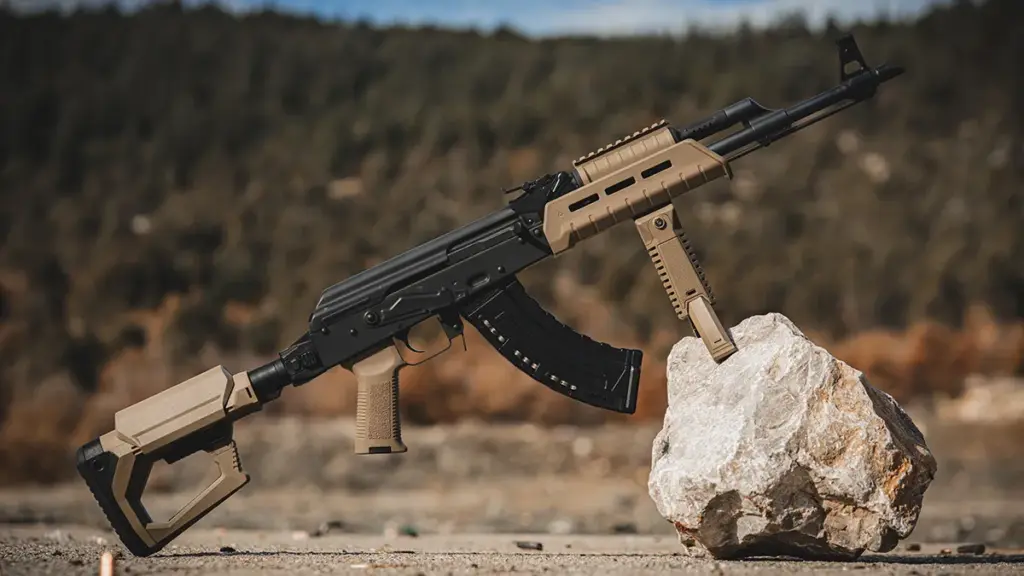
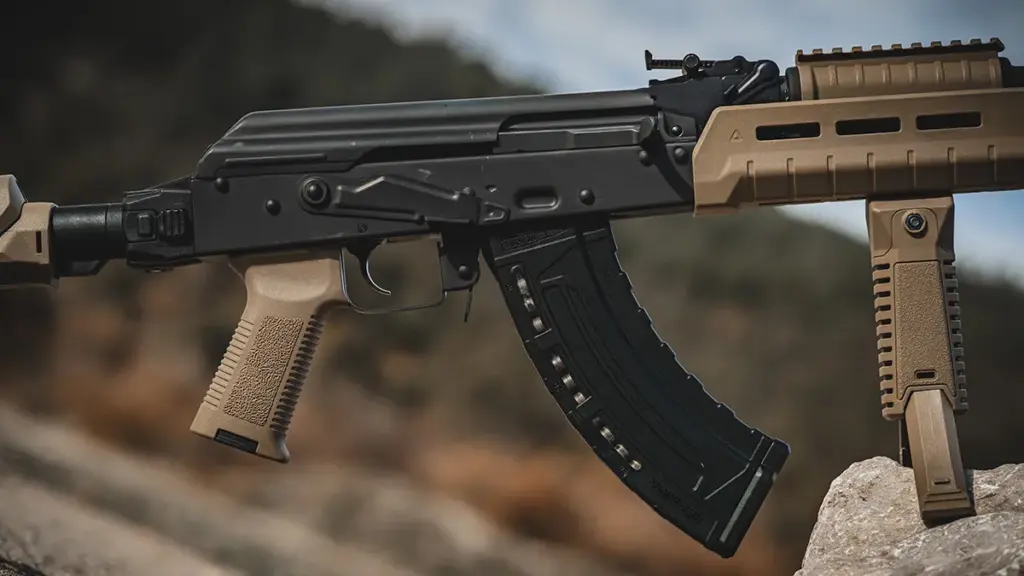
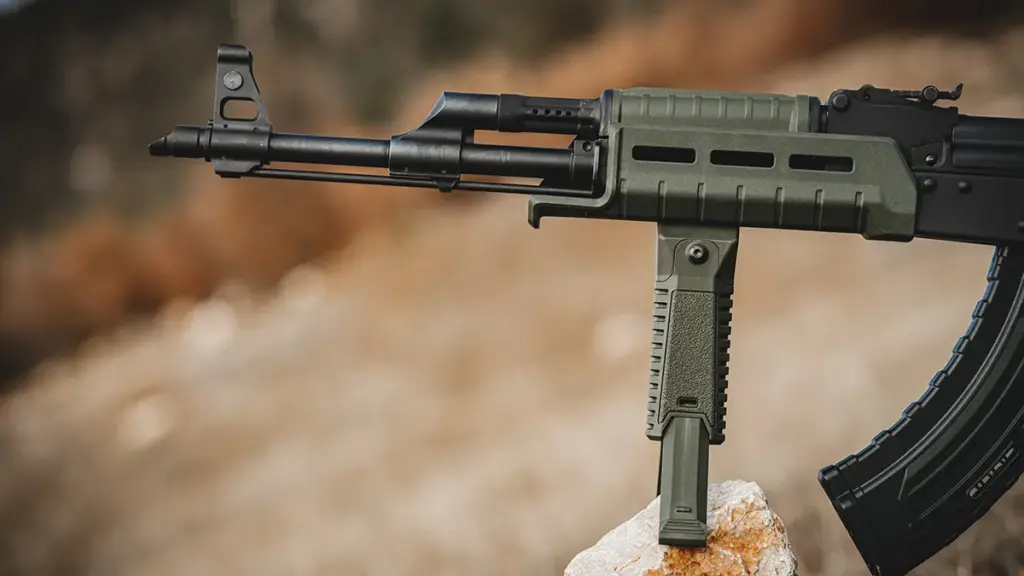
The M-LOK mounting standard is platform-agnostic by design. Our bipods are engineered and validated for use across all major weapon platforms equipped with M-LOK compatible handguards, including AR-15 platform variants, AK-47 and AK-74 platform variants with M-LOK aftermarket handguards, and other modern weapon systems that have adopted the M-LOK interface.
Cross-platform validation for bipods is more demanding than for lighter accessories such as foregrips or rail sections. The bipod must maintain structural integrity and stabilization performance across weapon systems with different weight profiles, recoil characteristics, and handguard geometries. A bipod validated on a lightweight AR-15 designated marksman rifle must also perform correctly on a heavier AK-pattern weapon with a different balance point, recoil impulse signature, and handguard profile. Our testing protocols verify bipod performance across these platform-specific variables, ensuring reliable stabilization regardless of the host weapon system.
OEM and Contract Manufacturing Capabilities
We serve as a contract manufacturing partner for organizations that require M-LOK bipods produced under their own brand identity or to program-specific configurations. Our OEM capabilities include private labeling, custom finish and color options, program-specific markings, modified height adjustment ranges, custom leg lengths, and feature configurations aligned with partner technical requirements.
The OEM engagement process begins with detailed specification review and technical alignment before production commitments. We work through acceptance criteria definition, material standard confirmation, dimensional tolerance agreements, performance test protocols, and documentation format requirements during the pre-production phase. This structured approach ensures that series production delivers bipods that meet partner specifications without integration issues or post-delivery qualification problems.
Our production infrastructure supports both qualification-phase quantities and sustained high-volume series production. Whether an OEM partnership involves a single bipod model or a complete weapon stabilization package integrated with other accessories such as buttstocks, sighting systems, and magazines, we scale production while maintaining consistent quality output and predictable delivery timelines.
B2B-Focused Manufacturing and Procurement Model
Institutional bipod procurement involves requirements that extend well beyond product selection. The procurement decision must account for supply chain reliability, batch-level documentation, revision control, and the manufacturer’s ability to sustain consistent supply over the lifecycle of a defense or law enforcement program. We have structured our B2B manufacturing model to address these institutional requirements comprehensively.
Institutional Procurement Process Support
We operate within procurement frameworks that include formal tenders, framework agreements, government-to-government supply contracts, and multi-year delivery schedules. Every production batch is accompanied by material certifications, dimensional inspection records, performance test results, and full traceability documentation. Our B2B customers can integrate this documentation directly into their compliance and audit workflows without additional qualification overhead.
Program-Level Coordination
M-LOK bipods are typically procured as part of precision rifle packages, designated marksman kits, or weapon system modernization programs. We coordinate production timing, documentation formats, packaging specifications, and logistics with system integrators and prime contractors to ensure that bipod supply aligns with the broader program timeline. Component delivery is managed as a program element integrated into the overall supply chain, not as a standalone accessory purchase.
Framework Agreements and Long-Term Supply Continuity
Defense and law enforcement programs require the ability to procure identical components years after initial qualification. We maintain tooling, material specifications, and process documentation for our M-LOK bipod product line so that repeat orders, even after significant time intervals, deliver the same fit, function, and quality baseline as the original qualification lot. For our B2B partners, this means program continuity without requalification cycles or specification drift.
Quality Control and Production Discipline
The performance and reliability of our M-LOK bipods depend directly on the quality control systems governing their production. We embed inspection and verification at every stage of the manufacturing process: incoming material verification for both aluminum alloys and polymer compounds, in-process dimensional checks during machining and molding, M-LOK interface geometry validation against reference standards, leg deployment mechanism functional testing, height adjustment indexing verification, and finished-product load testing on representative handguard samples across multiple platforms.
Batch consistency is monitored continuously across production runs. Every batch is traceable from raw material receipt through machining, assembly, inspection, and final packaging. Deployment cycle testing validates that leg deployment, lockup, height adjustment, and stowage functions perform within specification after repeated operational cycles. Mounting torque verification ensures that each bipod achieves the specified clamping force on the M-LOK interface without hardware deformation or slot damage. Quality records are maintained throughout the product lifecycle for reference, audit, and reorder purposes. If your program requires specific acceptance testing protocols, enhanced inspection criteria, or third-party inspection access, we accommodate these requirements as part of our standard operating procedures.


Why Choose Us as Your M-LOK Bipod Manufacturer
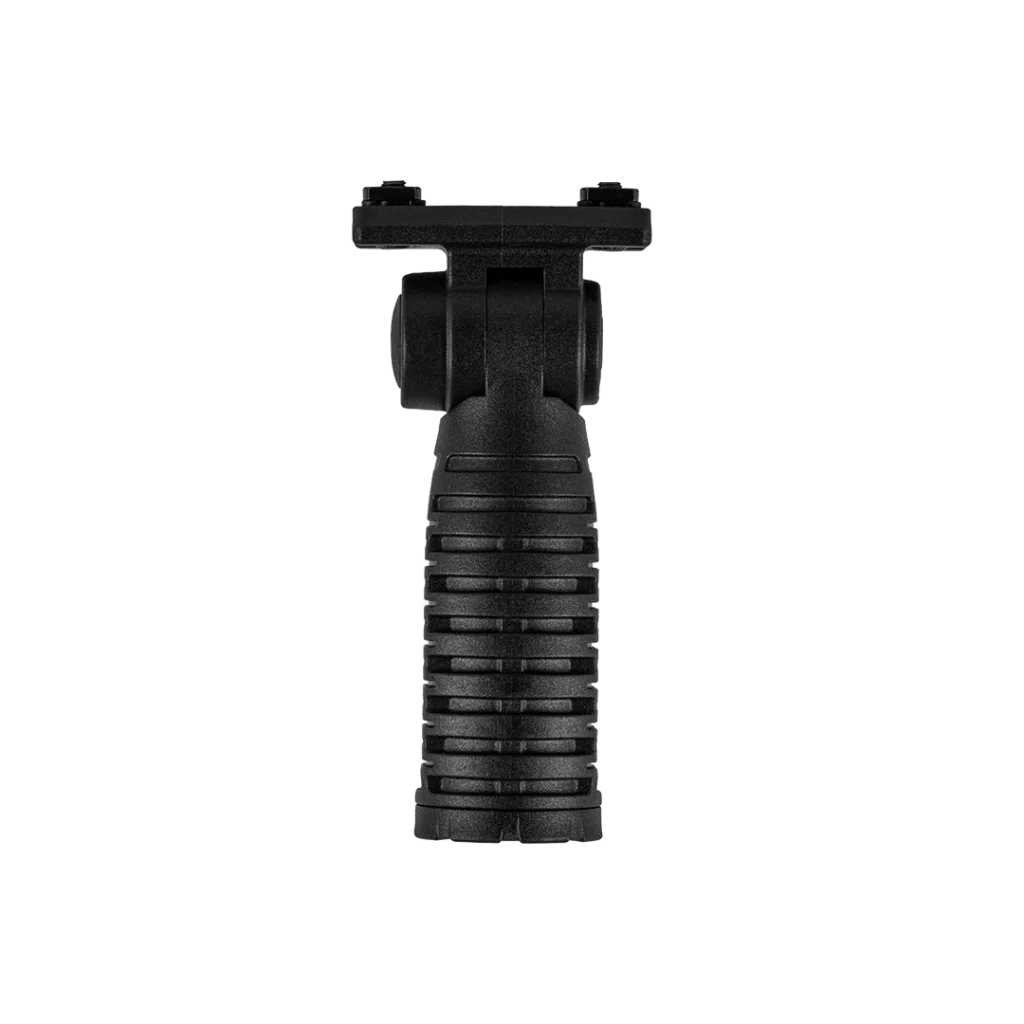
Selecting an M-LOK bipod manufacturer for institutional programs requires confidence in engineering precision, mechanical reliability, and long-term supply continuity. We deliver bipods manufactured with aerospace-grade aluminum alloy construction and reinforced polymer elements, precision M-LOK interface engineering with return-to-zero mounting performance, advanced leg deployment and height adjustment mechanisms, and cross-platform compatibility validated across AR-15, AK-47, and AK-74 weapon systems.
Our B2B partnership model is structured for the documentation, coordination, and supply continuity requirements of multi-year weapon system programs. Every bipod is produced under the same quality discipline, batch traceability, and institutional procurement support framework that defines our approach to defense manufacturing.
If your organization is evaluating a capable M-LOK bipod manufacturing partner for current or upcoming programs, we are prepared to engage through technical review, sample evaluation, and formal qualification processes. Our commitment is to deliver components that perform as specified, on schedule, and with full traceability, for every order and every program year.
Gallery
Contact Us for OEM and B2B Cooperation
If you are sourcing a qualified M-LOK bipod manufacturer for OEM production, contract manufacturing, or institutional procurement, contact us with your specifications.
Email: [email protected]
Email: [email protected]
WhatsApp: +90 537 467 65 18
Phone: +90 332 500 00 84
Contact Page